

How to Choose a Mattress for Side Sleepers: Local Guide

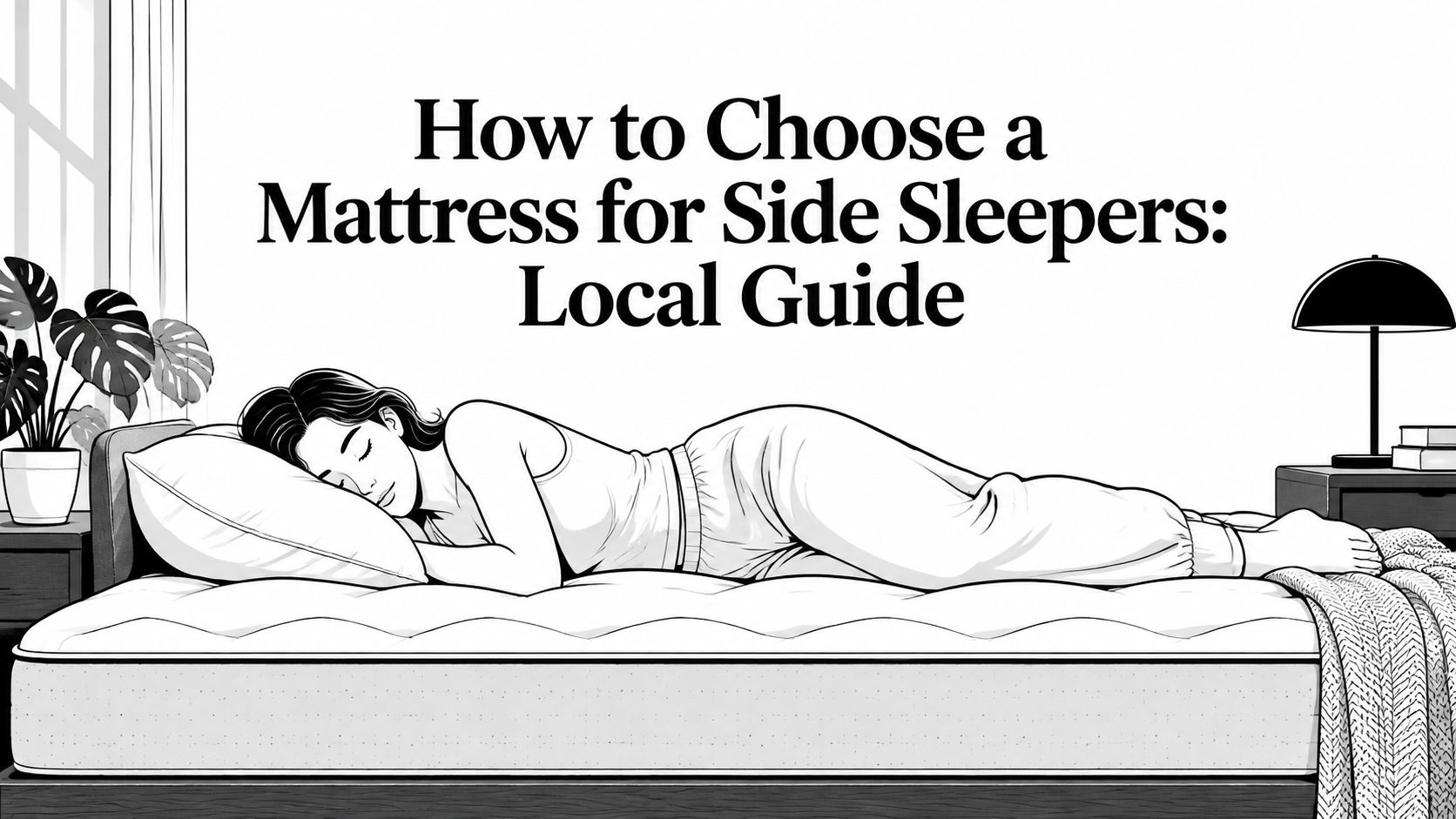
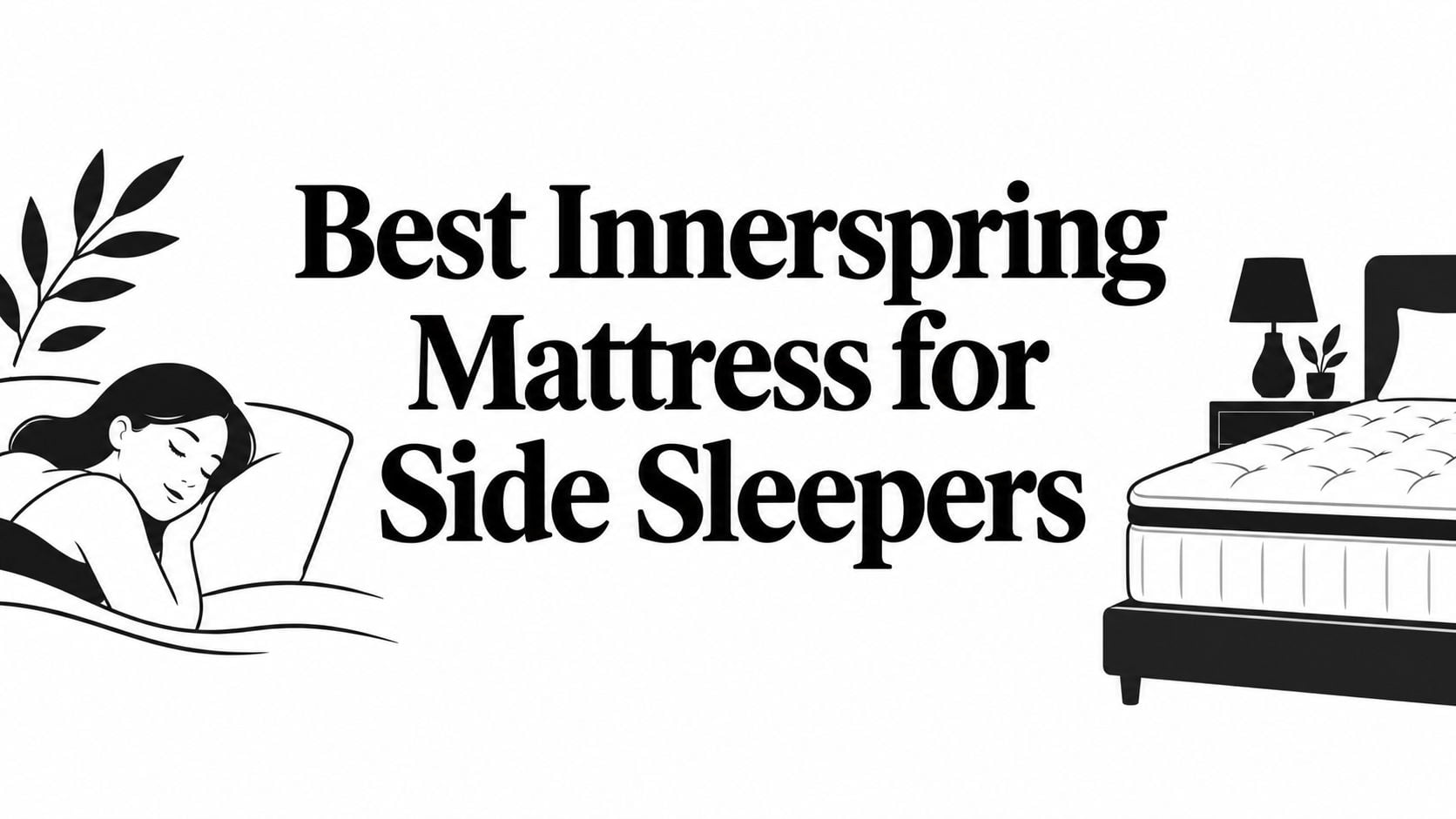
Side sleepers typically need a medium to medium-firm mattress, about 4 to 6 on a 10-point scale, that cushions the shoulders and hips while keeping the spine neutral. The right choice balances contouring with support, rather than choosing the softest bed available.
A familiar morning scene tells the story. You wake in Ruidoso's dry mountain air with a numb shoulder, an achy hip, or a neck that feels stiff before the day has started. The mattress may feel comfortable when first tested, yet fail after several hours in one position.
Learning how to choose a mattress for side sleepers means looking past brand labels and showroom impressions. The practical questions are simple: Does the surface relieve pressure? Does the support system keep the body aligned? Does the construction suit the sleeper's weight, shape, and preference for a cooler or more responsive feel?
Why Side Sleepers Wake Up in Pain
A side sleeper's shoulder and hip carry much of the body's load. Those contact points are smaller than the broad support area used during back sleeping, so a rigid surface can push directly against them. That pressure may contribute to soreness, numbness, or the familiar urge to change positions before morning.
The opposite problem is just as real. If the hip sinks too far while the shoulder remains raised, the spine bends rather than staying level. Proper alignment follows a straight line from the ears through the shoulders and hips to the knees, as described in this guide to side-sleeper spinal alignment.

Why the first few minutes can mislead
A quick showroom test often measures first impression, not overnight support. A mattress may feel pleasantly soft when someone sits down, then allow the hip to bottom out after sustained side lying. Another may seem supportive at first but create shoulder pressure once the sleeper remains in one position.
Independent pressure-relief guidance emphasizes that side sleepers generally benefit from deeper sinkage and thicker comfort systems, with testing summaries commonly identifying more than 2.3 inches of sinkage for better contouring and pressure redistribution (Sleep Foundation pressure-relief methodology).
Practical rule: A mattress should feel cushioning at the shoulder and hip, but stable beneath the waist and midsection.
Why this matters to so many sleepers
Side sleeping is widespread. A major survey cited in mattress research found that 85% of 105,000 sleepers reported sleeping on their side (Sleep Foundation's side-sleeping guidance). That makes side-sleeper design a central concern, not a specialty feature.
The right mattress won't erase every source of pain, and persistent discomfort deserves medical attention. Still, a surface that distributes pressure and supports neutral posture can remove a major physical obstacle to restful sleep. Shoppers can compare pressure-relieving constructions through Miller Waldrop's pressure-point relief guide.
Understanding Mattress Types for Side Sleepers
Mattress construction determines how the bed responds beneath the shoulder, hip, waist, and midsection. Side sleepers usually need a comfort layer that allows the broader shoulder and hip areas to settle in, paired with a support core that prevents the pelvis from dropping too far.
Memory foam
Memory foam contours closely to the body. That close conformity can reduce the hard, pushing sensation that causes shoulder and hip discomfort on rigid surfaces. It also limits motion transfer, which can help when one partner changes position.
The trade-off is responsiveness and temperature. Some memory foam designs can feel slower when a sleeper rolls over, and dense foam may retain heat. Ruidoso's mountain nights are cool, but a warm sleeper may still prefer a ventilated design or cooling gel technology within the comfort system.
Latex
Latex offers a more buoyant response. It cushions the body without the same deep, enveloping sensation associated with slower foams, so position changes generally feel easier.
Material choice can affect pressure distribution. In a controlled comparison, side-posture peak contact pressures on a latex mattress were 35.1% lower at the side torso and 28.2% lower at the side buttocks than on a polyurethane foam mattress (comparative mattress-material study). That result doesn't make every latex mattress right for every sleeper, but it shows why construction matters more than a simple “soft versus firm” label.
For a closer look at the feel difference, shoppers can review this latex mattress versus memory foam comparison.
Hybrids
Hybrid mattresses pair foam or latex comfort layers with a coil support system. The upper layers can cushion the shoulder and hip, while the coils add pushback, airflow, and easier movement.
This design often suits side sleepers who want pressure relief without feeling trapped. The important detail is the comfort system above the coils. A hybrid with a thin, rigid surface may still create pressure points, while a thicker, well-contoured layer can provide the needed transition into support.
| Construction | What it can do well | Main trade-off |
|---|---|---|
| Memory foam | Deep contouring and motion isolation | May feel warmer or slower to move on |
| Latex | Responsive pressure relief and buoyant support | May feel less enveloping |
| Hybrid | Combines cushioning, airflow, and coil support | Performance depends heavily on comfort-layer depth |
The useful comparison isn't which material wins in general. It's which construction gives the individual sleeper enough shoulder and hip cushioning while preserving a level spine.
Finding Your Ideal Firmness Level
For many side sleepers, the practical starting point is 4 to 6 on a 10-point firmness scale. This medium to medium-firm range usually offers enough give for the shoulders and hips without allowing the midsection to sag.
Body weight changes how a mattress feels. A lighter sleeper may not sink far enough into a medium surface to relieve shoulder pressure, while a heavier sleeper may compress the same surface more and need stronger support.
Firmness Guide by Body Weight
| Body Weight | Recommended Firmness | Reasoning |
|---|---|---|
| Under 150 pounds | 3 to 5 | A softer surface can provide enough give for the shoulder area and reduce rigid pressure. |
| Between 150 and 200 pounds | 4 to 6 | A middle range can balance contouring with stable support. |
| Over 200 pounds | 5 to 7 | A firmer build may help limit excessive sinkage while retaining adequate comfort layers. |
These weight-based ranges come from a 2026 side-sleeper guide, which also recommends at least 10 inches of total mattress thickness and a minimum of 3 inches of comfort-layer material for side sleepers. They're useful starting points, not rules that override personal testing.
Test alignment, not just softness
Lie fully on the side and check the body line. The ears, shoulders, hips, and knees should appear reasonably aligned rather than forming a visible curve through the waist.
Then pay attention to the contact points:
- Shoulder: It should settle into the comfort layer without feeling jammed upward.
- Hip: It should feel supported, not suspended on top or pressed against the base.
- Waist: The mattress should fill the space without forcing the spine sideways.
- Lower back: It shouldn't feel pulled into a hammock-like dip.
Testing summaries cited by sleep research found average sleep onset of about 7.7 minutes on a medium mattress, compared with 12.4 minutes on a soft mattress and 11.5 minutes on a firm mattress. Sleep efficiency averaged roughly 84% on the medium surface, versus about 76% to 77% on the soft and firm surfaces (Sleep Foundation mattress research).
Shoppers can use this mattress firmness selection guide before visiting a showroom, then confirm the choice through sustained side-lying.
The Local Advantage of Professional Consultation
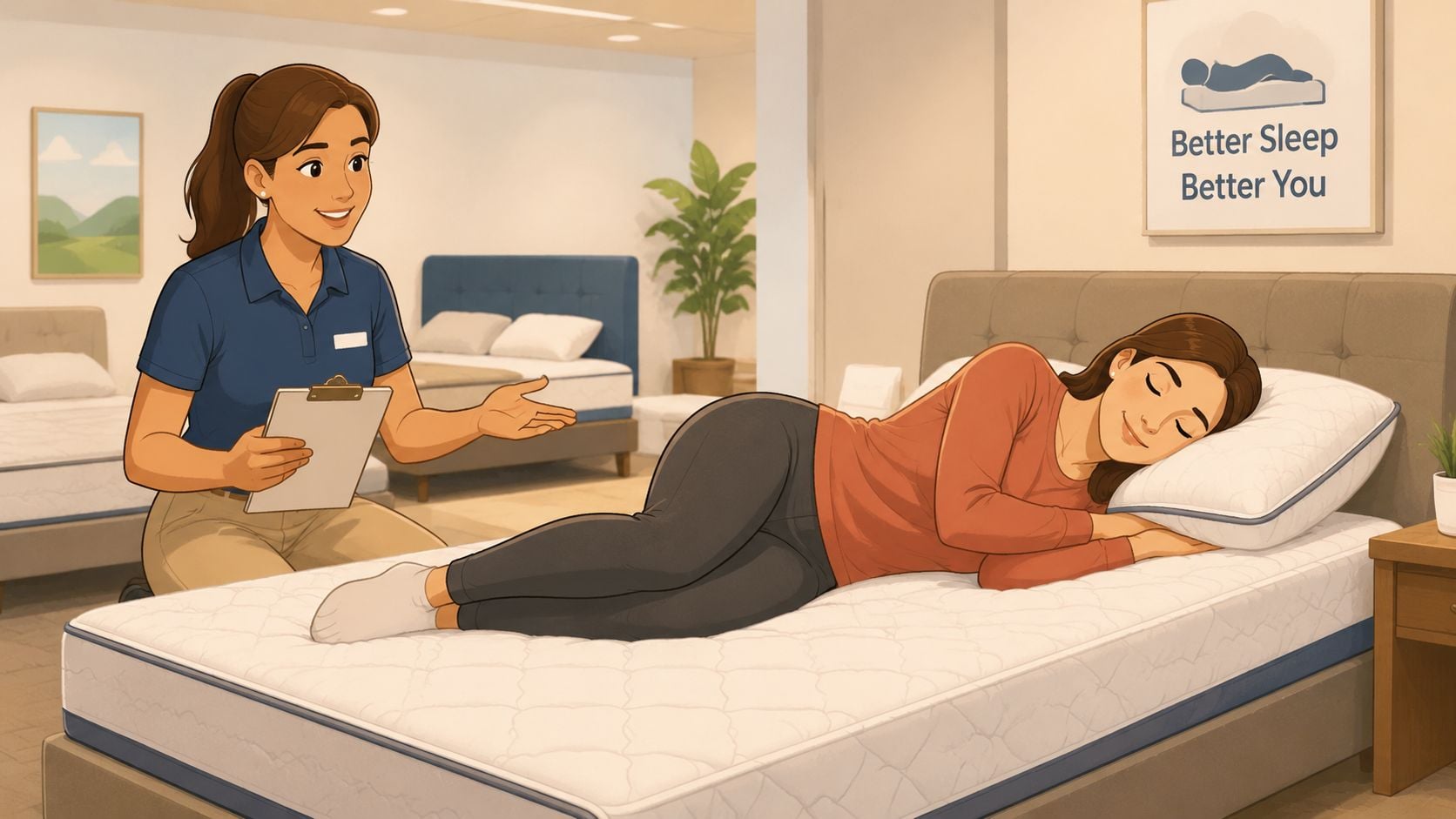
Online descriptions can explain materials, but they can't show whether a specific mattress supports a particular shoulder width, hip shape, or sleeping posture. Side sleepers need a physical assessment of pressure relief and alignment, not just a firmness label copied from a product page.
At Mattress Pro by Miller Waldrop, Sleep Pros can guide shoppers through that comparison based on body type, sleep position, comfort preference, and budget. A useful sleep consultation near Ruidoso gives the shopper a chance to test several constructions instead of guessing from specifications alone.
Mountain living changes the conversation
Ruidoso's dry mountain climate creates its own comfort considerations. A mattress that feels pleasant in a showroom may feel different in a bedroom where temperatures shift, bedding layers change, and sleepers recover from active days outdoors.
Residents across Alto and Lincoln County may also value easy movement, breathable materials, or a stable surface that supports recovery after hiking, skiing, yard work, or other physical activity. Those needs don't point to one universal mattress. They help narrow the construction and feel worth testing.
A local consultation turns “Which mattress is best?” into a more useful question: “Which mattress supports this body, in this sleep position, in this home?”
Service reduces purchase anxiety
Choosing a mattress can feel risky because comfort is personal. The Comfort Promise helps address the fear of choosing the wrong bed by giving shoppers added peace of mind during the decision.
The Low Price Promise supports budget confidence, while Full-Service Delivery with Professional Setup removes the burden of arranging and positioning a heavy mattress. A 70-year Miller Waldrop family legacy also means the conversation happens with a local business serving neighbors on and around Sudderth Drive, not an anonymous bed-in-a-box checkout page.
Making Your Mattress Purchase Decision
A good purchase starts before the showroom visit. Shoppers should identify the physical problem the new mattress needs to solve, then test each candidate against that problem rather than being distracted by decorative features or broad marketing language.
Build a short shopping brief
Write down the details that affect the decision:
- Primary position: Note whether side sleeping is consistent or mixed with back or stomach sleeping.
- Pressure points: Record whether the current mattress causes shoulder numbness, hip soreness, or waist discomfort.
- Temperature preference: Consider whether the sleeper wants the close feel of foam or the airflow of latex and hybrid construction.
- Budget: Set a realistic range, then ask about financing options across available brands.
- Partner needs: Include differences in body size, firmness preference, and movement.
The brief gives a Sleep Pro something concrete to work with. It also keeps the conversation focused on sleep rather than turning into an unfocused tour of every mattress in the building.
Test the mattress in the position that matters
Sitting on the edge tells very little about side-sleeper support. Lie down fully on the side and remain there for 10 to 15 minutes, allowing the comfort layers to respond over time.
Check the following:
- Shoulder pressure: The shoulder should settle without a sharp, hard sensation.
- Hip support: The hip should sink enough for comfort, but not drop until the body twists.
- Waist contact: The mattress should support the waist rather than leave a pronounced gap.
- Spinal line: The ears, shoulders, hips, and knees should remain reasonably aligned.
- Movement: Roll or reposition to see whether the surface allows movement without excessive effort.
Independent pressure-mapping guidance reinforces the need to evaluate relief as a measurable performance issue, not merely a soft first impression. One recent expert roundup required at least 3.5 out of 5 in pressure relief for side-sleeper selections.
Compare trusted constructions
Premium brands such as Tempur-Pedic, Sealy, Stearns & Foster, and Sherwood offer different approaches to foam, hybrid support, and comfort layering. The correct choice depends on the sleeper's response during testing, not on the prestige of the name.
A local option is Mattress Pro by Miller Waldrop, where shoppers can browse mattresses and review available purchase options through the mattress sales selection. The Comfort Promise matters here because it lowers the fear attached to a highly personal purchase, while professional setup helps ensure the selected mattress arrives ready for proper evaluation at home.
Your Path to Better Side-Sleeper Sleep
The decision becomes clearer when the process stays physical and practical. Start with a medium to medium-firm range, then adjust for body weight, preferred feel, and the amount of contouring needed at the shoulders and hips.
Before purchasing, a side sleeper should be able to answer these questions:
- Does the mattress cushion the shoulder without creating numbness?
- Does the hip settle without pulling the spine out of line?
- Does the waist receive enough support?
- Does the surface feel breathable and easy enough to move on?
- Does the construction provide a comfort layer and support core suited to the sleeper's body?
At the showroom, ask the Sleep Pros to explain what is creating the pressure relief, where the support comes from, and how the mattress may feel in Ruidoso's mountain climate. Then test more than one feel, remain on the side long enough to notice sustained pressure, and compare the result with the current mattress.
A well-chosen mattress can make mornings more comfortable and help the body recover from daily life in Ruidoso, Alto, and throughout Lincoln County. The key is not chasing the softest surface or the most expensive label. It's finding the balance that keeps pressure manageable and the spine neutral.
Visit Mattress Pro by Miller Waldrop at 2801 Sudderth Drive, Suite F, in Ruidoso to test pressure-relieving mattresses from Tempur-Pedic, Sealy, Stearns & Foster, Sherwood, and other available constructions. The local Sleep Pros can help side sleepers compare firmness, alignment, cooling needs, the Comfort Promise, Low Price Promise, and Full-Service Delivery with Professional Setup.