

Innerspring Mattress for Back Pain: Expert Sleep Advice

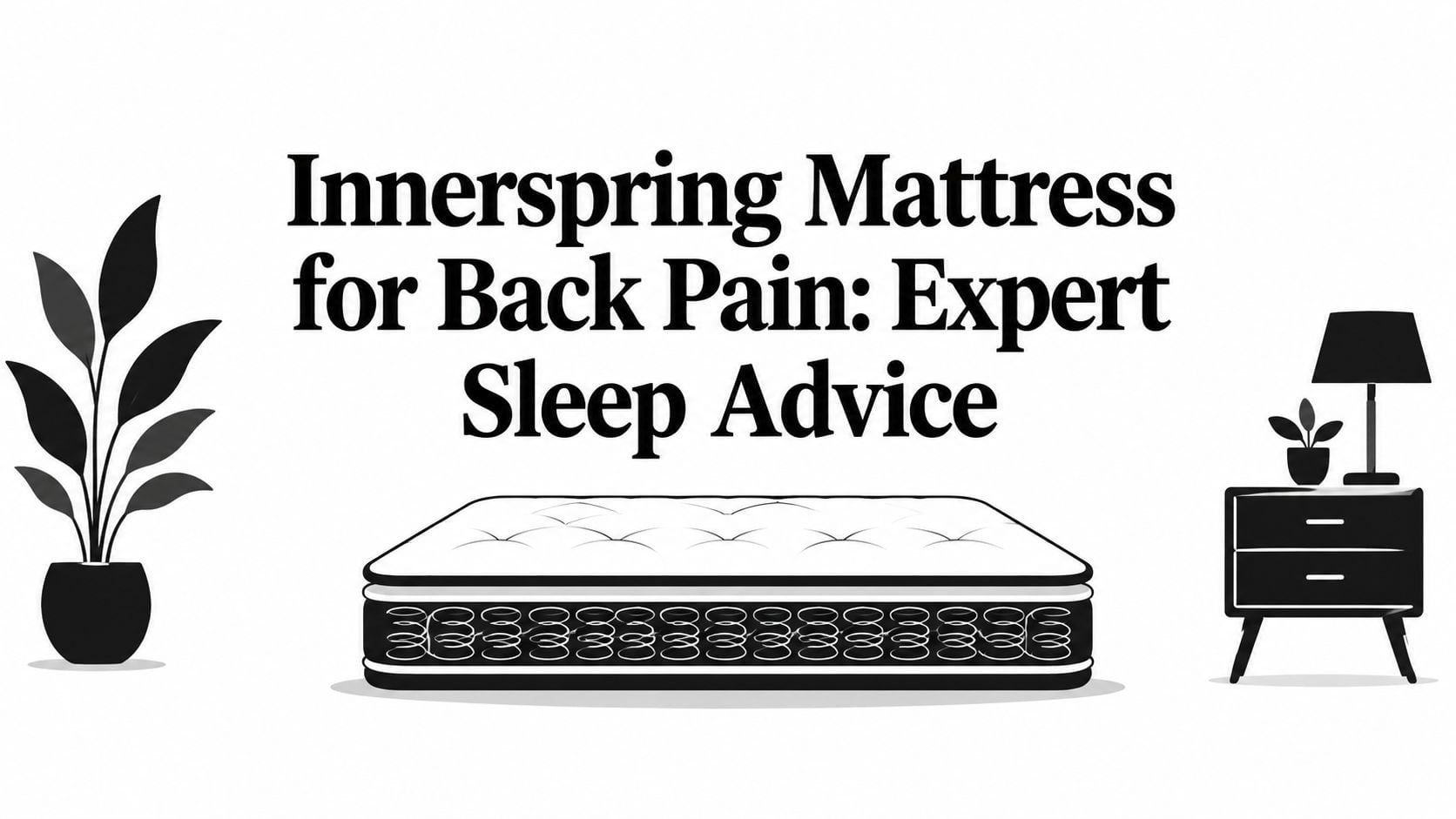
You wake before the alarm, roll toward the edge of the bed, and feel that familiar pull across your lower back. By the time your feet touch the floor, sleep feels less like recovery and more like work. An innerspring mattress for back pain can help, but only when its coil support, comfort layers, firmness, and long-term stability match the sleeper using it.
For families in Ruidoso, Alto, and across Lincoln County, mattress shopping also has a practical side. Dry mountain air, changing temperatures, partner movement, and the difficulty of judging a bed from a screen all affect the decision. Local guidance, hands-on testing, and a dependable Comfort Promise can remove much of the fear of choosing incorrectly.
Why Your Back Hurts in the Morning
A mattress can leave the spine in a poor position for hours without causing an obvious problem at bedtime. The trouble often appears after waking, when the muscles around the lower back have spent the night bracing against uneven support. If the midsection drops too far or the surface pushes hard against the hips and shoulders, the body may keep adjusting instead of settling into rest.
A common pattern looks like this:
- At bedtime: The mattress feels soft enough, so the sleeper assumes it's comfortable.
- During the night: The hips settle lower than the shoulders, or the waist receives too little support.
- By morning: Muscles feel tight, movement feels restricted, and the sleeper blames age, activity, or the previous day.
That pattern doesn't prove the mattress caused the pain, and persistent or severe symptoms deserve medical attention. It does show why a bed should be judged by how the body feels after sustained sleep, not only by the first few minutes in a showroom.
Support is not the same as hardness
A rigid mattress isn't automatically a supportive mattress. Support means the sleep surface holds the body in a reasonably neutral position, while comfort layers relieve pressure where the body contacts the bed. A quality innerspring design uses the coil unit as a responsive foundation, then adds cushioning so the sleeper doesn't feel the limits of bare metal support.
Guidance on innerspring construction emphasizes that evenly distributed coil support can help back and stomach sleepers maintain spinal alignment, but connected coils alone offer limited pressure relief and may transfer movement. The practical lesson is simple: a supportive coil core still needs appropriate cushioning. Sleep Foundation's innerspring guidance explains why both parts matter.
Practical rule: A mattress should feel stable beneath the pelvis and lower back without creating sharp pressure at the shoulders, hips, or ribs.
Sleepers who have ignored morning stiffness for years often wait for the discomfort to become severe before replacing the bed. That delay can make every mattress feel like a gamble. A useful first step is to compare the current bed with a properly fitted innerspring, hybrid, and pressure-relieving option while paying attention to alignment rather than surface softness alone. The local team also maintains guidance on why back pain can appear every morning.
The Evolution of Support Systems
For a couple sharing a bed, one person's turn or rising movement can disturb the other. That practical problem shaped the shift from broad, connected spring units to pocketed coils, where individual springs respond more separately beneath different parts of the body.
The development of mattress construction includes two useful milestones. In 1899, James Marshall introduced the first individually wrapped pocketed spring coil mattress, now commonly called Marshall coils. In 1925, Simmons developed and sold the first Beautyrest mattress with individually encased wire coils. It was described as the first mass-produced mattress to offer individualized support and motion separation. These dates appear in the history of mattress construction.
Connected coils and pocketed coils
The difference matters most for couples and sleepers who change position often.
- Connected spring systems move as a broader unit. They provide familiar bounce and firm response, but movement from one partner can travel farther across the surface.
- Pocketed coil systems place springs in separate fabric pockets. Each coil responds more independently, so the surface can follow body weight with less disturbance.
- Comfort layers above either system control the first contact and much of the pressure relief. Coils provide structural response, while foam, fiber, or other cushioning shape the feel.
Pocketed coils do not guarantee comfort. A mattress that is too firm can still compress the shoulders and hips. One with a very thick or soft comfort layer may allow the body to sink too far, reducing the lifted support many back-pain sleepers want.
The evolution from linked springs to individually wrapped coils reflects a move toward more localized response. A couple may share a bed with less whole-surface disruption, while a single sleeper can receive different levels of give beneath the shoulders, waist, and hips.
For a purchase in Ruidoso, those distinctions are only part of the decision. The coil design must suit the sleeper's body, sleeping habits, and preferred feel. A local trial through the Comfort Promise gives shoppers a practical way to test that response at home, including in the high-altitude climate, rather than judging the mattress during a brief showroom visit. Readers can also explore the story of mattresses from straw mats to memory foam for broader bedding history.
How Coils Impact Spinal Alignment
Spinal alignment is easiest to understand by looking at the body from the side. The mattress should support the heavier areas without allowing the pelvis or abdomen to sink so far that the lower back loses its natural position. At the same time, the surface must give enough at the shoulders and hips for the body to rest without concentrated pressure.
That balance changes with sleeping position.
Back sleepers
A back sleeper usually needs a surface that supports the pelvis and lumbar area while cushioning the natural curve of the lower back. A mattress that feels soft at first may still allow the midsection to settle too far. A firmer surface may prevent that sinkage, but excessive firmness can leave a gap beneath the waist or create pressure around the shoulder blades.
A responsive coil unit can help the sleeper feel held up rather than swallowed by the bed. The top layers should soften the contact points without allowing the body to form a deep trough.
Side sleepers
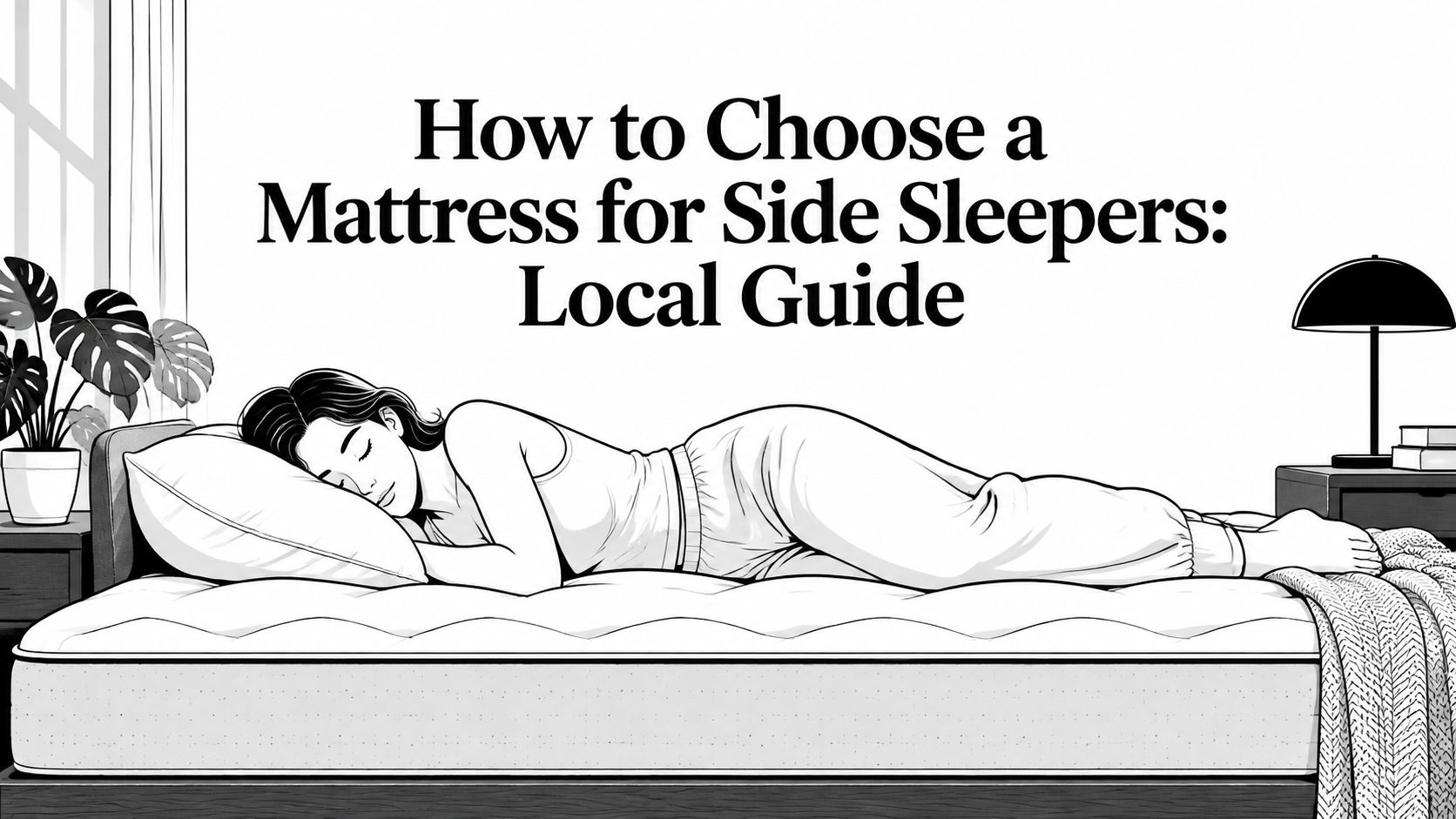
Side sleepers need more contouring because the shoulders and hips extend farther from the waist. A bare or lightly cushioned coil system may feel stable underneath but still create pressure where the body is widest. For this reason, a side sleeper with back discomfort may prefer an innerspring with a more forgiving comfort layer or a hybrid construction that combines coils with pressure-relieving foam.
The spine should remain level from the neck through the pelvis. If the mattress is too firm, the shoulder may stay raised and push the spine sideways. If it's too soft, the waist and pelvis may drop out of line.
Stomach sleepers and combination sleepers
Stomach sleepers generally need stronger resistance beneath the hips and abdomen. Excessive sinkage in that region can place the lower back in an uncomfortable extended position. A medium-firm to firm feel often deserves consideration, but the final choice still depends on body mass and the mattress's comfort system.
Combination sleepers need a responsive surface that makes turning easy. Slow, deep contouring can feel comfortable in one position yet make movement harder during the night. Pocketed coils often provide the pushback needed for repositioning, while a modest comfort layer prevents the surface from feeling harsh.
| Sleeper pattern | What to look for | What can go wrong |
|---|---|---|
| Back sleeping | Lift under the pelvis and balanced lumbar cushioning | The midsection sinks and strains alignment |
| Side sleeping | Pressure relief at the shoulders and hips | A hard surface creates concentrated pressure |
| Stomach sleeping | Stronger support beneath the hips | The abdomen drops and overextends the lower back |
| Combination sleeping | Responsive coils and manageable contouring | Deep sinkage makes turning difficult |
Body mass changes how far a sleeper compresses the same mattress. Average-to-heavier sleepers generally need medium-firm to firm support to limit excessive sinkage, while lighter back sleepers may prefer medium-plus cushioning. Those selection principles are detailed in the pocket-coil mattress collection, where the focus remains on matching coil response with the sleeper rather than chasing a universal firmness label.
Choosing the Right Firmness Level
The most useful starting point for back pain is often medium-firm, not because every sleeper needs the same feel, but because it can balance lift with cushioning. A controlled study of 59 adults with minor musculoskeletal sleep-related pain compared a new medium-firm bedding system with each participant's own bed during a 28-day baseline and found that average back pain fell by about 48% while sleep quality improved by about 55%. The results are reported in the controlled bedding study.
That evidence doesn't turn medium-firm into a prescription. It supports a practical showroom starting point, especially for people whose current mattress feels either saggy or board-like.
Use position as the first filter
Start with the position used for most of the night, then adjust for body shape and comfort preference.
- Back sleepers should check the waist and pelvis. The lower back shouldn't feel unsupported, but the hips shouldn't sink into a pocket that is difficult to escape.
- Side sleepers should check the shoulders and hips. The surface needs enough give to reduce pressure while the coil unit keeps the torso from collapsing toward the center.
- Stomach sleepers should check the hip area. A mattress that lets the pelvis drop too far is usually a poor match for this position.
- Combination sleepers should test movement. Roll from side to back and back again. The mattress should respond without trapping the body.
A showroom test should last long enough for the body to settle. The sleeper should lie in the usual position, relax the shoulders, and ask whether the hips feel supported or suspended above a deep depression.
Check the features that control firmness
Firmness labels vary between manufacturers, so physical response matters more than the word printed on the tag. A useful comparison includes:
- Zoned support: Firmer support through the center can help resist sinkage around the heavier midsection.
- Comfort depth: Cushioning should reduce shoulder and hip pressure without erasing the coil system's lift.
- Edge structure: A stable perimeter lets the sleeper use the full width of the bed and makes sitting down easier.
- Partner response: Couples should test whether movement travels across the surface.
Showroom test: Lie down as usual, stay still, then change positions. A good candidate should feel supportive in rest and responsive in motion.
If a mattress feels comfortable only while sitting on the edge, it hasn't been tested properly. A careful comparison at Mattress Pro by Miller Waldrop can include Tempur-Pedic, Sealy, Stearns & Foster, and Sherwood options, with the mattress firmness guide available for shoppers who want to continue evaluating choices at home.
Essential Features for Back Pain Relief
A good innerspring mattress has two jobs. The coil unit should provide dependable support, and the upper layers should cushion the areas that would otherwise press directly into the spring structure. A mattress that excels at only one of those jobs may feel impressive for a short test and disappointing after a full night.
Look beyond the coil unit
The following features deserve attention:
- Balanced comfort layers: Foam, fiber, or other padding should cushion the shoulders, hips, and lower back without creating a deep hammock.
- Zoned support: A firmer central zone can provide extra resistance where the pelvis and midsection place more load.
- Strong edge support: A reinforced perimeter helps when sitting down, getting up, or using the outer sleeping area.
- Breathable construction: Open space around coils allows air to move through the mattress more readily than dense, tightly packed materials.
- Stable workmanship: Layers should stay in place rather than shifting into ridges or soft spots.
The National Council on Aging's guidance identifies the combination of sturdy coils, cushioning comfort layers, zoned lower-back support, and strong edges as important considerations for people shopping with back pain. Those recommendations appear in its innerspring mattress guidance.
Match the mattress to Ruidoso nights
Ruidoso's dry mountain air can feel cool, but a warm sleeper may still overheat when a mattress holds body heat close to the surface. Coil airflow can help, although the cover and comfort materials also influence the final feel. A sleeper who wakes hot should compare a traditional innerspring with a hybrid or cooling memory-foam design rather than assuming firmness alone will solve the problem.
Memory foam works by responding to heat and pressure, creating close contouring that can relieve pressure points and limit motion. Cooling gel technology and more open foam structures can improve airflow, but they don't make every foam mattress feel cool. A hybrid adds a coil base beneath foam, which may provide a useful middle ground between responsive support, contouring, and airflow.
The brands carried by Mattress Pro by Miller Waldrop include Tempur-Pedic, Sealy, Stearns & Foster, and Sherwood, giving local shoppers several construction types to compare. A broader explanation of pressure relief is available in the guide to pressure-relieving mattress types.
Durability and Long-Term Pain Management
A mattress can feel supportive in the showroom yet become a poor choice for back pain after months of use. Body impressions, weakened spring tension, and compressed comfort layers may change the position of the hips and waist. Long-term comfort depends on construction quality, correct setup, and care, not only on choosing an innerspring label.
A 2026 review in the Journal of Orthopaedic Science associated medium-firm support with better pressure distribution, improved sleep quality, less morning stiffness, and lower low back pain. The review also reported that spring mattresses appeared more favorable for pain reduction than sponge mattresses. Read the academic reference on mattress impact and back pain alongside those findings, while treating them as guidance rather than a guarantee for every sleeper.
Long-term use can still change the feel of a quality innerspring. Body impressions may form, and prolonged compression can reduce the support available under the pelvis and waist. If posture changes during sleep, morning pain and stiffness may follow.
What to inspect before buying
A shopper cannot predict every future change, but a hands-on check can reveal whether a mattress deserves serious consideration.
- Surface recovery: After lying down, check how quickly the comfort layers return to shape.
- Center support: Notice whether the pelvis drops farther than the shoulders and legs.
- Edge stability: Sit near the edge and stand. Excessive collapse may indicate limited perimeter support.
- Movement response: Roll and rise. The bed should respond without making you fight your way out.
- Layer integrity: Press and move across the surface to identify soft spots or uneven transitions.
High-quality coils are defined by how well the spring system resists fatigue and works with comfort materials that age evenly. Marketing terms alone cannot show that.
Care protects the original feel
The foundation must support the mattress correctly, and the bed should be handled according to the manufacturer's care instructions. Rotation may suit some models, but not every mattress should be flipped or rotated. Confirm the correct method with local staff instead of applying one rule to every bed.
Buying the wrong mattress is a reasonable concern, especially when morning pain already affects daily life. The Comfort Promise gives local shoppers a way to seek help after purchase if the feel is not working as expected. Along with the Low Price Promise and Full-Service Delivery with Professional Setup, that support reduces guesswork when choosing a bed for long-term comfort in Ruidoso's high-altitude climate.
Try Before You Buy in Ruidoso
No product page can show whether a mattress supports one person's pelvis while easing pressure at another person's shoulders. A hands-on test reveals the details that matter: how easily the sleeper turns, whether the edge holds, whether the surface feels breathable, and whether both partners can settle without disturbing each other.
A useful consultation begins with questions, not a sales pitch:
- Sleep position: Which position starts the night, and which position appears at waking?
- Pain pattern: Does discomfort show up in the lower back, shoulders, hips, or more than one area?
- Current mattress: Does the existing bed feel too soft, too firm, uneven, or hot?
- Household needs: Does a partner move often, or does someone need strong edge support?
- Budget and logistics: Is financing needed, and will the old mattress require removal?
A local fitting has practical value
Mattress Pro by Miller Waldrop serves Ruidoso and Lincoln County from its showroom on Sudderth Drive. Its Sleep Pros use a one-on-one approach to compare mattresses by body type, sleep position, comfort preference, and budget rather than assigning every back-pain shopper the same firmness.
The store's 70-year family legacy is centered on local service and sleep. That matters when a mattress must be delivered through mountain roads, positioned correctly at home, and evaluated after the first nights of real use. Full-Service Delivery with Professional Setup removes much of the physical burden, while the Low Price Promise helps budget-minded shoppers compare with greater confidence.
Bring the right questions
A shopper doesn't need to memorize coil terminology. The most useful questions are direct:
- Will this mattress keep the midsection from sinking too far?
- Does the comfort layer protect the shoulders and hips?
- How does this option compare with a hybrid or memory-foam feel?
- Is the edge stable enough for getting in and out of bed?
- What does the Comfort Promise cover if the feel isn't right?
Tempur-Pedic, Sealy, Stearns & Foster, and Sherwood provide different approaches to support and comfort, so comparison is more useful than loyalty to one construction. Local Sleep Pros can help narrow the choices without turning back pain into a high-pressure sale.
The right innerspring mattress for back pain should leave the sleeper feeling supported, not trapped, overheated, or pressured at the hips and shoulders. A careful fitting in Ruidoso gives the body a chance to answer the question before the mattress enters the bedroom.
Mattress Pro by Miller Waldrop offers in-person mattress comparisons, the Comfort Promise, the Low Price Promise, and Full-Service Delivery with Professional Setup for shoppers seeking better back support. Visit Mattress Pro by Miller Waldrop at 2801 Sudderth Drive, Suite F, in Ruidoso, Monday through Saturday, and let the Sleep Pros help match an innerspring, hybrid, or pressure-relieving mattress to how you sleep.