

Sherwood Mattress Reviews: Scores, Models and Buying Tips


You've read four Sherwood reviews this week and you're less sure than when you started. One calls it the best bed in the house. Another says the corners collapsed inside a year. Both could be true, and neither tells you much about the specific mattress you're about to test on a Saturday morning in Ruidoso.
Sherwood isn't one bed. It's a badge on traditional innersprings, pocketed-coil hybrids, memory foam and latex hybrids, sold through retailers who each set their own trial and service terms. The brand is the wrong unit of analysis. The model, the coil architecture and the written warranty terms are what decide whether you sleep well for the next eight years.
What Independent Sherwood Scores Actually Show
GoodBed places Sherwood at 79 out of 100 across 422 owner ratings, with cooling its strongest category. Its category scores are cooling 70, sleep quality 68, pressure relief 68, back support 64, value 62, and warranty service 48. GoodBed also estimates an average mattress lifespan of 7.6 years. These figures describe owner reports across Sherwood models, not a guarantee for the bed you are considering.
A smaller set of customer reviews gives a higher rating: Winstons Beds lists a 5.00 out of 5 rating on its Sherwood product page, based on 11 ratings and reviews. That result reflects a different sample, so the two scores should not be treated as directly comparable.
| Source | Overall score | Notable detail | Sample size |
|---|---|---|---|
| GoodBed's Sherwood Bedding owner reviews | 79/100 | Cooling 70, sleep quality 68, pressure relief 68, back support 64, value 62, warranty service 48 | 422 owner ratings |
| Winstons Beds | 5.00/5 | Customer rating on The Sherwood product page | 11 ratings and reviews |
| SlumberSearch review | 7.8/10 | Price range $600 to $2,400 | Not published on the review page |
Reading the sample honestly
These are customer reviews, not laboratory durability tests. People who choose to post may be especially pleased or dissatisfied, so the results do not represent every owner. GoodBed's larger sample provides a clearer screening signal than a handful of testimonials, but it cannot predict how a particular Sherwood model will suit you.
The 48 for warranty service stands out because it is the lowest category score and because warranty disputes can matter long after a mattress feels comfortable in the store. Before buying, check the written warranty for what counts as a defect, how a claim is handled, and which terms apply to the specific model. A good initial feel does not settle those questions.
Cooling is a strength in GoodBed's ratings, but an overall category score cannot promise that a mattress will sleep cool for you. Ruidoso's mountain climate may make heat less of a concern on cooler nights, yet warm sleepers can still feel uncomfortable. Your comfort depends on the individual bed as well as your own sleep needs.
Use these scores to compare Sherwood models, then judge construction, firmness fit and written warranty terms before choosing.
Sherwood Construction Types and Who Each Suits
The Sherwood name covers at least four distinct constructions, and the difference between them matters more than the badge on the foot of the bed.
Sherwood's U.S. line runs through traditional innerspring, pocketed-coil hybrid, memory foam, and latex hybrid. Firmness labels commonly span plush, medium, and cushion-firm. Coil count and coil type change how a bed behaves far more than the brand name on the border, so two Sherwood queens can feel like different products once you lie down.
Connected coils and pocketed coils feel nothing alike
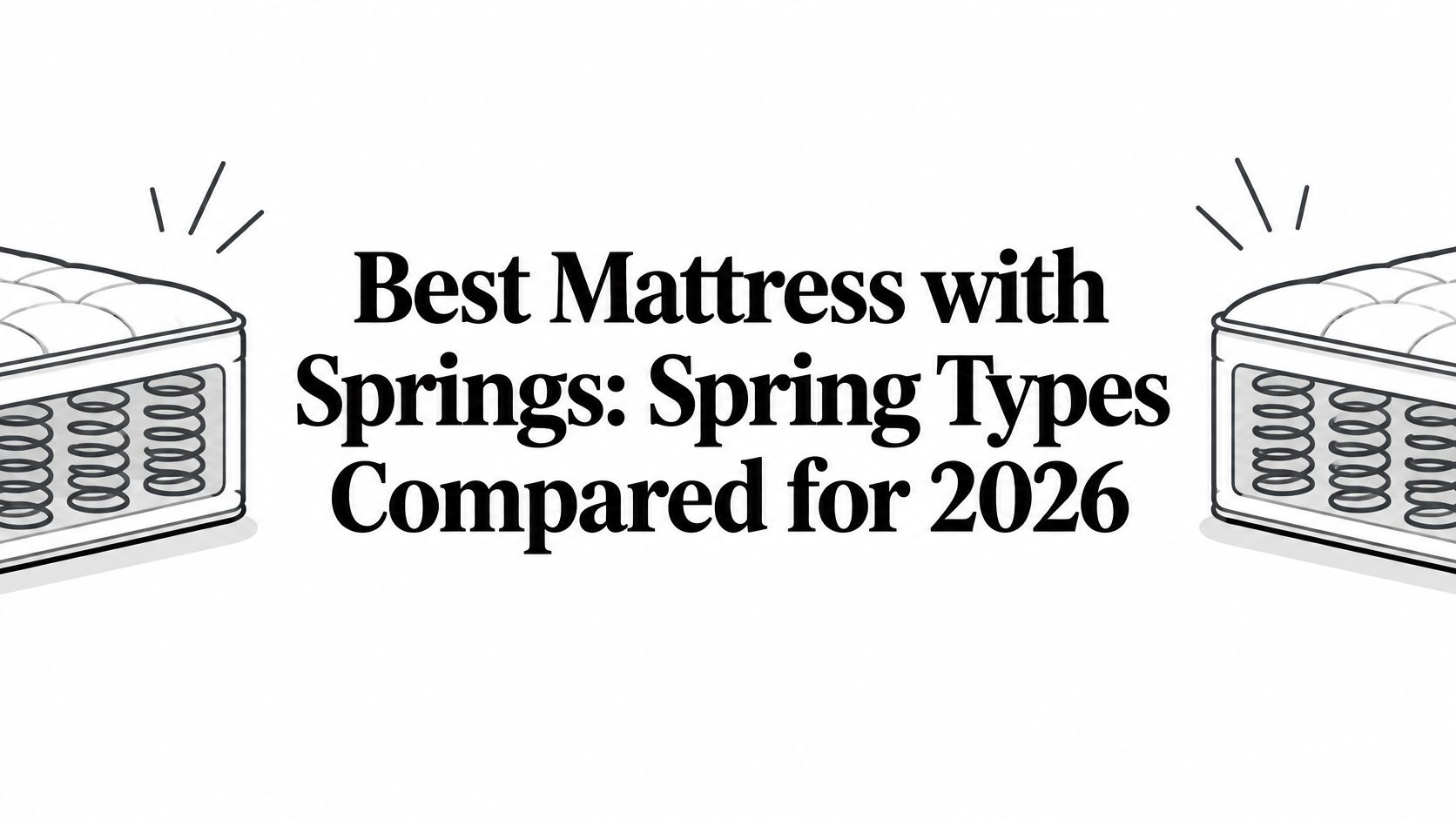
A conventional connected-coil innerspring ties the springs into one linked unit. Press down anywhere and the surface reacts across a wide area. That is the buoyant, springy, slightly bouncy feel some people want and others cannot sleep through.
Pocketed coils sit in separate fabric sleeves. Each coil compresses mainly under the weight directly above it. A hip can sink without pulling the shoulder down with it, and a partner rolling over sends less movement across the bed. Coils packed closer together generally contour in smaller steps and spread weight more evenly. The trade-off is feel, not a better badge: linked coils stay lively and easy to shift on, while pocketed coils trade some of that bounce for quieter motion.
What each family feels like under a sleeper
- Traditional innerspring: responsive and airy, with an ease of repositioning that heavier sleepers appreciate, but more motion transfer for couples.
- Pocketed-coil hybrid: the middle ground, contouring at the shoulders and hips while staying easy to roll over on.
- Memory foam: slow, deep contouring that relieves pressure well and sleeps warmer, with the sinking sensation some people dislike.
- Latex hybrid: quick bounce back, a cooler surface than foam, and a firmer feel under the same firmness label.
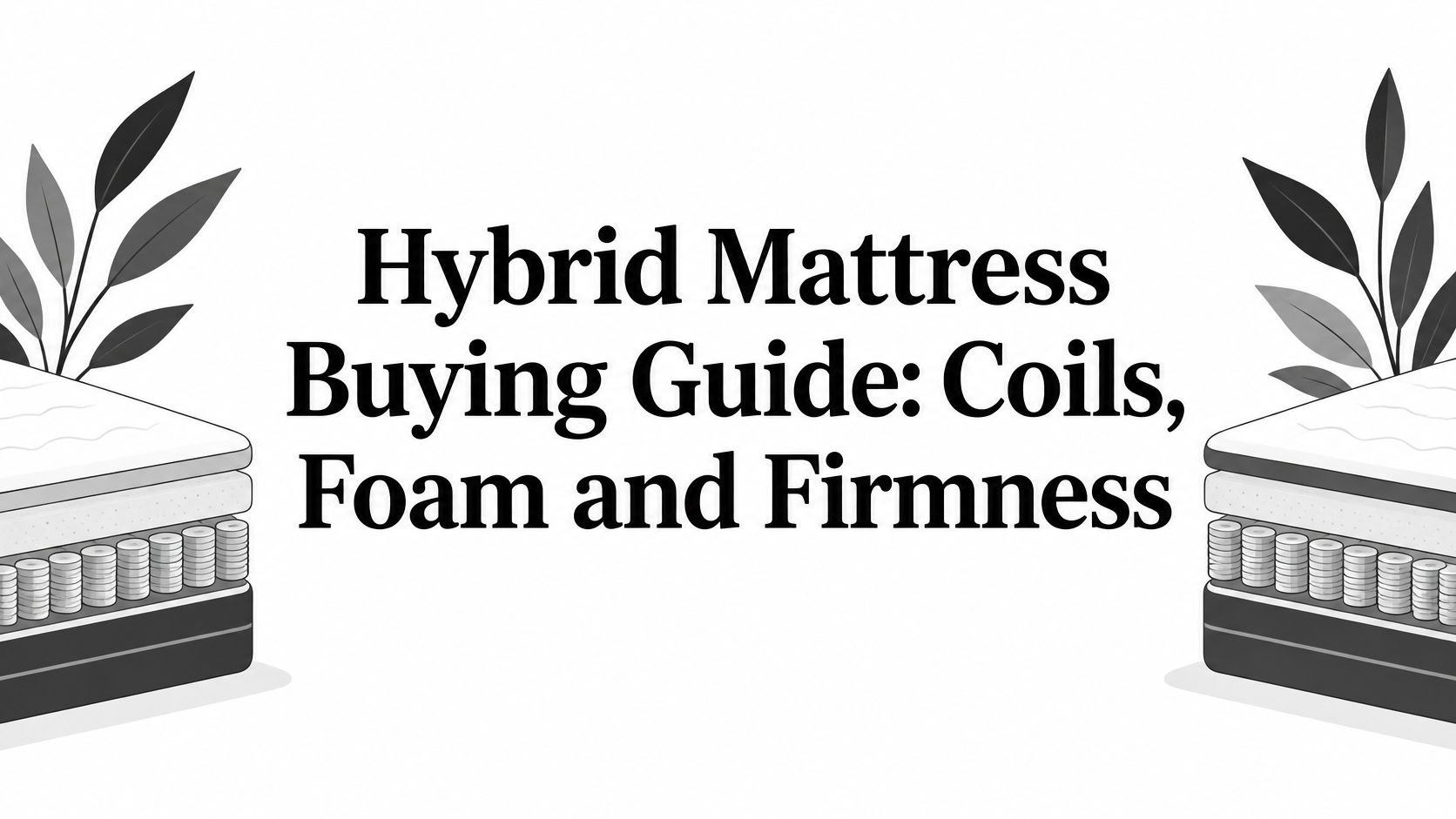
The comfort layer does the pressure work. Foam or latex above the coils cushions shoulders and hips, and the thickness of that layer decides whether you feel like you are resting on the bed or in it. For a fuller anatomy of how these layers stack, the hybrid mattress buying guide breaks down each component.
The retailer variable
What is not standardized is everything around the mattress. Warranty administration and any sleep-trial terms typically depend on the retailer, not the brand. Two neighbors can buy the same model and get different service, so read the written terms on that specific bed before you treat the name as a promise.
At the store, the Sherwood brand filter on the shop page currently shows 12 mattress results, which tells you how wide the family tree really is. Mattress Pro carries Sherwood alongside Sealy, Tempur-Pedic, and Stearns & Foster, so comparing coil types happens in one room instead of across three websites.
Couples should test motion isolation and center support first. Heavier and more active sleepers should press into the lumbar zone and sit on the edge to check compression. Both tests take two minutes and settle arguments that reviews cannot.
Firmness, Sleep Position and Pressure Relief
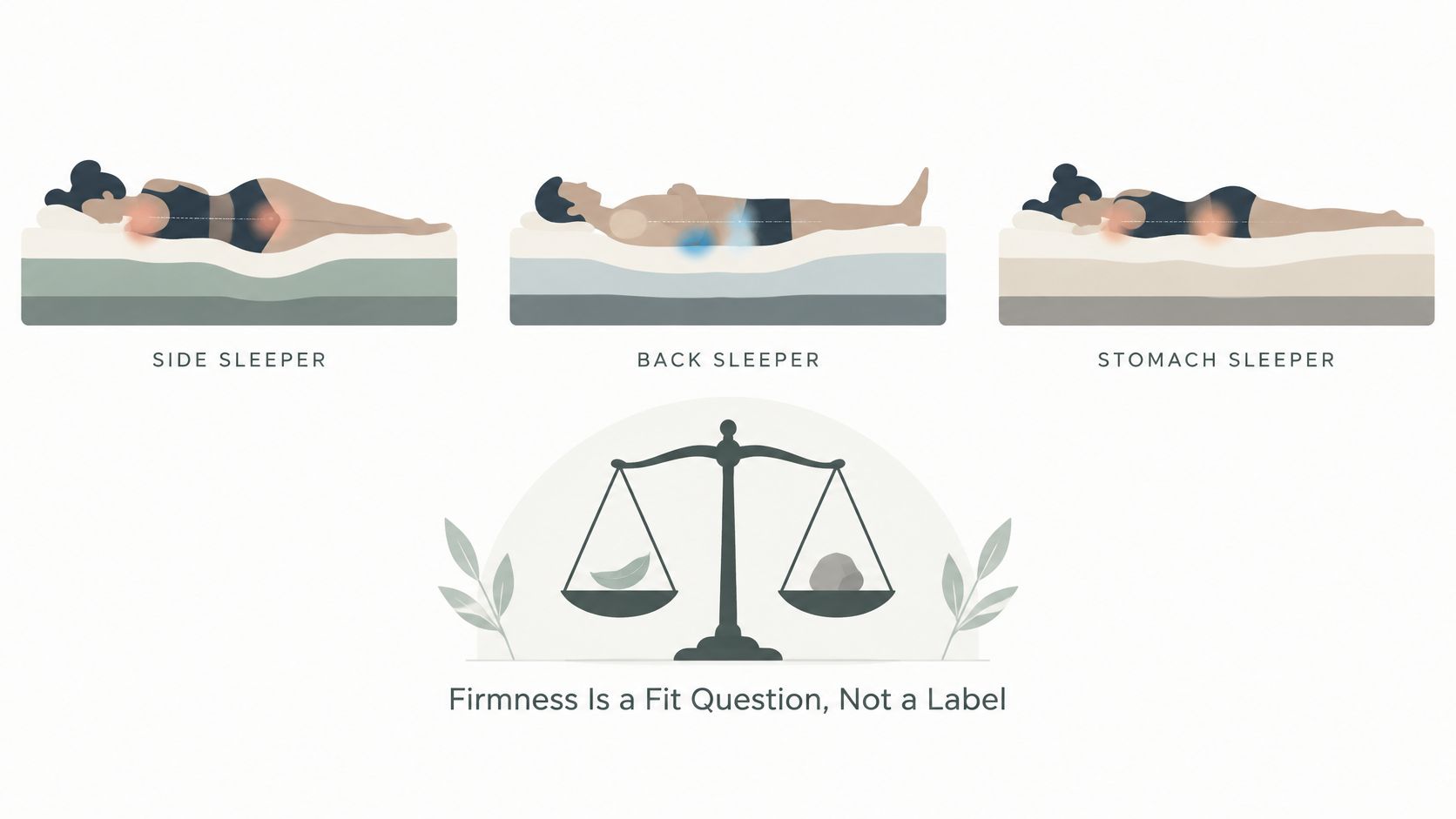
A Sherwood mattress can feel supportive in one bedroom and uncomfortable in another. Construction and firmness need to match your sleep position, body shape and pressure needs, so judge the feel on the bed rather than by the model name alone.
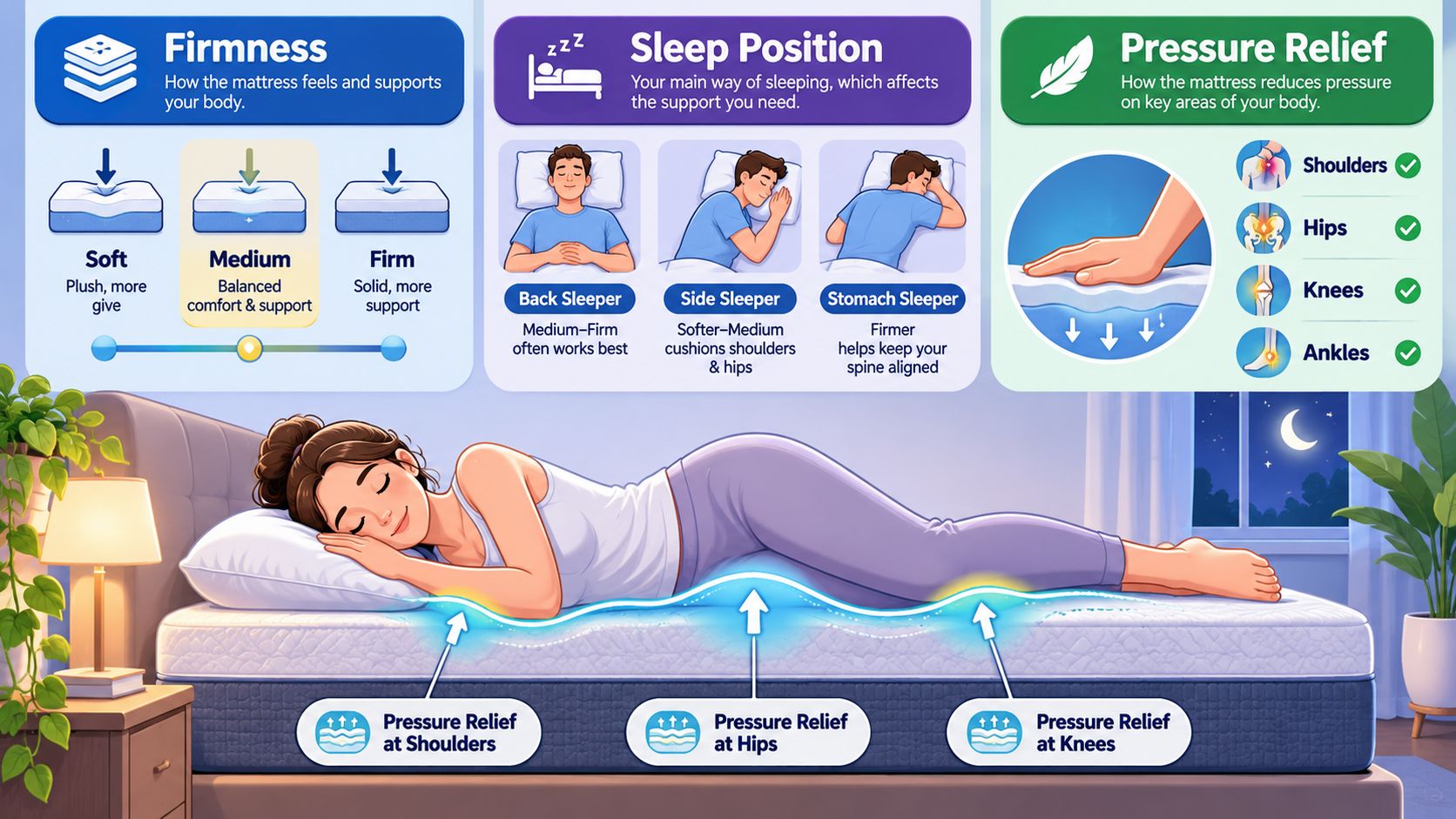
A systematic review of 39 studies on mattress firmness and sleep found that medium-firm surfaces generally support comfort, sleep quality and spinal alignment. A separate body-shape study of 59 participants found that heavier people tended to reach more neutral alignment on firmer surfaces, lighter people on softer ones, and taller participants on medium surfaces.
A randomized, double-blind, multicenter trial of 313 adults with chronic low-back pain compared firm mattresses rated 2.3 on the European Committee for Standardisation scale with medium-firm mattresses rated 5.6. After 90 days, the medium-firm group reported better outcomes for pain in bed, pain on rising and disability. The odds ratio was 2.36 for improved pain in bed and 2.10 for improved disability.
Why the middle usually wins
A surface that lets the pelvis and trunk sink too far can tip the spine out of line and leave the lower back unsupported. A surface that barely yields at the shoulders and hips can concentrate pressure and disturb sleep. The right balance depends on your build and sleeping position, not just the firmness label.
Choose a bed that keeps your spine neutral while easing pressure at your shoulders and hips.
Side sleepers generally need enough give at the shoulder and hip to reduce pressure, with support still reaching the waist. Back sleepers should feel the lumbar curve supported rather than pushed flat. Stomach sleepers need the hips held up to limit strain on the lower back.
The five-minute test that settles it
- Lie in your usual sleep position and stay there for 10 to 15 minutes.
- Slide a hand under your lower back. A small natural gap is normal. If your hand slips through easily, the mattress may be too firm for you.
- Notice whether pressure at your shoulder and hip eases while your waist remains supported.
- Sit on the edge and lean forward to feel how much the perimeter gives.
- If you share the bed, repeat the test with your partner lying beside you.
If a mattress marked medium feels too soft, pay attention to your body's response. This guide to what a medium-firm mattress actually means explains where that label sits on the firmness scale.
Durability, Edge Support and Warranty Reality
Construction affects how a mattress wears, but the written warranty determines which defects may qualify for service. A warranty covers manufacturing defects. It does not predict lifespan. Read the terms for the specific model, especially the rules for foundations, sagging measurements and exclusions.
The Sleep Foundation's mattress care guidance gives these typical lifespan ranges by construction:
- Innerspring: 5.5 to 6.5 years.
- Foam: 6 to 7 years.
- Latex: 7.5 to 8.5 years.
- Hybrid: 6.5 to 7.5 years.
Its broad overall range is 7 to 10 years. Material quality, design, body weight, sleeping position and maintenance can all affect how long a mattress remains comfortable and supportive.
| Construction | Typical lifespan | Watch for in a Sherwood |
|---|---|---|
| Innerspring | 5.5 to 6.5 years | Sagging and edge compression |
| Foam | 6 to 7 years | Body impressions |
| Latex | 7.5 to 8.5 years | Compression set at the shoulders and hips |
| Hybrid | 6.5 to 7.5 years | Coil and comfort layers wearing at different rates |
What owners actually report
Sherwood reviews include reports of body impressions and sagging after an initially comfortable start. The GoodBed review of the Sherwood Classic line describes three examples. A Pegasus Firm review published January 10, 2016 reported body impressions in fewer than six months and rated back support and pressure relief 2 out of 5. Another owner reported a 4-inch sag in a corner and a denied warranty claim because the frame had three horizontal supports instead of the required five. A third owner said an Oasis Resort Super Pillow Top deteriorated within the first year, with depressions up to 1.25 inches and a central lump.
These are individual accounts, not a brand-wide failure rate. They are still practical clues: check the mattress foundation requirements, inspect the perimeter, and confirm what counts as a covered defect before buying.
Ask before you sign: Which foundation configuration does this model require? How is sagging measured? Which exclusions apply, and does the retailer or manufacturer handle the service call?
Mattress Pro lists specific warranty details with each product. Read the terms attached to the model you are considering, and review this guide to what a mattress warranty covers before deciding what protection you need.
Care helps preserve support. Rotate the mattress according to the schedule printed on its law tag, use a rigid foundation with the required number of horizontal supports, and check the edge periodically by sitting on the rail. Follow the model's instructions rather than assuming every Sherwood mattress needs the same setup.
Sherwood Pros and Cons Compared With Other Brands
A Sherwood label covers beds with different materials and feels, so compare the model to your actual sleep needs, not just another brand name. The useful question is which construction suits the sleeper and the room.
Where Sherwood may fit well
- For couples who notice each other moving, compare a pocketed-coil Sherwood with an all-foam option. The former may suit sleepers who prefer a more responsive feel; the latter may appeal to someone prioritizing pressure relief. Test both together if possible, since comfort is personal.
- For households with different firmness preferences, Sherwood's range can make it easier to compare softer and firmer models within one brand. Match the feel to sleep position and pressure points rather than assuming one firmness works for both partners.
- For shoppers weighing comfort against cost, Sherwood is one option among the carefully curated mattresses at Mattress Pro, alongside Sealy, Tempur-Pedic, and Stearns & Foster. Compare construction and feel at similar price points instead of treating brand reputation as a substitute for fit.
Trade-offs to check
A model that feels comfortable in a short showroom test may not suit you through a full night. Spend time lying in your usual sleep position, and check whether your hips and shoulders feel supported. If you share the bed, test it together.
Also ask what the specific model is made of and read its written warranty terms. Foam, hybrid, and innerspring designs can feel and perform differently, even within the same brand. Warranty details belong to the product, not just its label.
A practical comparison: a side sleeper who prefers cushioning may favor a softer-feeling model, while a back sleeper who wants a firmer surface may prefer a different Sherwood construction or another bed entirely. For a couple, motion isolation and each person's comfort needs may pull in different directions. Use the mattress comparison chart to compare the trade-offs, then test the candidates in store before choosing.
What Sherwood Costs and How to Protect Your Purchase
A Sherwood quote can land anywhere in a wide band, and the model name alone will not tell you why. SlumberSearch's Sherwood Bedding review reports an overall score of 7.8 out of 10 and a price range of $600 to $2,400. Coil count, comfort-layer materials and construction type move that number more than size does. A simple foam build and a heavier hybrid can share the Sherwood name and still be different purchases, with different prices and different written terms.
The bigger cost is buying the wrong bed. Test a few constructions with a sleep pro in the showroom, and answer questions about how you sleep before anyone writes a ticket. Mattress Pro will match the prices of its local competitors, so confirm the match is for the identical model, not a similar one with a different coil count or comfort layer.

Mattress Pro offers a Rest Easy Guarantee. Read the written terms before you treat that name, or any comfort or exchange promise, as cover for a poor fit. Manufacturer warranties cover manufacturing defects, and the specific warranty is listed with each product.
The questions to ask about any quoted price
- Total price including delivery, not the ticket price with a delivery charge bolted on later.
- Financing terms, including the term length and what happens if the promotional period ends.
- What any protection plan covers, and what it duplicates from the manufacturer warranty.
- The return or exchange window, in writing, with the conditions attached.
- Whether a price match applies to the identical model, not a similar one with a different coil count.
- Whether full-service delivery with professional setup is included, since a mattress installed on the wrong foundation can void coverage.
There are dedicated pages for the Protection Plan, Financing and Delivery options if you'd rather read before you visit.
A fairly priced mattress with written terms and local service beats a lower quote that leaves you alone with a warranty claim.
Get the foundation and sagging questions answered in writing before you sign. Five minutes at the counter can save a year of arguing about coverage that never included the wrong feel.
Sherwood Mattress FAQs
Is Sherwood a good mattress brand?
Sherwood is a brand name, not a single mattress design. Models can differ in construction, firmness and feel, so check the specifications for the exact bed you are considering. Before buying, note its materials and comfort level, then compare those details with your sleep needs rather than relying on a general brand rating.
How long does a Sherwood mattress last?
There is no dependable lifespan that applies to every Sherwood model. Construction, the foundation beneath it and ongoing care can all affect how a mattress holds up. Check the warranty for the specific model, then confirm that your foundation meets its requirements and keep the purchase and warranty details together.
Which firmness suits side sleepers?
Side sleepers should check for pressure at the shoulder and hip, not choose by the firmness label alone. Lie in your usual sleep position and notice whether those areas feel pinched or unsupported. If you share the bed, have your partner test it too, since one firmness may not suit both sleepers.
Can I return a Sherwood if it does not work for me?
Return options depend on the seller and the terms attached to your purchase. Before paying, ask for the return or exchange window in writing and clarify any conditions, including whether the mattress must remain in a particular condition. Keep a copy with your receipt so the terms are easy to check if you need to make a claim.
Book a Sleep Pro Consult to Test Sherwood Locally
A Sherwood label covers different constructions and feels, so a showroom test can help you judge the mattress itself rather than rely on the brand name. Mattress Pro by Miller Waldrop carries Sherwood alongside Sealy, Tempur-Pedic, and Stearns & Foster, with sleep specialists who tailor recommendations to your sleep habits and preferences.
At 2801 Sudderth Drive in Ruidoso, a Sleep Pro can discuss what you want to change about your sleep, then help you compare suitable options. Try mattresses in your usual sleeping position and notice how each one supports your body and feels under pressure. If you share the bed, consider both sleepers' comfort needs before choosing.
Before you visit, make a short list of questions: Which construction fits your preferences? What foundation does the mattress require? What do the written warranty terms cover, and what does the retailer's comfort policy include? Check the specific product details and get any return or protection terms in writing. Those details matter more than the Sherwood name alone.
You can browse the collection first, then test mattresses in store before buying. Bring your partner if you share the bed, and note the dimensions of your current bed frame so you can ask whether it is appropriate for the model you are considering. For help arranging a visit, call (575) 630-1234. Choose pickup or full-service delivery with professional assembly, based on what suits your home.
Mattress Pro is a local, family-owned business carrying on the values of Miller Waldrop Furniture and Decor, which began in 1952. Come compare Sherwood models in person and ask a sleep specialist to explain how each option's construction, comfort, and written terms fit your needs.