

Mattress for Back Sleepers: A 2026 Buyer’s Guide

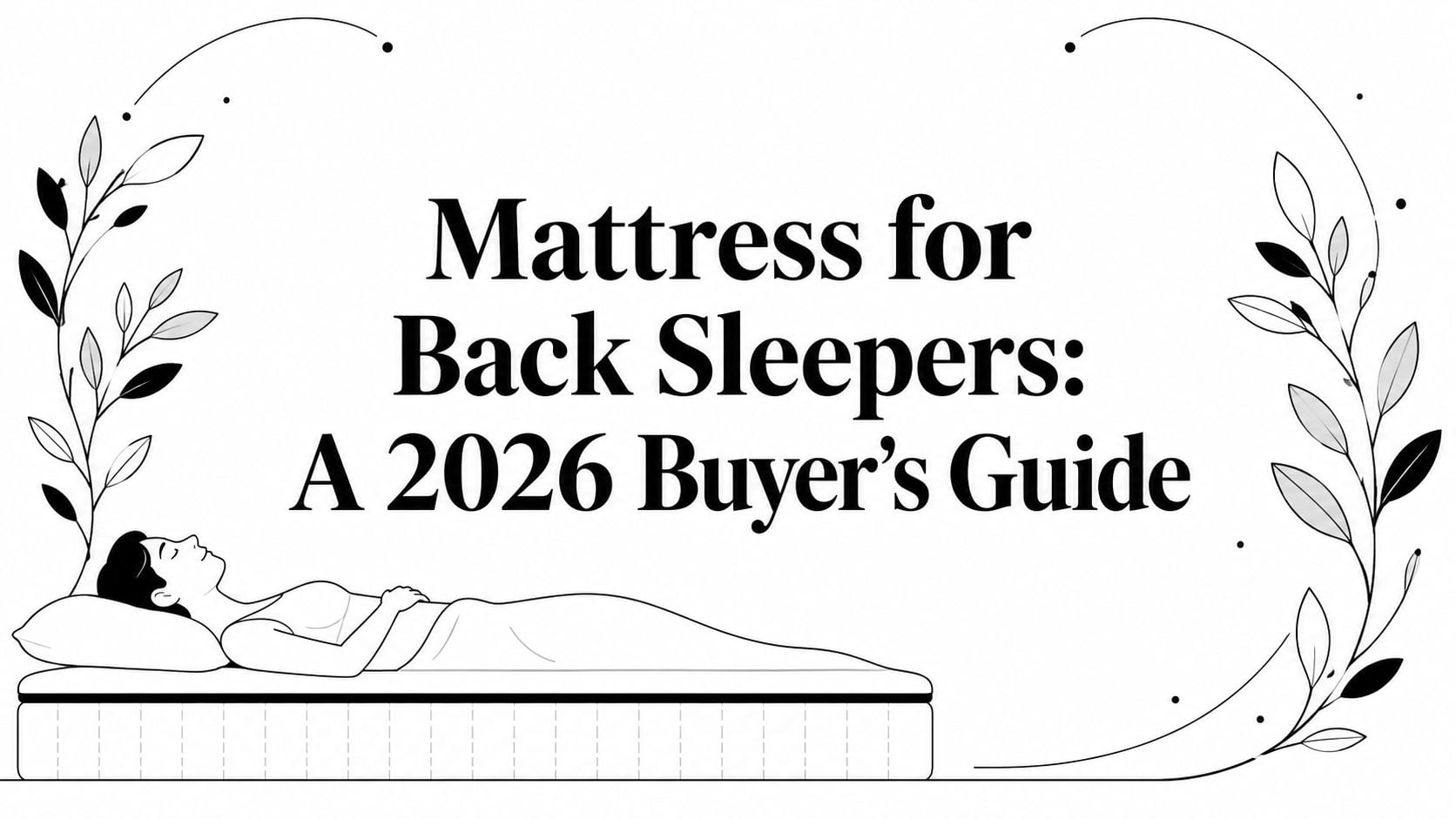
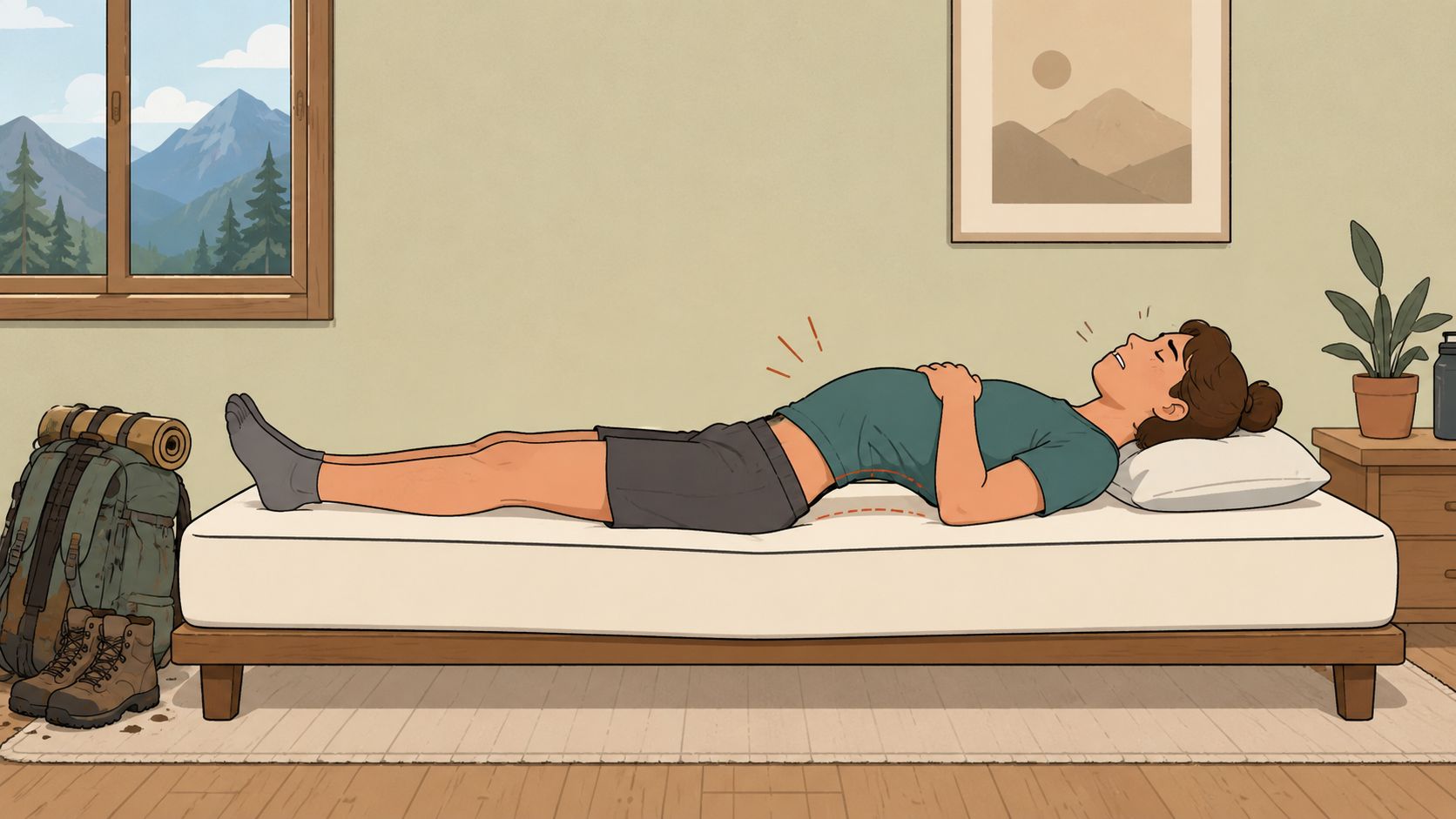
After a long hike near Ruidoso, a back sleeper should be able to stretch out and relax. Instead, the lower back may feel arched, the hips may seem buried, and the first movement in the morning can bring stiffness. That discomfort usually means the mattress isn't balancing support and contouring correctly.
Choosing a mattress for back sleepers requires more than picking the firmest surface in the showroom. The right bed should support the lumbar curve, keep the pelvis from sinking too far, cushion pressure zones, and stay comfortable in Ruidoso's dry mountain climate. Clinical evidence points toward medium-firm support for many people with nonspecific low-back pain, while construction details determine how that firmness feels.
What Back Sleepers Really Need From a Mattress
Back sleepers place the shoulders, hips, lower back, and heels against the mattress at the same time. That makes the position demanding. A surface that's too soft can let the pelvis drop, while a surface that's too firm can leave a hollow under the lumbar area and press against the shoulder blades.
A reliable mattress for back sleepers must handle three jobs:
- Balanced support: The pelvis should dip only slightly, without dropping below the thorax.
- Gentle contouring: The comfort layer should fill the small of the back instead of leaving unsupported space.
- Appropriate firmness: Medium to medium-firm construction usually offers the most practical balance for general back-sleeper comfort.
The support test
A shopper lying flat should notice even contact beneath the upper back, pelvis, and legs. The lumbar area shouldn't feel forced upward, but it also shouldn't disappear into the mattress. If the hips sink before the shoulders settle, the surface is likely too yielding for that body.
Medium-firm mattresses have the strongest general clinical case. A 2003 randomized, double-blind, controlled multicenter trial in The Lancet studied 313 adults with chronic nonspecific low-back pain and found better outcomes with medium-firm mattresses than firm mattresses after 90 days, including higher odds of pain relief in bed and lower disability. The clinical trial record provides the relevant findings.
A later systematic review of mattress research synthesized nine relevant studies and concluded that medium-firm mattresses promote comfort, sleep quality, and spinal alignment. That doesn't make every medium-firm bed suitable for every person, but it makes medium-firm the sensible starting point.
The rest of the buying decision comes down to material, pressure distribution, cooling, testing habits, and the practical advantages of shopping locally. For a Ruidoso resident, the bed also needs to work in a mountain home, cabin, guest room, or vacation rental.
Why Spinal Alignment Is the Core of Back-Sleeper Comfort
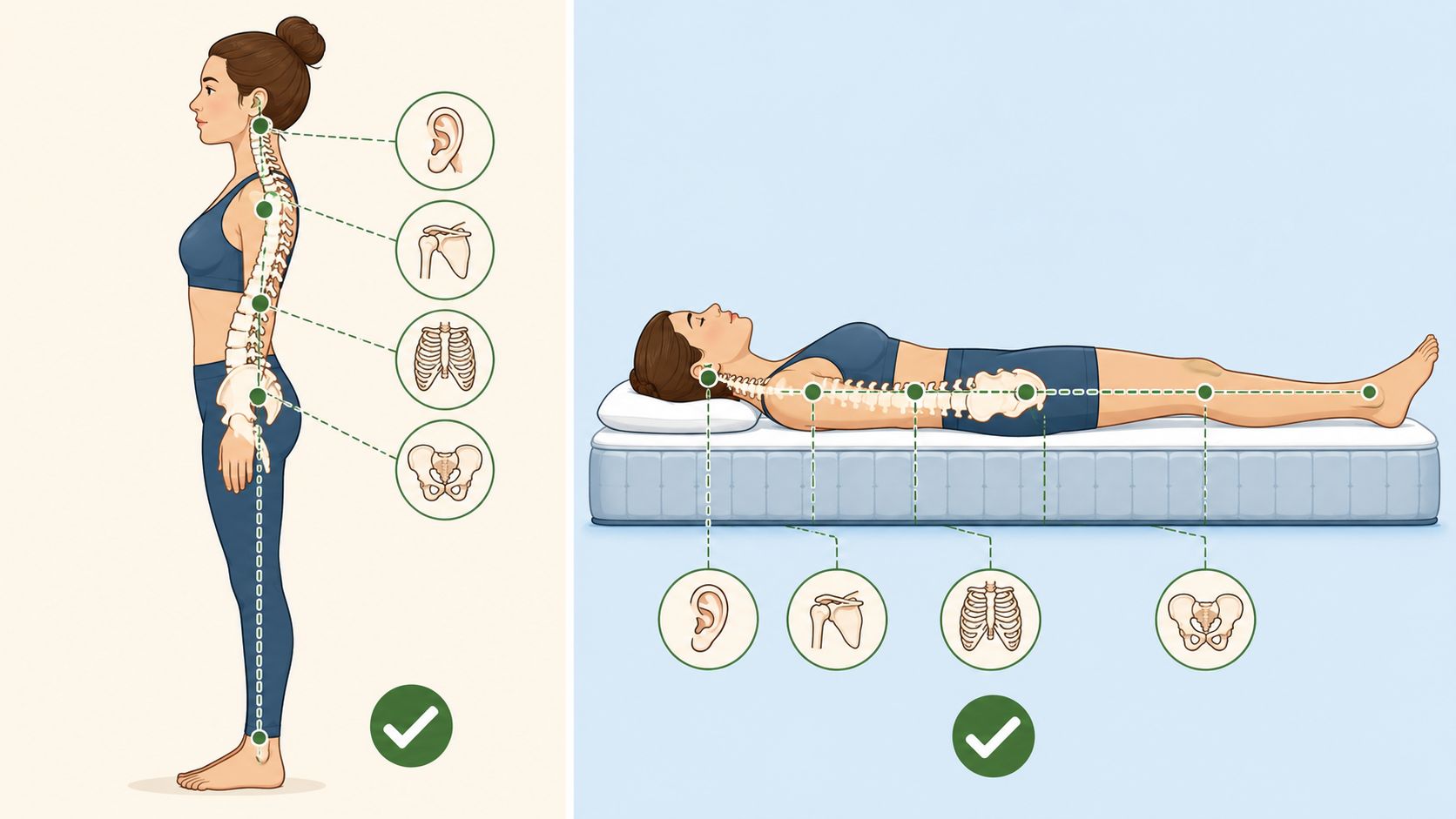
Neutral alignment is easier to understand while standing. The ears, shoulders, ribs, and hips should appear stacked rather than pulled forward or pushed backward. Lying on the back requires the same general relationship, with the mattress supporting the body's natural curves instead of flattening or exaggerating them.
A mattress that's too soft can allow the pelvis to sink below the upper body. That changes the lumbar position and may leave the sleeper feeling tight after several hours. A mattress that's too firm creates the opposite problem, pressing the shoulder blades while leaving a gap beneath the lower back.
Practical rule: The mattress should preserve the spine's natural curve, not force the back completely flat.
Translating firmness into a showroom decision
A consumer health guide describes the general back-sleeper target as about 6.5 out of 10 on a firmness scale, which is commonly understood as medium-firm. The back-sleeper mattress guidance supports a surface that lets the hips dip slightly while keeping the spine aligned.
For practical shopping:
- A medium feel may suit a lighter person who sometimes sleeps on the side and needs more shoulder cushioning.
- A medium-firm feel is the safest starting point for most adults, particularly those who need steadier pelvic support.
- A firm feel can make sense for a heavier build or a person whose clinician has identified a specific lumbar support need, but firmness alone doesn't guarantee alignment.
The spine-alignment guide offers additional guidance for coordinating the mattress, pillow, and sleeping posture. Pillow height matters because a mattress that allows the shoulders to settle more can push the head forward if the pillow is too tall.
The alignment check is simple. The neck should stay relaxed, the chin shouldn't angle toward the chest, and the hips shouldn't feel lower than the rib cage. A Sleep Pro can compare these details across several mattresses instead of relying on a label printed on the law tag.
Comparing Mattress Types for Back Sleepers
Construction changes the way firmness is delivered. Two mattresses with similar showroom ratings can feel completely different because one may use slow-response foam while another relies on responsive coils and thinner comfort layers.
Four common constructions
Memory foam offers the closest contouring. Tempur-Pedic TEMPUR-Adapt and TEMPUR-ProAdapt lines can cradle the lumbar curve and reduce motion transfer between partners. The tradeoff is a deeper, slower feel that some back sleepers find warmer or softer than expected.
Hybrids combine foam with coils. Sherwood Halsey and Belhaven models, along with Stearns & Foster Studio and Lux Estate options, can provide bounce, airflow, and stronger edge support. That combination often suits sleepers who want lumbar cushioning without feeling stuck.
Traditional innerspring mattresses provide a flatter, more buoyant surface. Sealy Posturepedic Plus and Premium lines can appeal to heavier back sleepers who prefer a classic feel, although a simpler coil-and-quilted design may not fill the lower-back gap as precisely as foam.
Latex responds quickly and feels buoyant. Naturally derived latex options can sleep cooler and make repositioning easy, but they usually contour less closely than memory foam.
| Type | Support | Contouring | Motion Isolation | Temperature | Best For |
|---|---|---|---|---|---|
| Memory foam | Stable, body-conforming | High | Excellent | Can retain more warmth | Back sleepers who want close cushioning |
| Hybrid | Strong, responsive | Moderate to high | Good | Usually more breathable | Couples and hot sleepers |
| Innerspring | Lifted and traditional | Moderate to low | Moderate | Naturally breathable | Sleepers who prefer a flatter feel |
| Latex | Buoyant and resilient | Moderate | Moderate | Generally cool | Sleepers who want bounce and airflow |
The practical starting point
For most back sleepers, a medium-firm hybrid or medium-firm memory foam mattress deserves the first test. Foam makes the lumbar area feel supported through contouring, while coils can add lift and airflow. The innerspring versus hybrid comparison can help shoppers identify which feel better matches their preferences.
Latex remains a worthwhile alternative when heat and easy movement matter more than deep cradling. Traditional innerspring beds work well for shoppers who dislike a hugging sensation, but the comfort layers deserve close inspection around the lumbar area.
Pressure Relief, Lumbar Support, and Temperature Control
Back sleepers don't escape pressure points. The shoulder blades, sacrum, hips, and heels can still carry noticeable load, especially on a rigid surface. A good mattress redistributes that pressure without allowing the pelvis to collapse.
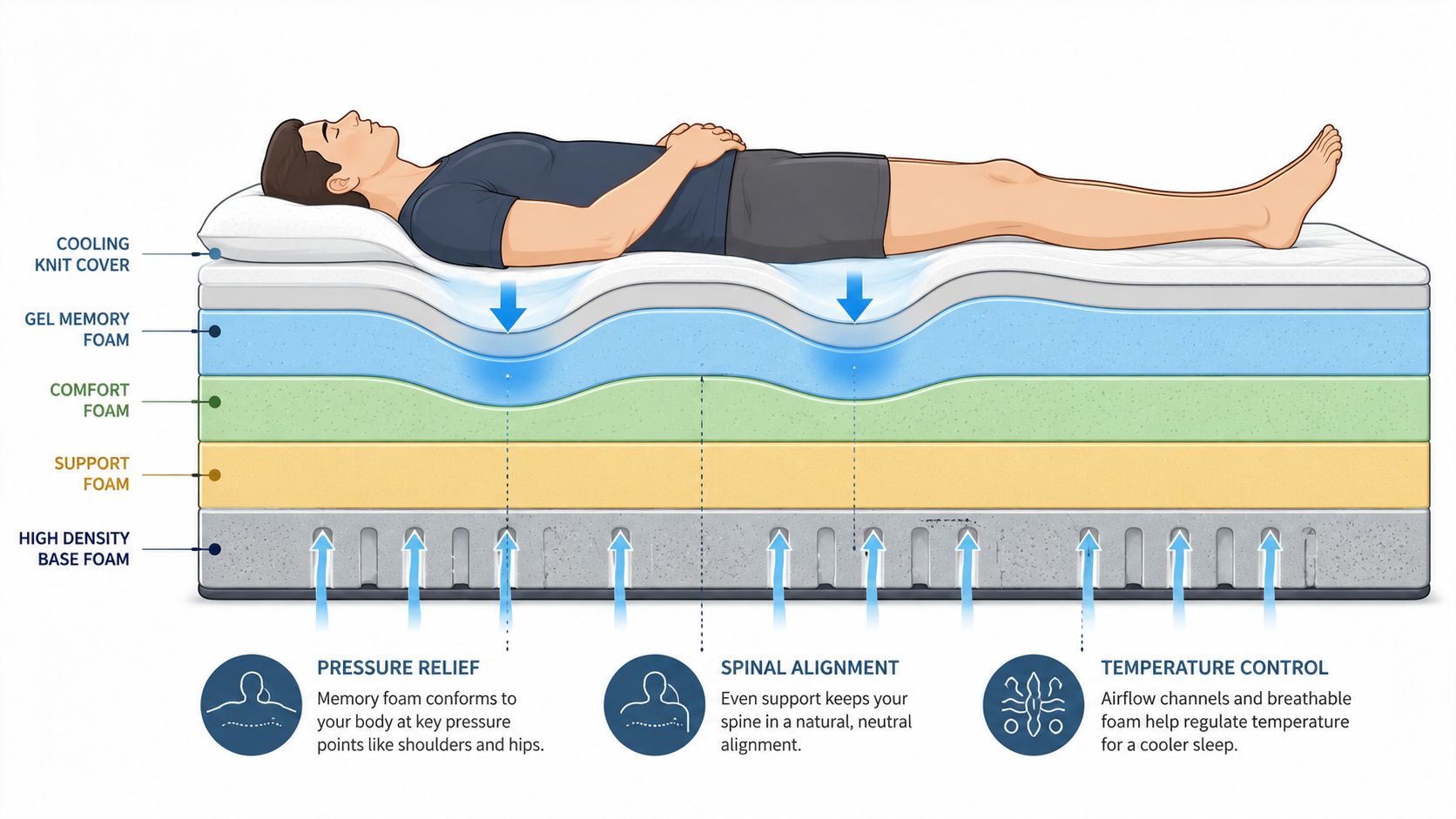
Memory foam spreads contact across a broader area by conforming to the body. Zoned pocketed coils approach the same problem mechanically, using different resistance across the mattress. These systems can cushion the shoulders and sacrum while keeping the central lumbar region more stable.
Three features deserve separate attention
Pressure relief comes from the upper comfort layers. A sleeper should feel supported rather than suspended above the mattress, with no sharp pressure at the shoulder blades or sacrum.
Lumbar support comes from the deeper structure. Zoned coils, supportive foam bands, reinforced rails, and resilient transition layers can keep the pelvis from sinking while allowing limited contouring.
Temperature control depends on the entire build, not a single marketing phrase. Gel-infused foam may change the surface response, while ventilated coils promote air movement below the comfort layers. Latex, wool, cotton, and Tencel covers can alter how moisture and heat move away from the body.
In Ruidoso's dry mountain air, a mattress can feel comfortable under light bedding yet become too warm under a heavy quilt. A cabin with limited heating may need a more breathable construction than a climate-controlled primary bedroom.
The pressure-point relief guide gives shoppers a useful way to compare surface cushioning without confusing softness with support. A specification sheet should be read for layer materials, coil ventilation, cover fabric, and zoned construction. “Cooling” should never be accepted as a complete explanation by itself.
Clinical research also supports paying attention to structure. MRI-based evidence in supine sleepers found that mattress surface type can produce statistically significant changes in lumbar sagittal alignment, including lordosis and sacral slope. The MRI-based mattress study reinforces the practical test, the pelvis shouldn't sink below the thorax.
How to Test a Mattress In-Store and at Home
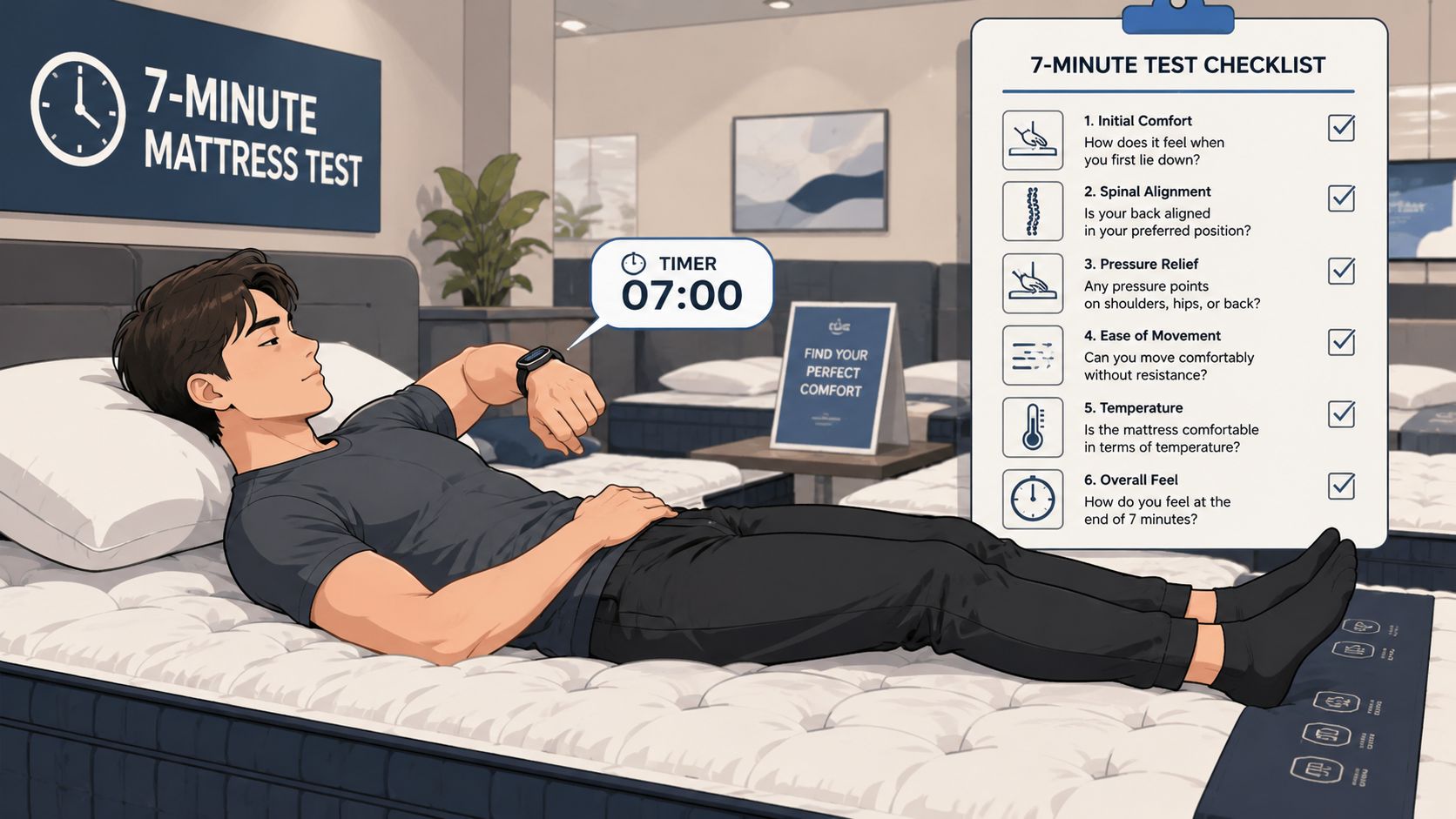
A ten-second lie-down tells very little. Back sleepers need enough time for the hips, shoulders, and lumbar area to settle into the comfort layers.
A deliberate showroom test
Wear flexible clothing and bring the pillow height normally used at home. Each candidate deserves several minutes in the true back-sleeping position, not just a quick sit on the edge.
Use this sequence:
- Start flat on the back. Check whether the lower back feels gently filled rather than arched or unsupported.
- Watch the pelvis. It should settle slightly without creating a hammock effect.
- Roll to both sides. A mattress for back sleepers should allow a controlled transition without trapping the shoulders.
- Test the edge. Sit and lie near the perimeter to evaluate stability.
- Adjust the foundation. Ask the Sleep Pro to confirm that the base matches the mattress design.
Couples should test together. One partner can change positions while the other remains still, revealing whether movement travels across the surface. The mattress edge-support guide adds another useful check for couples and anyone who uses the full sleep surface.
Evaluating an online mattress at home
A boxed mattress needs a structured evaluation rather than a first-night verdict. The body may respond differently after regular use, so observations should be recorded.
- First night: Note immediate pressure, hip sink, lumbar contact, and heat.
- First week: Look for adaptation problems, including repeated repositioning or unusual stiffness.
- Second week: Ask a partner whether movement, edge stability, and temperature remain acceptable.
- Fourth week: Make a clear decision based on morning comfort, not just the initial impression.
Red flags include numbness, persistent mid-morning tightness, a visible sag, or a head and neck position that feels strained. Photographs of the sleep surface and written notes can make an exchange conversation more useful.
The fear of choosing the wrong bed is exactly why the Comfort Promise matters. Instead of returning a mattress blindly, a shopper can work through the exchange process and compare the original choice with a better-matched support profile.
Why Buying Local From Mattress Pro by Miller Waldrop Matters
Back sleepers often notice a wrong mattress through morning discomfort. A side sleeper may describe pressure at one shoulder, but a back sleeper may wake with the entire lumbar area feeling strained because the pelvis and spine spent hours in the wrong position.
A local showroom reduces that risk by making the decision observable. A Sleep Pro can ask about body type, sleep position, shoulder history, lower-back concerns, pillow height, and foundation condition before suggesting a firmness profile. The shopper can then test properly, with the correct pillow and enough time to notice alignment.
A mattress label can't tell whether the lumbar curve is supported. A careful test can.
The Comfort Promise addresses the most common objection to buying a new mattress, the fear of being stuck with the wrong feel. If the chosen bed doesn't provide the expected support at home, the exchange process gives the household a practical path forward rather than leaving the buyer to solve the problem alone.
Service affects performance
A mattress can underperform if the foundation is incompatible, the frame is unstable, or delivery leaves the bed positioned incorrectly. Full-Service Delivery with Professional Setup helps connect the purchase to the first night of use, including room placement and the practical handling of the old mattress where applicable.
The Low Price Promise matters to budget-conscious households because local advice shouldn't require abandoning price discipline. Flexible financing can also help a shopper select the support system that fits the body instead of settling for the cheapest surface.
Mattress Pro by Miller Waldrop operates from 2801 Sudderth Drive in Ruidoso and serves nearby communities, including Alto and Lincoln County. The local mattress-buying guide explains why local testing and service can be useful when a mattress needs to perform in a specific home.
Ruidoso and Lincoln County Considerations for Your New Bed
Ruidoso's dry mountain air and changing temperatures affect how a sleep surface feels. A foam mattress may feel somewhat firmer in a cold winter bedroom and more pliable during periods of summer humidity. The room's heating, bedding, and ventilation matter as much as the material label.
Choosing for a primary home
A full-time resident should start with the bedroom environment. Woodstove heat can dry the room, while heavy quilts can trap warmth against a slow-response foam surface.
Useful choices include:
- Breathable hybrids: Coils encourage air movement below the comfort layers.
- Latex comfort layers: Latex offers buoyancy and tends to feel less enveloping than traditional memory foam.
- Moisture-aware covers: Wool, cotton, or Tencel can support a drier, more comfortable surface feel.
- Protective layering: A breathable protector guards the mattress without creating a plastic-like heat barrier.
A guest room near Ski Apache, a home in Ruidoso Downs, and a bedroom in Capitan may all need different priorities. The right construction depends on whether the room is heated consistently, used seasonally, or furnished for visitors.
Cabin and vacation-rental needs
Vacation-rental hosts along the Rio Ruidoso and in Alto need durability and quick reset between guests. A responsive hybrid or resilient latex build can make the bed easier to remake and less likely to feel permanently compressed after repeated use.
Second-home owners closing a cabin for months should use a breathable protector and maintain ventilation when possible. That helps limit musty odors without sealing the mattress inside a nonbreathing cover.
A replacement-friendly foundation is also practical for rental owners. When a foundation can be serviced or changed without replacing the whole sleep system, future maintenance becomes simpler.
Your Next Step Toward Better Back-Sleeper Sleep
A strong mattress for back sleepers should meet four requirements: medium to medium-firm support, lumbar reinforcement, pressure-relieving comfort layers, and breathable construction suited to the dry mountain climate. Zoned support deserves special attention when the pelvis tends to sink or the lower back feels tight after sleep.
A shopper heading to the showroom should bring a short, useful checklist:
- Body information: Note approximate body size and how weight is distributed.
- Pain history: Identify shoulder, hip, neck, or lower-back concerns.
- Pillow preference: Bring the usual pillow or describe its height and feel.
- Sleep position: Test in the actual back-sleeping posture, not while sitting.
- Partner feedback: Decide whether motion isolation and edge support matter.
- Foundation details: Record the current base and any frame concerns.
Each candidate should receive a serious comparison. A Sleep Pro can place a memory foam model beside a hybrid and a latex option, then help the shopper identify differences in contouring, response, cooling, and lumbar stability. The decision should be based on body contact and alignment, not the mattress name alone.
Before signing, confirm the Comfort Promise exchange terms, the Low Price Promise, financing details, and the Full-Service Delivery with Professional Setup schedule. Those details remove much of the uncertainty from buying a mattress for back sleepers, especially when the bed will serve a primary home, cabin, or guest room.
The local choice is straightforward. Mattress Pro by Miller Waldrop has served Ruidoso and surrounding Lincoln County communities through the Miller Waldrop family legacy, with Sleep Pros focused on mattresses and personalized sleep systems. A showroom visit on Sudderth Drive gives the household a chance to test support before delivery rather than guessing from a screen.
Mattress Pro by Miller Waldrop offers Tempur-Pedic, Sealy, Stearns & Foster, and Sherwood mattresses, along with the Comfort Promise, Low Price Promise, and Full-Service Delivery with Professional Setup for local shoppers. Visit Mattress Pro by Miller Waldrop at 2801 Sudderth Drive, Suite F, in Ruidoso to test a mattress for back sleepers and find a support profile that fits the body, the home, and the mountain climate.