

Best Tempur Pedic Mattress for Side Sleepers


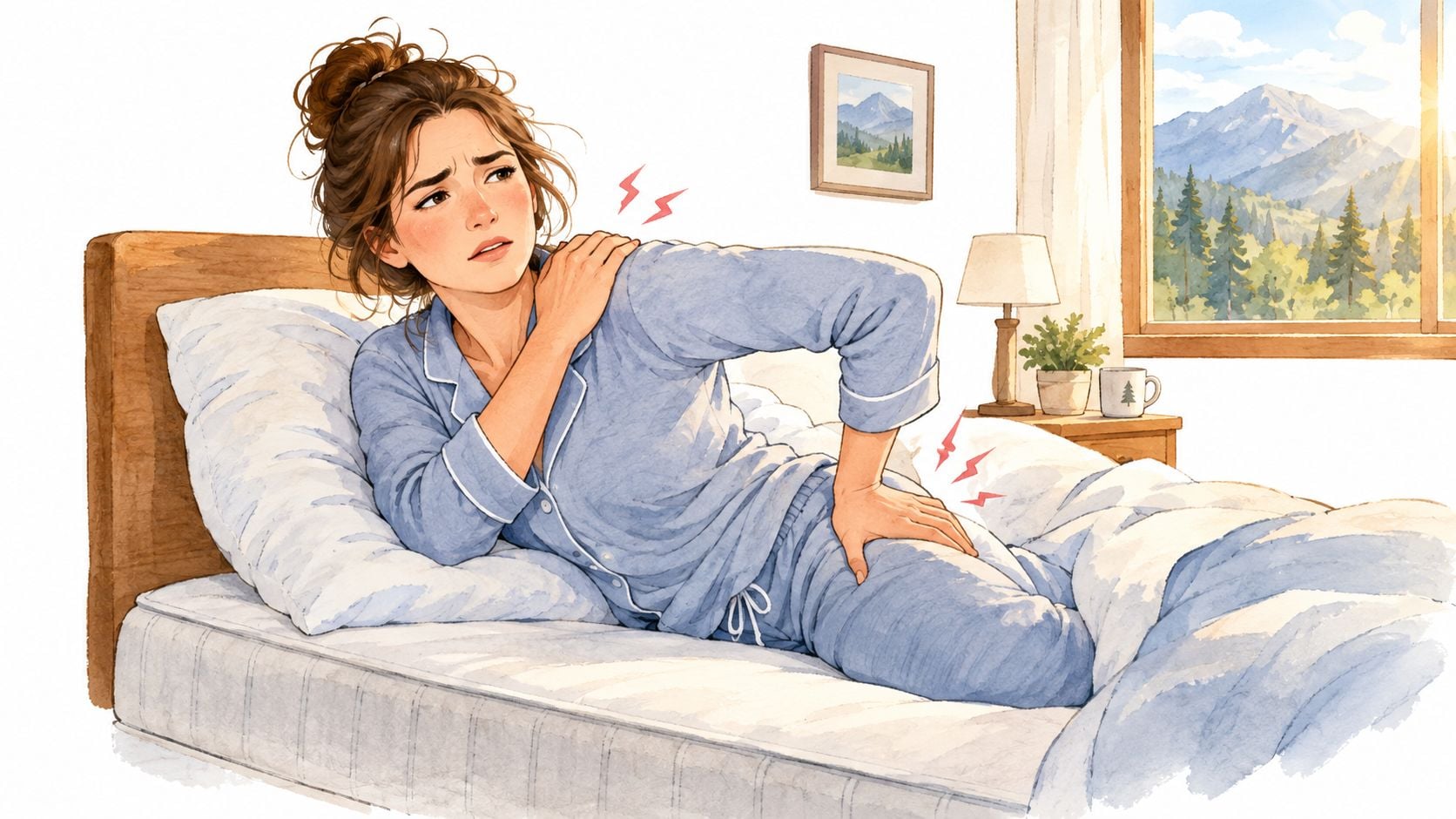
A numb shoulder wakes a Ruidoso sleeper before sunrise. The hip aches, the neck feels out of line, and the mattress gets blamed. Yet the right answer usually isn't “buy the softest bed.” It's finding the Tempur-Pedic feel that cushions the shoulder and hip without letting the pelvis sink too far.
The best Tempur-Pedic mattress for side sleepers depends on body weight, shoulder width, hip shape, and whether the sleeper stays on one side or changes positions. A local trial on Sudderth Drive can reveal those differences far more clearly than a firmness label or an online product page.
Why Side Sleepers Need a Different Mattress Decision
Side sleeping concentrates body weight along a narrower contact area than back sleeping. The shoulder and hip absorb much of that load, so a mattress can feel comfortable at first and still create pressure after several hours.
A peer-reviewed sleep position study found that participants spent roughly 30.1% of observed sleep time on the left side and 31.7% on the right side, while 72.6% of female respondents and 70.9% of male respondents reported side sleeping as their primary posture. Those figures make side-sleeper support relevant to a broad range of adults, including active mountain sleepers in Ruidoso. (Peer-reviewed sleep position study)
Pressure relief is only half the job
A shoulder needs enough room to settle into the comfort layers. The pelvis needs support underneath it, especially when a sleeper has a narrower waist or carries more weight around the hips. If the mattress resists too much, the shoulder can bear excessive pressure. If it gives too much, the pelvis may dip and rotate the spine.
That's why the most comfortable showroom bed isn't automatically the most suitable overnight bed. A person with broad shoulders may need more surface cushioning than another person at the same weight, while a combination sleeper may prefer a little more resistance for easier turning.
The local fitting advantage
A useful fitting checks more than softness. A Sleep Pro can observe whether the neck stays level with the spine, whether the ribs and pelvis remain reasonably aligned, and whether movement feels natural.
For a practical guide to the broader decision, see how to choose a mattress for side sleepers. The key point is simple: the right model must balance shoulder comfort, pelvic support, and spinal alignment.
The Science Behind Side-Sleeper Pressure Relief
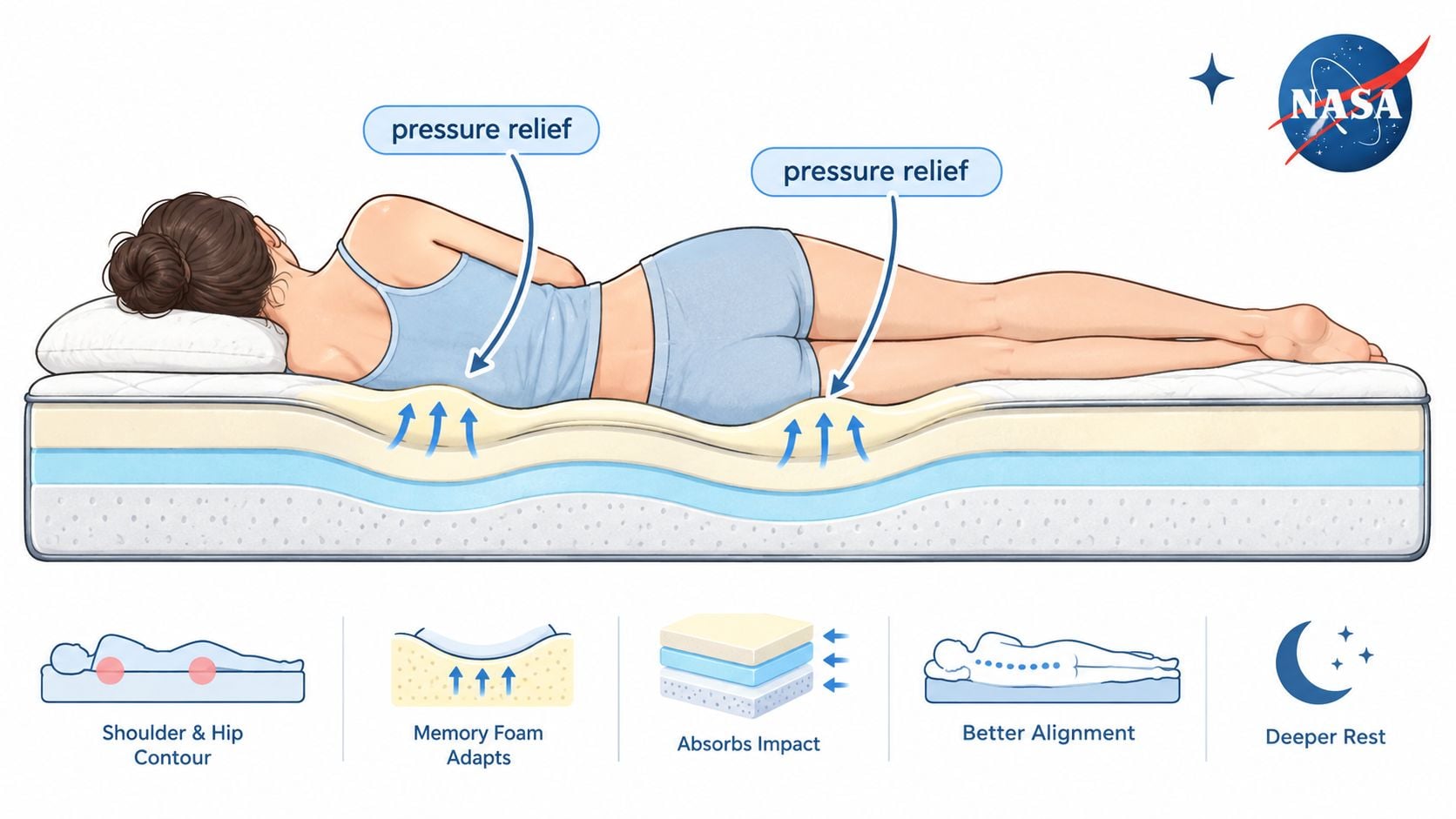
TEMPUR material has an unusual history for a mattress component. NASA scientists at Ames Research Center developed the underlying “temper foam” in the early 1970s to cushion astronauts against launch G-forces. NASA later reports that the material appeared in wheelchairs, football helmets, airplane seats, and X-ray table pads before Tempur-Pedic developed it for mattresses and pillows. (NASA Spinoff history of TEMPUR material)
How adaptive foam supports the side position
TEMPUR foam responds to body heat and pressure. It tends to soften in warmer areas with greater contact while remaining more resistant where the body applies less force. For a side sleeper, that response can spread pressure across more of the shoulder, waist, and hip instead of leaving the load concentrated at a few points.
The mattress still has to hold the body in a neutral position. The shoulder and pelvis should sink slightly, but the midsection shouldn't collapse between them. A practical explanation of this category appears in types of pressure-relieving mattresses.
Why medium and medium-firm deserve attention
Guidance from the National Council on Aging recommends medium to medium-firm support for many side sleepers because that range can cushion the shoulder and hip while maintaining support through the neck and torso. A systematic review of 39 studies also found that medium-firm mattresses generally offer the best balance of comfort, sleep quality, and spinal alignment, although mattress construction still affects pressure distribution. (Systematic review of mattress firmness and sleep outcomes)
Ruidoso's dry mountain air can make nighttime cooling especially important. Memory foam's contouring may feel inviting, but shoppers should also notice whether the surface feels too warm and whether the sleeper can reposition without fighting the material.
Practical rule: A softer mattress can reduce shoulder pressure, but it isn't automatically better if it allows the pelvis to sink or makes turning difficult.
Matching Firmness to Your Body Type
Firmness should follow the sleeper, not the other way around. Body weight provides a useful starting point, but shoulder width, hip structure, and sleep style decide whether that starting point feels right.
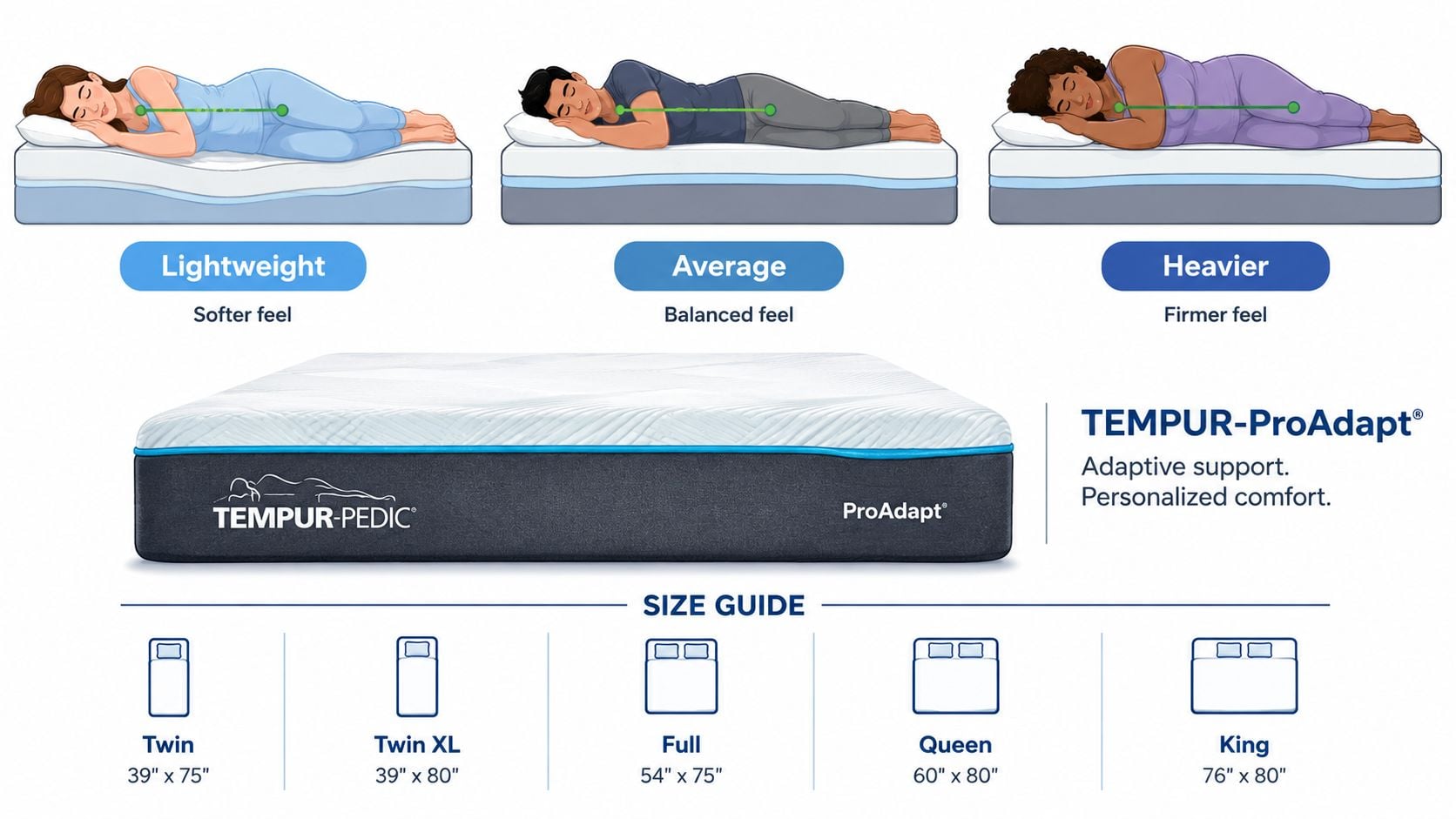
The TEMPUR-ProAdapt offers a clear example. Independent testing rated its Soft feel about 3/10, its Medium and Medium Hybrid versions about 5/10, and its Firm version about 7/10.
Start with weight, then adjust for shape
Use the ProAdapt framework as a guide:
- Under 130 pounds: Soft, Medium, or Medium Hybrid versions generally provide the cushioning lighter side sleepers need, particularly when the shoulders are broad or sensitive.
- Between 130 and 230 pounds: Medium or Medium Hybrid usually offers the most balanced starting point, with enough contouring for the shoulder and enough resistance beneath the pelvis.
- Above 230 pounds: Firm generally provides stronger surface resistance and can limit excessive hip and shoulder sinkage.
Those ranges aren't a substitute for testing. A 120-pound sleeper with broad shoulders may need more shoulder accommodation than a 180-pound sleeper with a narrower frame. A 250-pound sleeper who changes positions may appreciate the movement of a hybrid construction, while another sleeper at the same weight may prefer the steadier feel of all-foam support.
Check the three alignment points
During a fitting, the sleeper should evaluate:
- Shoulder clearance: The shoulder should settle far enough for the neck to remain level with the spine.
- Pelvic control: The hips should not dip noticeably below the rib cage.
- Movement: Rolling to the back or opposite side should feel manageable, not like climbing out of a depression.
More guidance on the process appears in how to choose a mattress firmness. In Ruidoso, a Mattress Pro showroom trial lets two people with the same body weight test how shoulder width and hip shape change the result.
Comparing the Best Tempur-Pedic Models for Side Sleepers
Three models deserve the first round of testing for different reasons. The TEMPUR-ProAdapt offers the clearest body-weight-to-firmness range. The TEMPUR-Adapt is a strong choice for couples who need motion isolation and a versatile medium feel. A TEMPUR hybrid construction suits sleepers who want more buoyancy and easier movement than traditional all-foam contouring.
| Model | Feel | Best For | Side-Sleeper Caveat |
|---|---|---|---|
| TEMPUR-ProAdapt Soft | About 3/10 in independent testing | Lighter side sleepers with pronounced shoulder sensitivity | May feel too yielding for heavier bodies or restless combination sleepers |
| TEMPUR-ProAdapt Medium or Medium Hybrid | About 5/10 in independent testing | Average-weight side sleepers seeking balanced contouring | Medium Hybrid may feel less deeply cradling than all-foam |
| TEMPUR-ProAdapt Firm | About 7/10 in independent testing | Heavier side sleepers who need stronger pelvic control | Can create shoulder pressure for lighter or narrow-framed sleepers |
| TEMPUR-Adapt | Medium to medium-firm feel | Couples, larger side sleepers, and position changers | Lighter side sleepers may find it too resistant |
| TEMPUR hybrid option | More buoyant and easier to move across | Combination sleepers and hot sleepers seeking more airflow and movement | May provide less enveloping motion isolation than all-foam |
TEMPUR-Adapt for couples
The Adapt earns early consideration when one partner needs support and the other changes positions. Hands-on testing rated it 8.5/10 for side and stomach sleeping and 9.5/10 for back sleeping, with meaningful shoulder and hip pressure relief, though lighter side sleepers had a less consistent fit.
Its all-foam design can limit partner disturbance and provide a stable, conforming feel. The trade-off is resistance. A lighter sleeper with a sensitive shoulder may prefer the softer surface of a ProAdapt configuration.
TEMPUR-ProAdapt for targeted matching
The ProAdapt is the most useful model to test when body weight is the main concern. Its Soft, Medium, Medium Hybrid, and Firm choices let shoppers address different levels of shoulder cushioning, pelvic support, and movement.
A fuller range of available options can be reviewed through the Tempur-Pedic mattress collection. The first model to test depends on whether the sleeper is alone, sharing the bed, or moving between side and back positions.
How to Test a Tempur-Pedic In Our Ruidoso Showroom
The showroom test should mimic a normal night, not a quick sit on the edge. At Mattress Pro by Miller Waldrop, the fitting process can focus on the sleeper's actual side position, pressure points, and movement needs.
Use a five-minute side-sleeping test
Start by lying on the preferred side for at least five minutes. Memory foam can feel different after the body warms the surface, so the first few seconds don't provide enough information.
Keep the head in a neutral position rather than propping the chin toward the chest. If the shoulder feels compressed, note exactly where the pressure appears. Shoulder discomfort near the joint points to insufficient cushioning, while a neck pull may indicate that the pillow and mattress aren't working together.
Check alignment with a partner or Sleep Pro
A partner or Sleep Pro should look from behind while the sleeper lies naturally. The neck, ribs, and pelvis should remain reasonably aligned instead of forming a visible bend through the waist.
The hips deserve special attention. If they sink below the rib cage, the surface may be too soft for that body. If the shoulder stays raised while the waist has no support, the mattress may be too firm or too flat for the sleeper's shape.
Test movement before deciding
Roll to the back, then to the opposite side. Combination sleepers should notice whether the foam releases the body easily or holds it in place. Couples should also change positions while the other person remains still, paying attention to how much movement transfers across the surface.
The best local mattress store in Ruidoso can provide a level of hands-on comparison that a bed-in-a-box page cannot. Miller Waldrop's Comfort Promise also helps reduce the fear of choosing incorrectly, giving shoppers a local path forward if the initial fit doesn't deliver the expected comfort.
Side-Sleeper Profiles and Which Model Fits
The same brand can suit very different bodies. Three common profiles show why body type and sleep style should lead the decision.
The 120-pound sleeper with broad shoulders
This sleeper wakes with shoulder numbness despite having a light frame. The broad shoulder creates a deeper contact point, so a firmer surface may push upward rather than allowing the shoulder to settle.
Recommendation: Start with the TEMPUR-ProAdapt Soft, then compare it with Medium if the softer feel makes movement difficult. The Sleep Pros can recreate the test in the normal side position and check neck alignment.
The 180-pound combination sleeper sharing a bed
This sleeper spends part of the night on the side and part on the back. A partner shares the mattress, so movement control matters as much as pressure relief.
Recommendation: Start with the TEMPUR-Adapt Medium feel, then compare it with the ProAdapt Medium or Medium Hybrid. The Adapt offers a practical compromise for couples who need contouring without an overly soft surface.
The 250-pound side sleeper with hip discomfort
This sleeper feels the pelvis sinking and wakes with discomfort around the hip. A soft surface may increase the dip instead of solving it.
Recommendation: Test the TEMPUR-ProAdapt Firm first, then compare a hybrid option if easier movement and a more buoyant surface feel important. The Sleep Pros can check whether the pelvis remains supported while the shoulder still receives enough cushioning.
These examples aren't product rankings. They're starting points for a fitting that accounts for weight, body shape, and position changes.
Why Buying Local Beats Buying a Bed-in-a-Box
A bed-in-a-box purchase hides the variable that matters most for side sleepers: how your body settles into this specific foam after twenty minutes. If the feel is wrong, the return process adds packing, scheduling, and waiting to an already frustrating decision. A local fitting lets you resolve the shoulder, hip, and body-shape combination before committing.

The Miller Waldrop difference
Miller Waldrop is a family-owned Ruidoso business with a 70-year legacy of service. Residents from Alto, the village center, and across Lincoln County can visit the showroom on Sudderth Drive, compare Tempur-Pedic with other mattress categories, and get advice based on body type, shoulder width, sleep position, and budget rather than a generic firmness chart.
The local service model includes:
- Comfort Promise: A practical safeguard when the first choice does not feel right.
- Low Price Promise: Local price support while you compare serious mattress options.
- Full-Service Delivery: Professional setup at home, so you do not handle a heavy mattress alone.
Ruidoso's mountain climate and active lifestyles make personal fitting useful. Mattress Pro by Miller Waldrop focuses on sleep systems and one-on-one recommendations, helping you choose a surface that suits your pressure points, position changes, cooling needs, and budget.
A showroom visit also gives couples room to discuss different comfort preferences before delivery.
Ready to test the best Tempur-Pedic mattress for side sleepers in person? Visit the Sleep Pros at Mattress Pro by Miller Waldrop at 2801 Sudderth Drive, Suite F, in Ruidoso, open Monday through Saturday. The team can arrange full-service delivery, professional setup, and support through the Comfort Promise.