

Mattress You Can Flip: Extended Durability Guide 2026


A mattress can feel wonderful when it's new, then slowly turn into the place where sleep goes wrong. One partner wakes with a sore hip, the other notices a dip beneath the shoulders, and both wonder whether the bed has developed a permanent “favorite spot.” In Ruidoso, where active days, dry mountain air, and changing temperatures already put plenty of demands on nightly recovery, that uneven support can become especially frustrating.
A mattress you can flip offers a different approach, but only when it was designed for two-sided use. The decision isn't as simple as turning over every mattress in the home. Construction, comfort layers, sleeping positions, and the needs of both partners all matter.
Why Your Mattress Develops a Favorite Spot Too Quickly
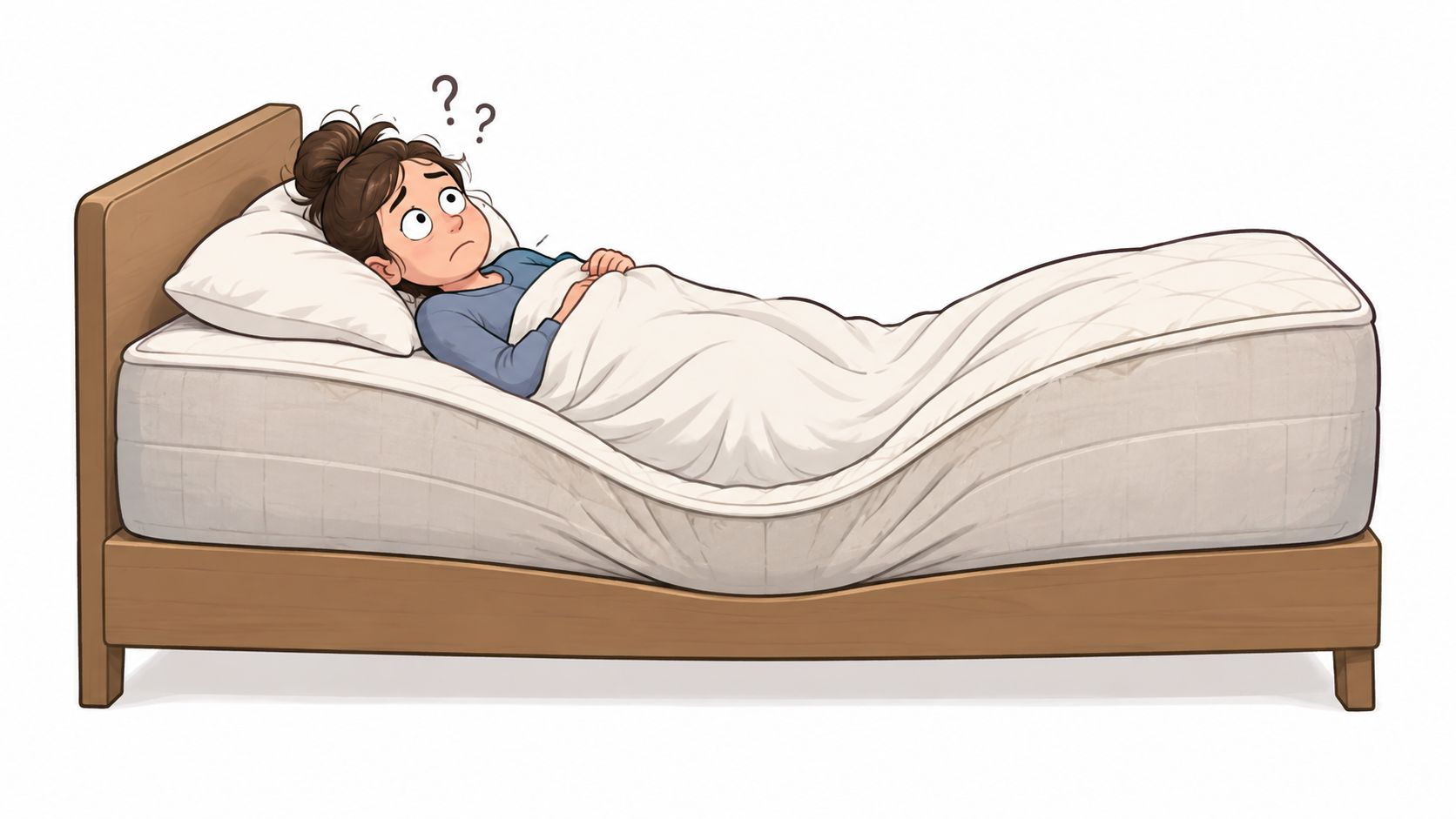
The familiar story usually starts gently. A couple buys a comfortable bed, settles into the same positions each night, and enjoys the cushioning for a while. Gradually, the surface begins to settle under the shoulders, hips, or center of the bed. Morning stiffness arrives before either sleeper recognizes that the mattress has become a shallow valley.
That valley changes more than appearance. When the surface no longer distributes weight evenly, one sleeper may sink farther than the other, while pressure builds around the shoulder or hip. A mattress that once supported easy movement can start making every turn feel like work.
Why repeated loading changes the feel
Every night places compressive stress in familiar locations. A solo sleeper may load the same central area, while couples can create separate impressions on each side. An active sleeper returning from hiking, skiing, or long days around Alto may notice the loss of pressure relief more quickly because the body needs dependable recovery.
A two-sided design can distribute that work across two usable surfaces. The benefit comes from changing the surface that carries the load, not from flipping a one-sided bed onto its structural base.
For construction context, reported average lifespans are approximately 5.5–6.5 years for innerspring mattresses, 6–7 years for foam models, and 6.5–7.5 years for hybrids, although material quality and care still matter. A flippable design can spread wear between surfaces rather than concentrating it on one face, as explained in this mattress lifespan guidance.
A dip isn't always a flipping problem
A visible impression may indicate uneven wear, an unsuitable foundation, or materials reaching the end of their useful life. A simple turn won't restore a mattress that has lost structural support.
Readers looking for help identifying the difference between normal settling and serious wear can review this guide to mattress sagging. The practical question is whether both sides were built to sleep on. If they weren't, flipping can create a harder, less supportive surface instead of solving the original problem.
The Comeback of the Two-Sided Mattress
A true two-sided mattress contains usable comfort materials on both faces, with a support structure designed to work between them. It isn't merely a mattress with attractive fabric on the underside. Both surfaces must provide an intentional sleep feel, and the manufacturer must identify the model as reversible or flippable.
That distinction matters because many contemporary mattresses have a clear top-to-bottom order. Pressure-relieving foam, quilting, or cushioning belongs above the support core. Turning that construction over can place firm structural material directly beneath the sleeper.
Why the old advice changed
Two-sided, flippable mattresses were dominant through much of the twentieth century. Early innerspring beds commonly used spring systems and cotton or other cushioning materials on both faces, so households could turn the mattress over and rotate it end-to-end.
The industry moved toward one-sided designs during the late 1990s and early 2000s. Thicker pillow-tops and layered foam made the two surfaces structurally different, while a one-sided “No-Flip” design introduced in 2000 became a major milestone in the transition. Federal flammability requirements under 16 CFR Part 1633 applied to mattresses manufactured or imported beginning July 1, 2007, adding testing and material requirements that contributed to simpler one-sided construction. This history of two-sided mattresses explains why older household advice no longer suits every bed.
What makes a modern reversible bed different
A flippable mattress may use different feels on each side, such as a softer surface for side sleeping and a firmer surface for back sleeping. It may also offer similar comfort on both sides with the practical advantage of distributing wear.
Before buying, the shopper should confirm:
- Two-sided construction: Both faces are intended for sleeping.
- Manufacturer approval: Care instructions specifically permit flipping.
- Usable comfort layers: Neither side is a bare base, non-slip panel, or structural cover.
- Compatible support: The foundation supports the mattress in either orientation.
- Clear firmness information: Each side has a defined feel, even if the surfaces aren't identical.
A flippable mattress is therefore an engineered durability choice. It isn't an invitation to turn over every pillow-top, foam, or hybrid mattress in the house. For shoppers comparing spring-based constructions, this innerspring versus hybrid mattress guide can help clarify how internal layers affect care and comfort.
Flippable vs Modern One-Sided Mattresses
Neither construction automatically suits every sleeper. A two-sided bed emphasizes flexibility and wear distribution, while a one-sided mattress can deliver highly specialized comfort through carefully arranged foam, coils, quilting, and edge support.
| Consideration | Flippable mattress | Modern one-sided mattress |
|---|---|---|
| Surface design | Usable comfort materials on both faces | Comfort layers are placed above a structural base |
| Maintenance | Flipping and rotation may both be part of care | Rotation may be appropriate, but flipping usually isn't |
| Feel | One or two approved comfort profiles | One intentional comfort profile |
| Durability strategy | Shares wear between surfaces | Relies on material engineering and correct rotation |
| Shopping priority | Verify both sides independently | Confirm the top layer, support core, and care instructions |
A one-sided mattress is not inferior just because it can't be flipped. Premium models from Tempur-Pedic and Stearns & Foster, along with beds from Sealy and Sherwood, can be engineered around a single carefully tuned sleep surface. The important question is whether that design matches the sleeper and will be maintained correctly.
Firmness isn't the same as support
A firm surface can feel stable in a showroom but create pressure at the shoulder or hip at home. Softer foam may relieve those areas while allowing too much sinking if the support core doesn't suit the sleeper's body and position. Memory foam responds to heat and pressure, while hybrid designs combine foam contouring with coil support, and cooling materials can help manage heat for sleepers who prefer a less warm feel.
A randomized, double-blind, multicenter trial involving 313 adults with chronic nonspecific low-back pain found greater improvement in pain and disability among participants assigned to medium-firm mattresses than among those assigned to firm mattresses. The clinical trial on medium-firm and firm mattresses supports testing pressure relief and spinal comfort rather than assuming the hardest surface is best.
Where density fits
Foam density affects how a layer responds, supports weight, and manages long-term compression, but density alone doesn't determine comfort. A sleeper still needs the right combination of contouring, resilience, airflow, and support.
A closer look at memory foam mattress density can help shoppers understand why two beds with similar labels may feel different. For either construction, the useful test is simple: the hips shouldn't sink excessively, the spine should feel relaxed, and the shoulders and hips shouldn't carry sharp pressure.
Who Should Choose a Flippable Mattress in Ruidoso
A flippable mattress can make particular sense for households that value adaptable comfort and long-term care. The strongest candidates aren't defined by one sleeping position alone. They're people whose bedrooms see varied use, whose bodies change with activity, or whose households need a practical way to manage wear.
Couples with different comfort needs
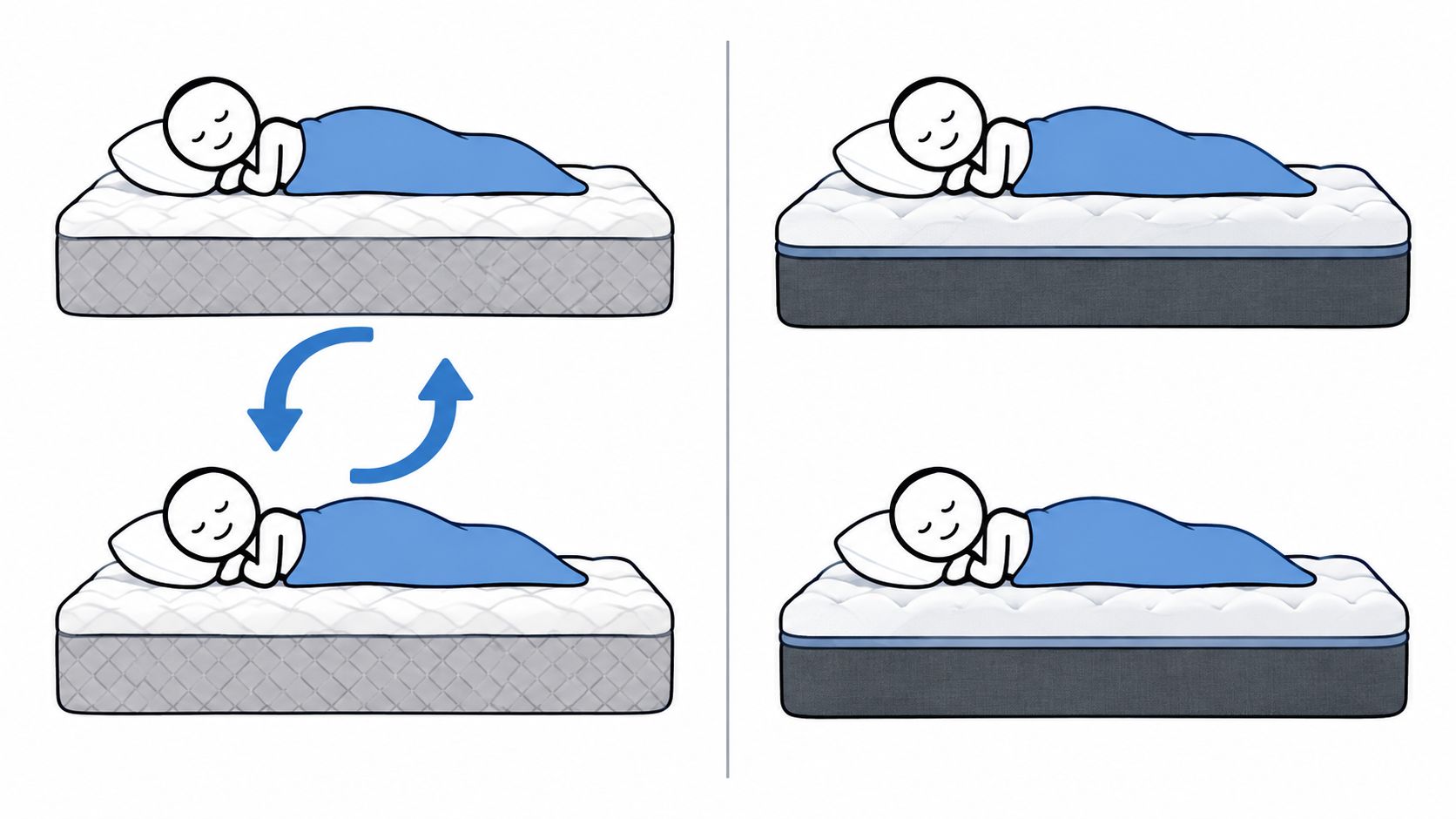
Couples often discover the limitation of a conventional reversible mattress during testing. One partner may be heavier or sleep on the back, while the other sleeps on the side and needs more cushioning at the shoulder and hip. Flipping changes the feel for both partners at the same time, so it can't independently customize each half of a standard mattress.
A useful trial process looks like this:
- Test each surface separately. Spend enough nights on one side to notice pressure and spinal comfort outside a quick showroom visit.
- Record each sleeper's position. Note whether side, back, or stomach sleeping creates sinking, pressure, or arching.
- Compare morning feedback. Shoulder soreness, hip pressure, and lower-back tension reveal more than a firmness label.
- Choose the shared compromise. Select the surface that supports both bodies acceptably, rather than maximizing one sleeper's preference.
Research-based mattress-satisfaction work emphasizes that comfort is multidimensional and should be assessed across individual users and sleep conditions. That perspective is especially valuable for couples shopping in Ruidoso or Lincoln County.
Active mountain sleepers
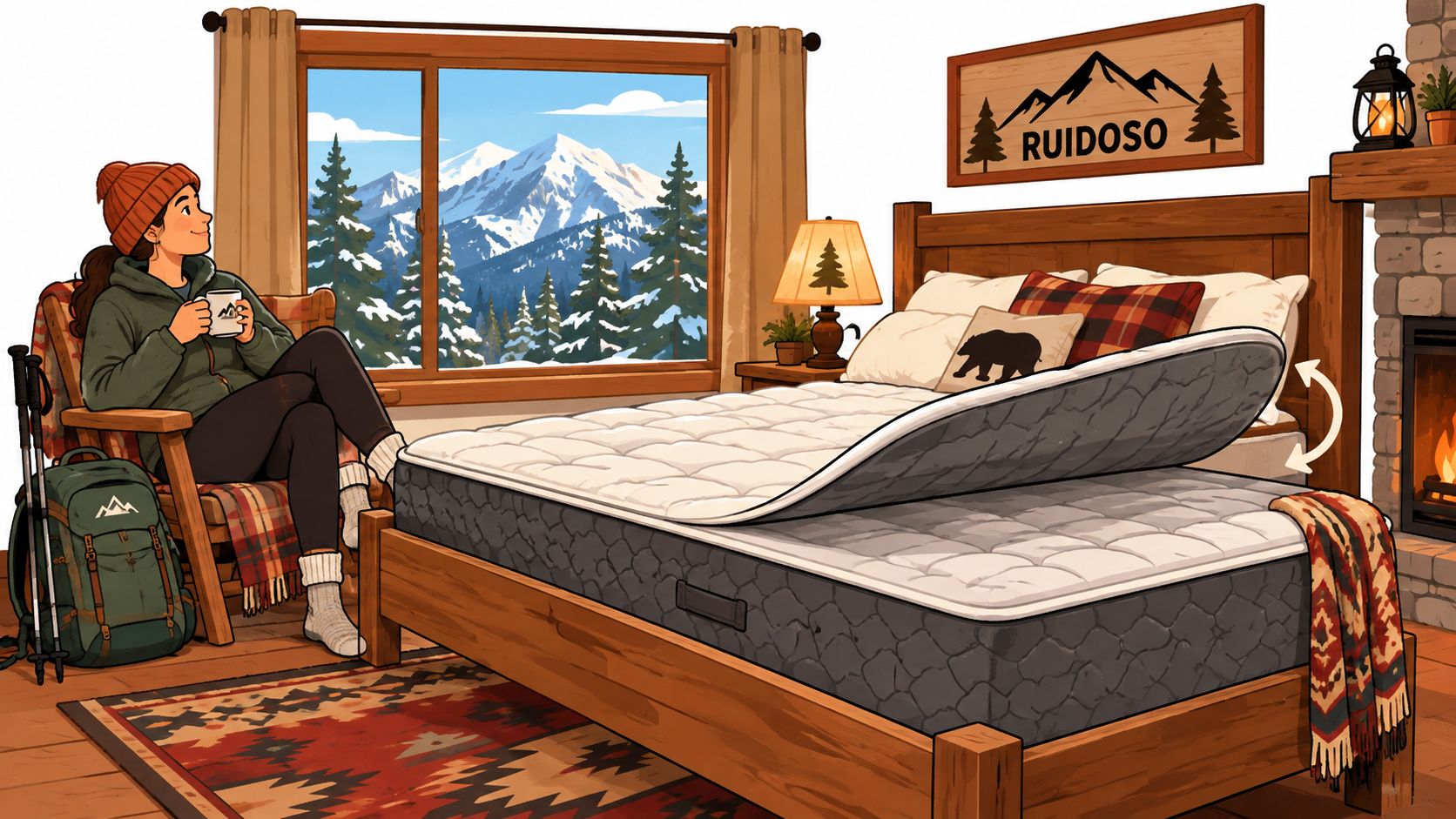
A day on uneven trails, long walks, or outdoor work can make pressure relief feel less like a luxury and more like recovery equipment. A reversible mattress gives an active sleeper another approved comfort profile when the usual surface no longer feels right.
Ruidoso's dry mountain climate also creates a practical cooling concern. Foam contouring may feel inviting, while breathable covers, responsive coils, and cooling gel technology can help a sleeper who dislikes a warm sleep surface. The test should focus on relaxed muscles and neutral alignment, not just the first few seconds of softness.
Vacation rental and cabin owners
A rental mattress serves changing guests, body types, and sleeping positions. A two-sided construction can offer a maintenance advantage because wear doesn't remain concentrated on one face, provided the care instructions allow both flipping and rotation.
Cabin owners should also prioritize straightforward inspection. Both surfaces can be checked for uneven settlement, edge wear, and damage during turnover. This mattress guide for rental properties can support a broader purchasing decision centered on durability, comfort, and practical upkeep.
Health-conscious shoppers
People managing back or neck concerns should avoid choosing by hardness alone. The surface needs to relieve pressure while keeping the spine comfortable in the sleeper's normal position. A flippable design is worth considering only if each side passes that test.
Your Flipping and Maintenance Schedule
A flippable mattress lasts better when wear gets shared instead of piling up in the same spots night after night. For couples, that matters when one side of the bed carries more weight or one partner always sleeps hotter and sinks in a bit more. For vacation rentals, it matters even more. Guest turnover can wear a mattress unevenly fast if the same surface and same end of the bed take all the pressure. As covered in this guide on how often to rotate your mattress, rotation and flipping work together when the mattress is built for both.
A practical care routine
- Check first: Read the care label before you move anything. If the mattress has only one sleeping side, rotate it only.
- Clear the bed: Strip off sheets, protectors, toppers, and anything nearby that could catch or tear.
- Rotate end-to-end: Move the head of the mattress to the foot of the bed while keeping the same side facing up.
- Flip only when approved: Turn it over only if both sides are designed for sleeping.
- Inspect both sides: Check for body impressions, loose seams, moisture, or a foundation that no longer sits level.
- Use help: Heavier mattresses are safer to move with two people.
A simple seasonal reminder helps. In Ruidoso, that can line up with cabin prep, guest turnover, or the change from warm weather bedding to winter layers. The exact timing still comes from the manufacturer, because materials and construction vary.
A protector helps with daily care, too. It guards the cover from dust, spills, and perspiration, which is especially useful in a family home, guest room, or rental cabin. It cannot fix worn comfort layers or a weak base, but it does make regular upkeep easier and helps you catch problems before they become expensive.
How to Find Your Perfect Mattress in Ruidoso
The best showroom visit begins with useful questions, not a rush toward the softest bed. A shopper considering a mattress you can flip should evaluate each side as a separate sleep surface and bring the household's real needs into the conversation.
Questions worth asking before purchase
- Is this mattress really two-sided? Ask whether both faces contain usable comfort layers.
- How does each side feel? Confirm the firmness and intended sleeping positions for each surface.
- What does the care label require? Get clear instructions for flipping, rotating, cleaning, and foundation support.
- Will it work with an adjustable base? Compatibility must be confirmed with both the mattress and base manufacturers before purchase.
- How does the construction manage heat? Compare foam contouring, coil airflow, covers, and cooling gel technology.
- What happens if the choice feels wrong at home? A trial and comfort policy can reduce the fear of making an expensive mistake.
A mattress comparison chart can help organize those answers, but written specifications can't replace lying in the position used at home. Side sleepers should check shoulder and hip pressure. Back and stomach sleepers should watch for excessive sinking or arching.
Local guidance matters
A bed-in-a-box website can provide measurements and descriptions, but it can't observe how two partners settle into a surface together. A local Sleep Pro can compare Tempur-Pedic, Sealy, Stearns & Foster, and Sherwood options while considering body type, sleep position, budget, Ruidoso's climate, and the demands of a vacation rental.
Miller Waldrop's 70-year family legacy is built around local care in Ruidoso, from Sudderth Drive through Alto and across Lincoln County. The Comfort Promise addresses the fear of picking the wrong bed, while the Low Price Promise and Full-Service Delivery with Professional Setup add practical peace of mind to the purchase.
Mattress Pro by Miller Waldrop offers local guidance for couples, active mountain sleepers, and cabin owners comparing a mattress you can flip with modern one-sided designs. Visit Mattress Pro by Miller Waldrop to test the options with Sleep Pros and find a surface that supports better mornings in Ruidoso.