

Best Mattress for Pressure Point Relief: A Ruidoso Guide


You go to bed tired, but you wake up feeling like you hauled firewood all night. Your shoulder is tender. Your hip feels bruised. Your lower back is tight before your feet even hit the floor. Around Ruidoso, I hear that story all the time from neighbors who assumed soreness was just part of getting older, staying active, or sleeping in a mountain town where cold nights make any bed feel decent for the first few minutes.
Most of the time, the problem isn’t you. It’s the mattress under you.
That’s where online “bed-in-a-box” shopping often misses the mark. A screen can’t tell you whether your shoulder is dropping too hard into the surface, whether your hips are staying level, or whether the bed feels good for five minutes but wrong after twenty. Pressure point relief is personal. It depends on how you sleep, where you hurt, and how your body meets the mattress.
For generations, families in Ruidoso and across Lincoln County have trusted Miller Waldrop for home comfort. That matters here. A family business with a 70-year legacy learns something the internet never does. Your bed isn’t a trend purchase. It’s the difference between dreading the morning and getting up ready to enjoy the day.
If you’re trying to find the best mattress for pressure point relief, start with the body you have, not a marketing headline. That’s how our Sleep Pros approach it on Sudderth Drive, and it’s how you avoid buying the wrong bed twice.
Table of Contents
- Your Mornings Shouldn’t Hurt Waking Up to a Better Sleep
- Understanding the Source of Your Pressure Points
- Matching Mattress Materials to Your Body’s Needs
- How to Test a Mattress Like a Sleep Pro in Our Showroom
- Buying with Confidence The Miller Waldrop Promises
- Start Your Journey to Pain-Free Mornings Today
Your Mornings Shouldn’t Hurt Waking Up to a Better Sleep
A sore shoulder in the morning usually doesn’t start in the morning. It starts at midnight, when your mattress pushes back in the wrong places and gives way in the wrong places. By sunrise, your body has been fighting pressure for hours.
That’s especially common for side sleepers. One hip and one shoulder carry a lot of the load, and if the mattress can’t cushion those areas without letting the rest of the body fall out of line, you wake up stiff and irritated instead of rested. Back sleepers run into a different problem. They may not feel sharp pressure in the shoulder or hip, but they can still wake up with tension because the bed isn’t supporting the natural shape of the body well.
Practical rule: If your pain eases after you get moving but comes back every morning, your mattress deserves a hard look.
I’ve seen plenty of folks from Alto to the middle of town come in convinced they need “something softer.” Sometimes they do. Sometimes a softer bed makes the problem worse because the hips sink too far and the lower back starts doing extra work all night. That’s why the best mattress for pressure point relief isn’t just soft. It’s pressure-relieving and supportive at the same time.
What works is matching the mattress to your sleep position, build, and comfort preference. What doesn’t work is guessing from a website photo, reading a handful of generic reviews, and hoping a boxed mattress will somehow fit every shoulder, hip, and back in Lincoln County.
A good bed should help you wake up ready for church, work, hiking, or a slow morning with coffee, not make you plan your first stretch before your first step.
Understanding the Source of Your Pressure Points
Pressure points usually tell a clear story if you know how to read them. The ache itself matters, but where you feel it matters even more.
Where pressure usually starts
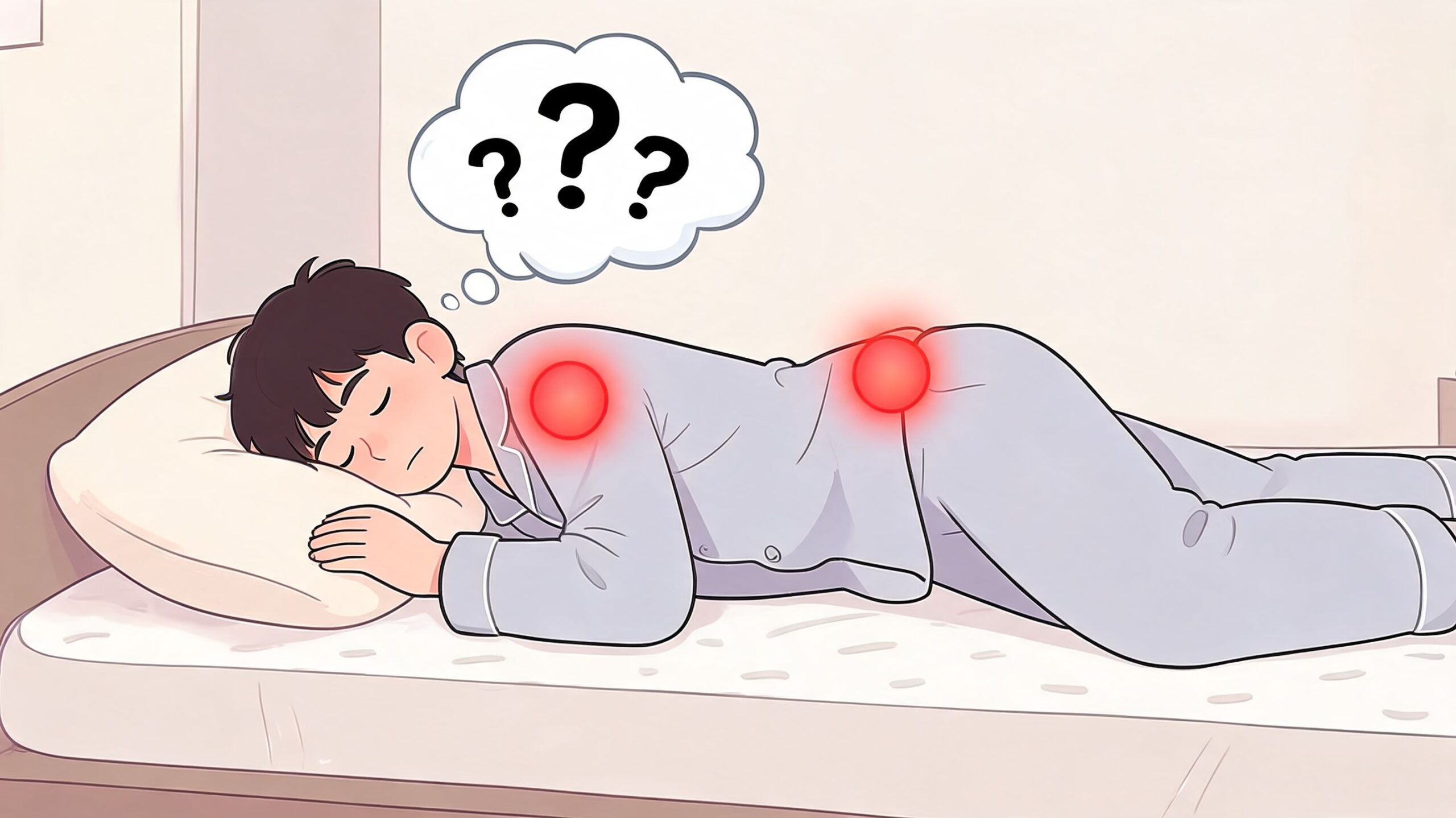
If you’re a side sleeper, the shoulder and hip usually speak first. Those are the widest points of the body, so they press hardest into the mattress. When the surface is too firm, those joints take the hit directly. When it’s too soft without enough support underneath, your body can sag and twist.
Back sleepers usually notice discomfort in a different pattern. The pressure may show up around the tailbone, upper shoulders, or lower back because the mattress isn’t supporting the body evenly from head to toe. Stomach sleepers often deal less with classic pressure points and more with strain, especially if the midsection sinks and pulls the spine out of a healthy position.
Combination sleepers have their own challenge. A bed might feel fine in one position and wrong the moment you roll. That’s why responsiveness matters for some people almost as much as cushioning.
Here’s a simple way to think about it:
- Side sleeping: Watch for sore shoulders, tender hips, or numb arms.
- Back sleeping: Watch for lower back tightness or a heavy feeling across the shoulders.
- Stomach sleeping: Watch for a strained lower back or a neck that feels cranked.
- Changing positions often: Watch for brief sharp spots when you move, or a feeling that the bed doesn’t keep up with you.
Why support and alignment matter just as much
Pressure relief and alignment belong together. If a mattress cushions your shoulder but lets your torso drop too far, you traded one problem for another. If it holds you up firmly but doesn’t allow your hips and shoulders to settle in, the contact points get overloaded.
That’s why spinal position matters. If you want a deeper look at that connection, our guide on how to align your spine while sleeping breaks down what proper support should feel like in real life.
A mattress should let the heavier parts of your body settle enough to feel cushioned, but not so much that the rest of your body has to compensate.
In our dry mountain air here in Ruidoso, some sleepers also notice they wake up more restless when they get warm and start shifting around. More movement can mean more irritation on the hips and shoulders. That’s one reason breathable designs and balanced support matter so much for active sleepers in this area.
Matching Mattress Materials to Your Body’s Needs
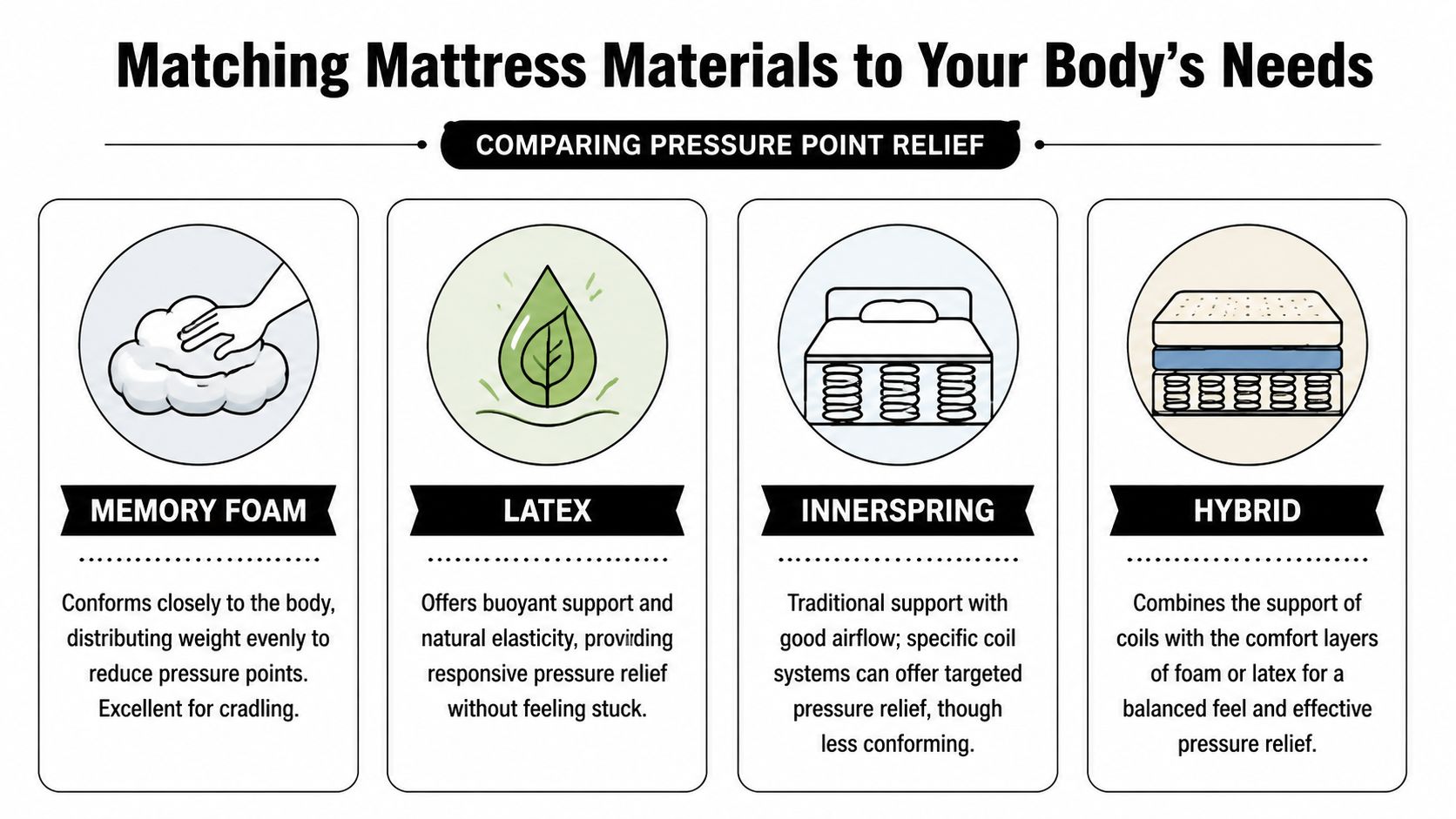
Material changes everything. Two beds can feel similar for the first minute, then perform very differently once your body has settled into them. Such performance variations make the search for the best mattress for pressure point relief more practical.
Memory foam and Tempur-Pedic for deep contouring
Memory foam has earned its place in this conversation for a reason. Memory foam mattresses reduce peak interface pressures by 25% to 40% compared to innerspring models when measured with XSENSOR pressure mapping, according to this pressure relief overview. That happens because memory foam changes shape in response to heat and pressure, contours closely to the body, and spreads weight more evenly.
In plain language, it hugs where you need cushioning most. That’s often a strong match for:
- Side sleepers with sharp shoulder or hip pain
- People with sensitive joints who need a gentler surface
- Sleepers who like less bounce and more cradling
Tempur-Pedic is the brand many people think of first in this category, and for good reason. It’s known for a close, body-conforming feel that can take the edge off pressure better than a traditional spring bed.
But there’s a trade-off. Memory foam usually responds more slowly than a coil-based bed. If you change positions a lot, you may notice a brief delay as the surface readjusts. Some sleepers love that secure, settled feel. Others feel restricted by it.
Hybrid mattresses from Sealy and Stearns & Foster for balance
A hybrid combines a comfort layer on top with a coil system underneath. For a lot of people in Ruidoso, this is the sweet spot. You get cushioning near the surface, but you also get pushback and airflow from the coil unit.
Hybrids often work well for:
- Combination sleepers who don’t want to feel stuck
- Back sleepers who want support with some pressure relief
- Warm sleepers who need better airflow in our mountain climate
Sealy and Stearns & Foster both fit well into this part of the conversation. Sealy hybrids often appeal to shoppers who want dependable support and a balanced feel. Stearns & Foster usually draws people who want a more refined surface feel with substantial underlying structure.
If you’re comparing categories, our page on what a hybrid mattress is gives a helpful overview of how these beds are built and who tends to like them.
Here’s the simplest comparison:
| Mattress type | Pressure relief feel | Ease of movement | Airflow feel |
|---|---|---|---|
| Memory foam | Deep contouring | Lower | Lower to moderate |
| Hybrid | Balanced contouring | Higher | Moderate to higher |
| Innerspring | Lighter cushioning | High | Higher |
If your biggest complaint is a sharp shoulder or hip, start by testing contouring. If your biggest complaint is feeling trapped or overheated, test hybrids early.
Traditional innerspring and Sherwood for a firmer simpler feel
Innerspring beds still have a place. Some people prefer the familiar lift, stronger edge feel, and easier movement they offer. Sherwood is often a practical option for shoppers who want straightforward support and a traditional mattress feel.
For pressure point relief, though, classic innerspring models usually have limits. They tend to conform less closely than memory foam, which means more force can stay concentrated at the shoulder and hip. That doesn’t make them wrong for everyone. It just means they usually aren’t the first place I’d send a side sleeper with sensitive joints.
Where innerspring can work:
- Stomach sleepers who need a flatter, firmer surface
- Sleepers who dislike sink-in comfort
- Guest rooms or cabins where a broad, traditional feel matters more than specialized contouring
One practical note from the showroom floor: don’t confuse “firm” with “supportive.” A bed can feel hard and still fail at pressure relief. A bed can also feel plush on top and still support you well underneath. That’s why material and construction matter more than the word on the tag.
One option some local shoppers use during the selection process is Mattress Pro by Miller Waldrop, where pressure mapping can help show how different surfaces interact with your body before you buy. That kind of side-by-side testing is often what helps people understand why one bed feels calming and another feels irritating after a few minutes.
How to Test a Mattress Like a Sleep Pro in Our Showroom
Buying for pressure relief without testing properly is where a lot of mistakes happen. People sit on the corner, bounce once, and decide. That tells you almost nothing.
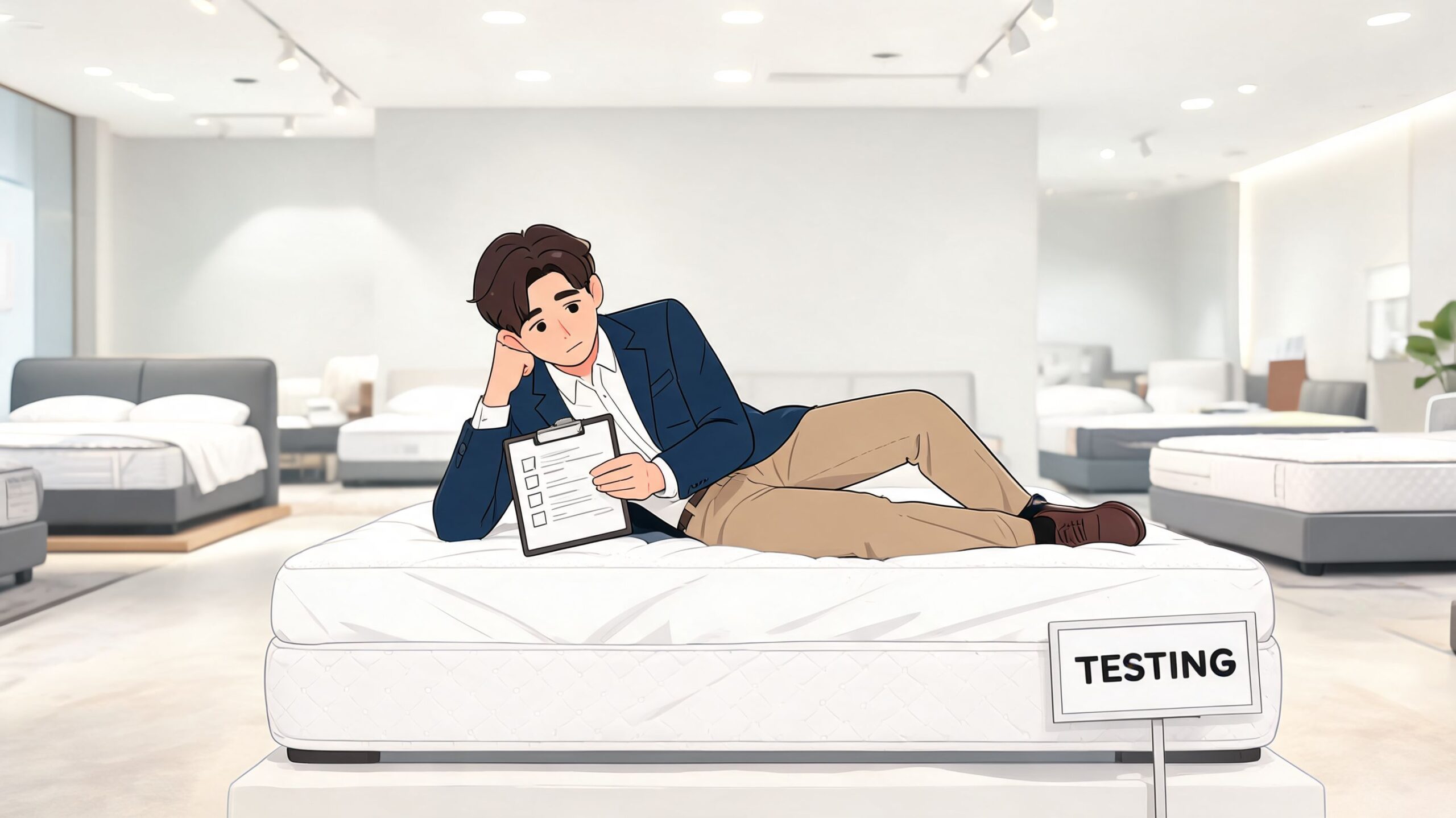
What to do before you lie down
Come dressed like a normal person, not like you’re headed to a wedding or a work meeting. Stiff jeans, boots, heavy coats, and bulky belts can hide what the mattress is really doing.
Before you test, know your main complaint. Don’t just say, “I need a better bed.” Say, “My right shoulder goes numb,” or “My hip aches when I sleep on my side,” or “I wake up with a tight low back.” That gives the test a purpose.
If you want a little extra prep before visiting, these tips for buying a new mattress can help you walk in with the right questions.
What to notice while you test
Lie down in your real sleep position, not the polite version. If you sleep curled up on your side at home, do that in the showroom. If you sprawl on your back, do that instead.
Then pay attention to these signs:
Shoulder feel
Does your shoulder settle in, or does it feel jammed upward?Hip feel
Does the mattress cushion the hip without making the waist or lower back feel unsupported?Lower back contact
Is there a gap that feels unsupported, or a dip that feels like you’re folding into the bed?Ease of movement
When you roll, does the surface adjust with you, or do you feel stuck for a moment?Heat and airflow
After a few minutes, does the bed start feeling stuffy?
A good pressure-relieving mattress doesn’t just feel soft. It feels even.
Showroom advice: Stay on the bed long enough for your body to stop “posing.” The first impression matters, but the settled impression matters more.
What online shopping can’t show you
Online stores are built around convenience, not diagnosis. They can ship quickly, but they can’t watch your shoulder line, your hip position, or the way your lower back reacts when you roll from side to back.
In person, a Sleep Pro can notice things you may not feel right away. Maybe your shoulder is still carrying too much pressure. Maybe your hips are dropping farther than you think. Maybe the bed that felt “plush” at first is creating strain.
That’s the difference between trying mattresses and testing them. On Sudderth Drive, that hands-on process matters because the wrong mattress doesn’t just cost money. It costs sleep.
Buying with Confidence The Miller Waldrop Promises
Most mattress shoppers aren’t afraid of buying a mattress. They’re afraid of buying the wrong mattress. That’s a reasonable concern, especially when pressure point pain is involved. What feels promising in the store can still make you nervous if you’ve been disappointed before.

The Comfort Promise removes the fear
The strongest safety net is the one that addresses the biggest worry directly. That’s what the Comfort Promise is built to do.
If you’re trying to solve shoulder pain, hip pain, or recurring morning stiffness, peace of mind matters. You shouldn’t feel like one decision locks you into years of regret. The Comfort Promise gives shoppers a way to move forward without feeling cornered by the choice.
That’s one of the biggest differences between a local sleep store and a faceless website. You’re not left alone with a tracking number and a mattress on your porch. You’re working with people who want the fit to be right.
The Low Price Promise keeps you local and confident
A lot of folks in Ruidoso and Alto assume they need to drive out of town for value. You don’t. The Low Price Promise helps remove that pressure too.
That matters because mattress shopping is already full of second-guessing. If you’ve found the right support, the right comfort level, and the right feel for your body, you shouldn’t have to wonder whether staying local means paying more. Confidence is easier when the pricing side feels settled.
Three benefits stand out here:
- You save time: No need to chase deals in a bigger city.
- You shop with clarity: The focus stays on fit and comfort, not deal-hunting fatigue.
- You keep support local: If questions come up later, the store is still here in your community.
Full-Service Delivery with Professional Setup finishes the job right
A mattress doesn’t solve much if it’s delivered badly, set up on the wrong foundation, or left in plastic while you wrestle it into place. Full-Service Delivery with Professional Setup matters more than people think.
That’s especially true for heavier premium models from Tempur-Pedic, Sealy, and Stearns & Foster. These aren’t impulse purchases. They’re sleep systems. Proper setup helps make sure the bed starts out the way it’s meant to perform.
“A box on the porch is delivery. A bed set up correctly in your home is service.”
For many of our Lincoln County neighbors, that service is what turns a stressful purchase into a smooth one. You get a mattress chosen with guidance, protected by real promises, and installed by people who know what they’re doing. That’s how you lower the odds of buyer’s remorse.
Start Your Journey to Pain-Free Mornings Today
The right mattress can change the tone of your whole day. When your shoulder isn’t throbbing, your hip isn’t angry, and your back isn’t stiff before breakfast, everything gets easier. You move better. You think clearer. You enjoy the morning again.
A better process leads to a better mattress
If you remember only a few things, remember these:
- Know your pain pattern. Shoulder, hip, lower back, or a mix tells you where to start.
- Match the material to the problem. Deep contouring and balanced support don’t feel the same.
- Test the mattress honestly. Your real sleep position matters more than a quick sit on the edge.
- Reduce the risk. A Comfort Promise, local guidance, and proper delivery all matter.
Finding the best mattress for pressure point relief usually isn’t about chasing the most expensive model or the softest top. It’s about finding the bed that supports your body without punishing your joints.
Why local help still matters
In a place like Ruidoso, local knowledge still counts. People here deal with changing seasons, cool nights, dry air, active days, and homes that range from family houses to vacation cabins. A one-size-fits-all recommendation doesn’t respect any of that.
If you want to talk through your sleep concerns with someone nearby, you can contact our team and start with a real conversation instead of a quiz and a checkout page.
After 70 years of serving this community, the lesson is simple. People sleep better when they’re listened to. Good mattresses matter. Good guidance matters too.
Ready to transform your sleep? Visit our Sleep Pros at Mattress Pro by Miller Waldrop. Our showroom is located at 2801 Sudderth Drive, Suite F, in Ruidoso. From luxury brands to budget-friendly solutions, we’re here to help you wake up loving your mornings. Browse our collection online or stop by Monday through Saturday.