

How to Clean Memory Foam Mattress Topper: Expert Tips


A memory foam topper usually feels like a sleep saver until something lands on it. Coffee before sunrise, a pet accident during the night, or a damp spot that seems small until it spreads. That's when many people in Ruidoso make the same mistake. They treat it like regular bedding.
That approach can ruin the foam faster than the stain. Memory foam needs a lighter hand, better moisture control, and more patience than a standard pad or cover. For homeowners in Alto, cabin owners across Lincoln County, and families dealing with everyday messes, the goal isn't just getting the spot out. The goal is cleaning it without trapping moisture deep inside the topper.
Table of Contents
- Why Your Memory Foam Topper Needs Special Care
- Your Essential Cleaning Toolkit and Preparation
- The Step-by-Step Guide to Spot Cleaning Stains
- Deodorizing and Freshening Your Topper Naturally
- Handling Major Spills and Knowing When to Replace
- Your Long-Term Care and the Miller Waldrop Promise
Why Your Memory Foam Topper Needs Special Care
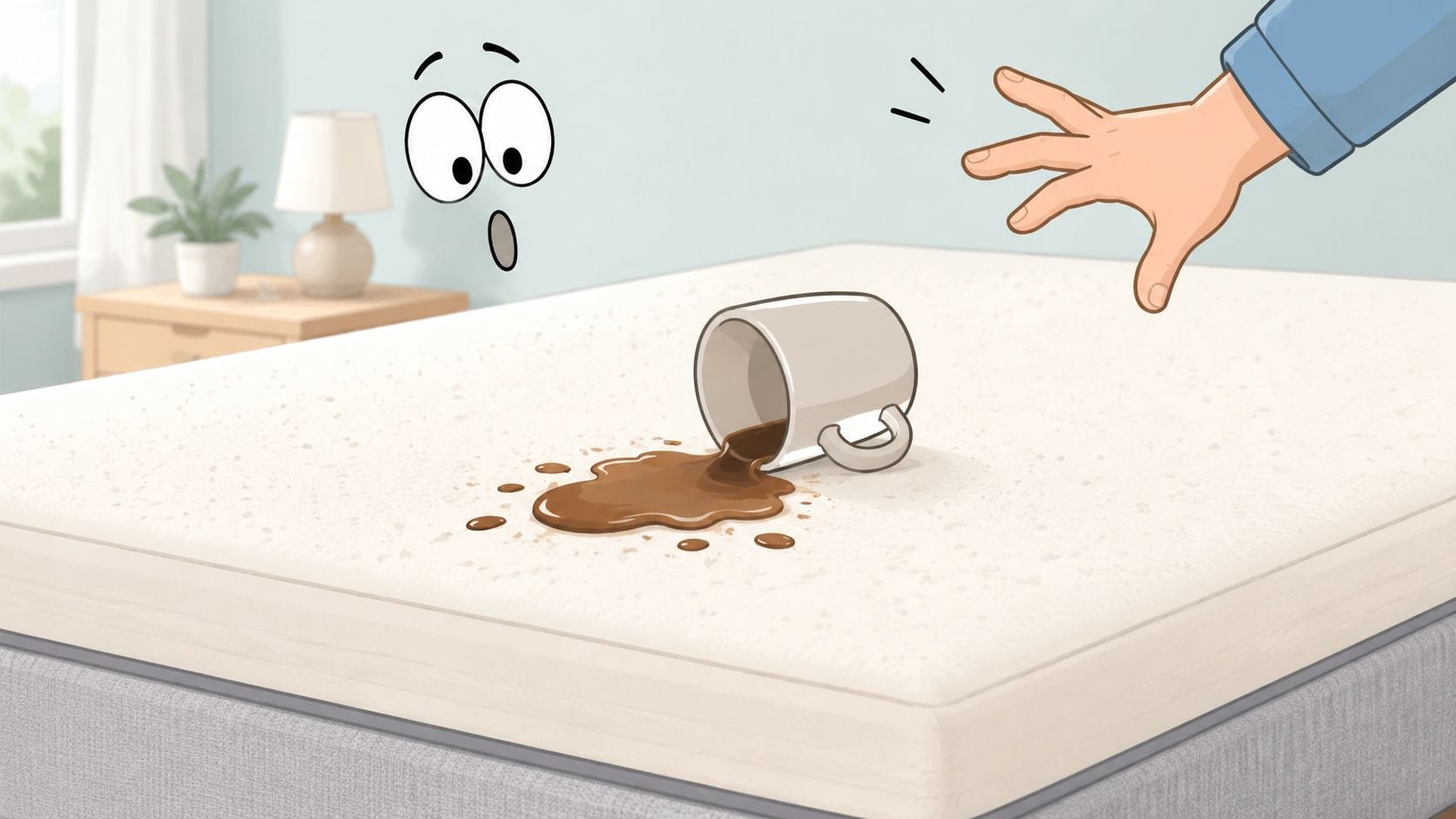
A coffee mug tips over before sunrise. The top looks like a simple surface spill, but ten minutes later the foam has already pulled moisture below the fabric line. That is the part many generic cleaning guides miss.
Memory foam needs a lighter touch because it is built to compress, contour, and absorb pressure. The same open structure that makes sleep more comfortable also lets liquid move inward fast and dry slowly. If you want a clearer picture of how the material behaves, this guide to what memory foam mattresses are and how they feel helps explain why cleaning has to stay controlled.
In Ruidoso, that matters even more. Mountain weather shifts, cooler nights, and tighter indoor air during parts of the year can leave a topper feeling dry on top while the middle still holds moisture. I have seen that lead to lingering odor, a stiff patch in the foam, or a topper that never quite feels the same again.
Why foam reacts differently
Liquid does not stay neatly on the surface of memory foam. It wicks down into the foam cells, then spreads wider than the stain you can see.
That changes the job. The primary goal is not just getting rid of the mark. It is limiting how far moisture travels, then making sure the topper dries all the way through.
Pressure is another factor. Scrubbing hard, soaking one spot, or pressing down with a wet cloth can push contamination deeper. A small drink spill can become a large drying problem in a hurry.
Practical rule: Use the least moisture possible, disturb the foam as little as possible, and treat drying time as part of the cleaning job.
The rules that protect the topper
Safe cleaning usually comes down to a few habits that prevent bigger problems later:
- Blot, do not rub: Rubbing spreads the spill and forces it deeper into the foam.
- Treat the exact area: Full saturation creates long dry times and raises the risk of trapped moisture.
- Stick with mild cleaners: Strong chemicals can break down foam and leave residue behind.
- Dry past the point that feels dry: Surface dryness is not enough, especially in cooler or less ventilated rooms.
Homeowners must make a smart call. A few drops, a pet accident, and a large spill are not the same problem, and they should not be handled the same way. The topper can often be saved, but only if cleaning stays measured and moisture control stays front and center.
Your Essential Cleaning Toolkit and Preparation
Cleaning usually goes better when the first few minutes are calm. Scrambling for towels after the spill has already spread is how a manageable stain turns into a soaked section.
What to gather before touching the stain
A practical kit for how to clean a memory foam mattress topper doesn't need specialty products. It just needs the right basics.
- Clean dry cloths: Use several, because one cloth gets saturated fast.
- Vacuum with a soft brush attachment: Surface debris should come off before any damp cleaning starts.
- Plain white vinegar: A diluted vinegar-and-water mix is commonly used for spot treatment.
- Mild clear liquid detergent: A small amount in water works for general stain cleaning.
- Spray bottle: Helpful for light application instead of pouring.
- Baking soda: Useful for deodorizing and drawing out lingering moisture.
A breathable layer above the topper prevents many of these problems in the first place. This guide to the hidden benefits of a mattress protector is worth reading before the next accident happens.
How to prepare the topper for safe cleaning
Start by removing all bedding, including the protector if one is on the bed. If the topper has a removable cover and the care label allows separate cleaning, set the cover aside and treat the foam on its own terms.
Then place the topper on a flat, clean surface if possible. That gives better access and helps prevent liquid from settling in one compressed spot.
Before any stain treatment, vacuum the surface thoroughly. In Lincoln County homes, that first pass matters because dust, pet hair, and grit can mix with moisture and get pushed into the foam during cleaning.
Vacuuming first solves a problem most people don't notice. It removes what would otherwise become mud inside the foam surface.
Preparation also helps with judgment. Once the bedding is off and the topper is exposed, it's easier to tell whether the problem is a small spot, a widespread damp area, or a contamination issue that may need more than routine cleaning.
The Step-by-Step Guide to Spot Cleaning Stains
A topper usually gets stained at the worst time. A late-night drink tips over, a pet accident gets missed until morning, or a guest room bed sits damp longer than anyone realized. In Ruidoso, that last part matters. Cool nights and monsoon-season humidity can keep moisture in foam longer than people expect, so the goal is to clean the spot without driving liquid deeper.
For small stains, use the least moisture that will do the job. For larger wet areas, stop treating it like a spot problem and start judging whether the foam can dry fully and safely. That call saves more toppers than any cleaner does.
The safest order of operations
Blot first with a dry cloth. Press down and lift straight up. Keep rotating to a dry section so you are removing moisture instead of spreading it around.
Next, choose one cleaner. A small amount of mild detergent mixed with water works well for many everyday stains. A 1:1 mix of vinegar and water can help with odor-linked spots. Use one approach at a time so you can tell what is working and avoid loading the foam with extra liquid.
Apply the cleaner to the cloth, not straight onto the topper, unless the stain is broad and very light. The cloth should feel damp, not wet. Dab the stained area with short presses. Friction can rough up the foam surface and push the stain outward.
Then blot again with a fresh dry cloth.
Pause and check the area with your hand. If the foam feels only slightly damp on the surface, let it dry. If it still feels cool and wet after two light passes, stop adding cleaner and switch your attention to drying conditions in the room. Good airflow matters as much as stain treatment, especially in homes where windows stay closed for weather or smoke. These tips for maintaining a dust- and allergen-free bedroom also help create a cleaner, faster-drying sleep space.
Memory Foam Cleaning Solutions Dos and Donts
| What to Use (The Dos) | What to Avoid (The Don'ts) |
|---|---|
| Vacuum with a soft brush attachment before treatment | Machine washing the foam |
| A lightly damp cloth for spot dabbing | Soaking the topper |
| Diluted mild detergent solution | Pouring cleaner directly onto the stain |
| A 1:1 vinegar-and-water mix | Aggressive scrubbing |
| Careful blotting between passes | Heat-based drying methods |
| Full drying before reuse | Putting bedding back on while damp |
A stain may need more than one light round. That is normal. Memory foam holds onto moisture, so patience beats force every time.
Use this quick framework:
- Fresh and small: Blot, dab lightly, blot again, then dry.
- Set-in but dry: Use a light repeat treatment and accept that some discoloration may remain.
- Wet area wider than the stain itself: Limit cleaning solution and focus on whether the topper can dry all the way through.
- Body-fluid spill, pet accident, or strong lingering odor: Clean the spot carefully, then decide whether the contamination reached too deep to trust.
That last judgment is where generic advice often falls short. A faint mark is mostly a cosmetic issue. A topper that stays damp inside the foam is a use issue, and sometimes a hygiene issue. If you cannot get the area clean and dry without saturating the material, preserving the foam matters more than chasing a perfect-looking surface.
Deodorizing and Freshening Your Topper Naturally
You strip the bed in the morning, and the topper looks fine. By evening, the room still carries that stale, slightly sour smell that says moisture is hanging around somewhere in the foam. In Ruidoso, I see this a lot in guest rooms, cabins, and homes where cool nights and closed windows slow the last part of drying.
How to use baking soda the right way
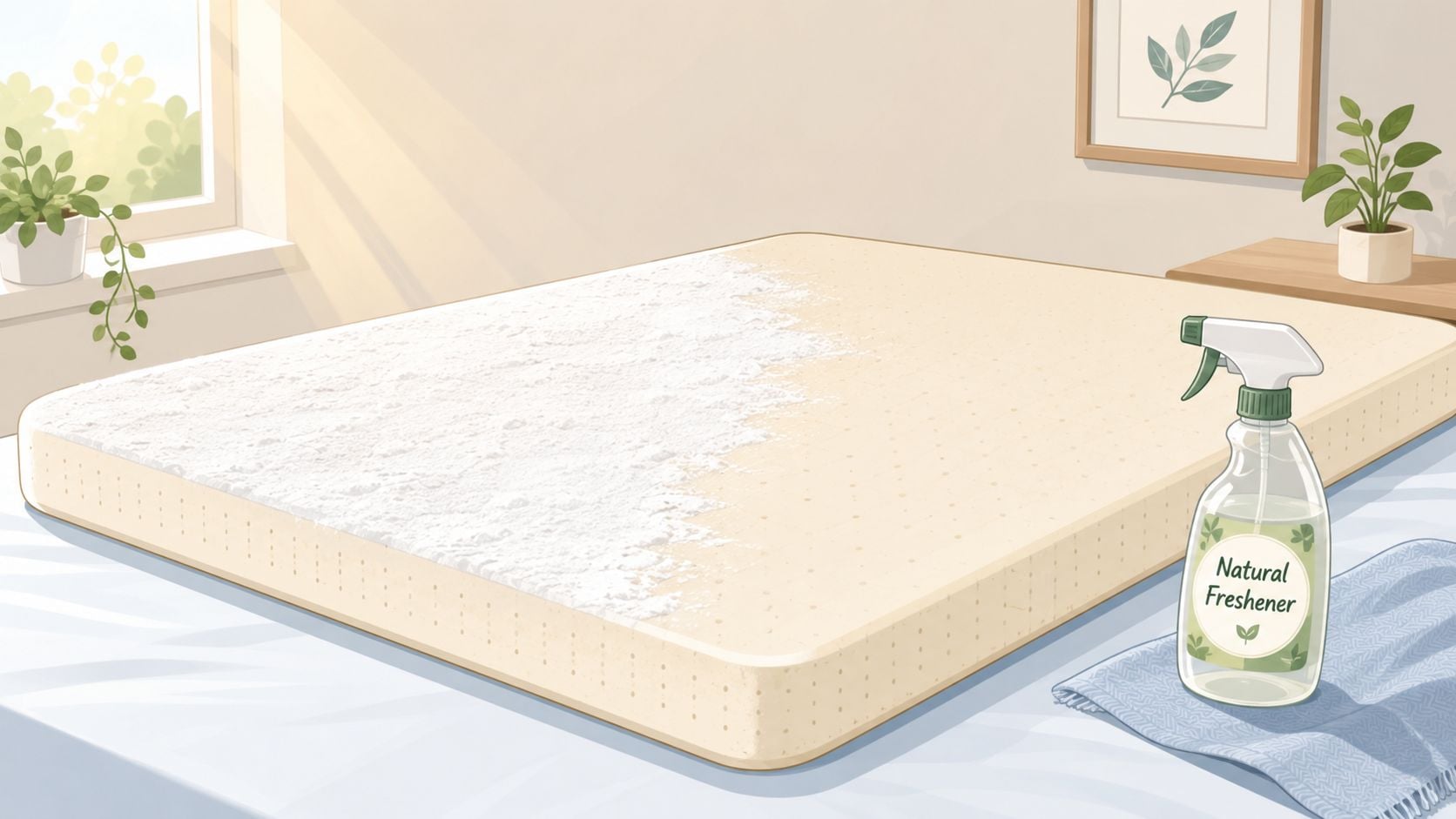
For routine odor removal, baking soda is the safest dry method for memory foam. It helps with sweat smell, closed-room mustiness, and light residual odor after a fully dried spot treatment. It does not sanitize deep contamination, and it will not fix foam that still holds moisture below the surface.
Use a light, even layer across the area that smells off. If the whole topper smells stale, treat the full surface instead of chasing one corner. Let it sit for several hours, or longer if the room is cool and still, then vacuum slowly with a soft brush attachment.
A few practical notes matter here:
- Keep the layer light: A heavy pile does not work better. It just takes longer to remove from the foam surface.
- Give it still time: Walking on it or remaking the bed too soon cuts down how much odor it can absorb.
- Vacuum in overlapping passes: Fine powder likes to cling to textured covers and foam peaks.
- Judge the result: If the smell drops and stays gone, freshening worked. If it returns by the next day, you are dealing with trapped moisture or a deeper spill history.
That last point saves people a lot of frustration. A topper can smell cleaner right after treatment because the surface improved. If the core still feels cool or damp, the odor often comes back once the bed is covered again.
Airflow decides whether freshening lasts.
In our mountain climate, dry days can help, but altitude does not guarantee fast drying indoors. Shaded rooms, monsoon afternoons, and tightly closed vacation homes can hold enough lingering moisture to keep odors alive. Set the topper flat in a well-ventilated room, use a fan to keep air moving across the surface, and wait until it feels consistently dry, not just dry on top.
A cleaner bedroom helps the topper stay fresh longer. These tips for maintaining a dust- and allergen-free bedroom are worth putting in place if odors keep building back between cleanings.
Avoid fabric sprays, strong fragrance boosters, or anything that adds more dampness just to make the room smell better for a few hours. Covering odor is different from removing it. With memory foam, dry and fresh is the goal.
Handling Major Spills and Knowing When to Replace
You strip the bed after a bad overnight spill, and the topper is wet well past the cover. That is the point where gentle surface cleaning advice stops helping. In Ruidoso, I tell people to make one decision first. Is this still a cleanup job, or has it become a moisture and sanitation problem inside the foam?
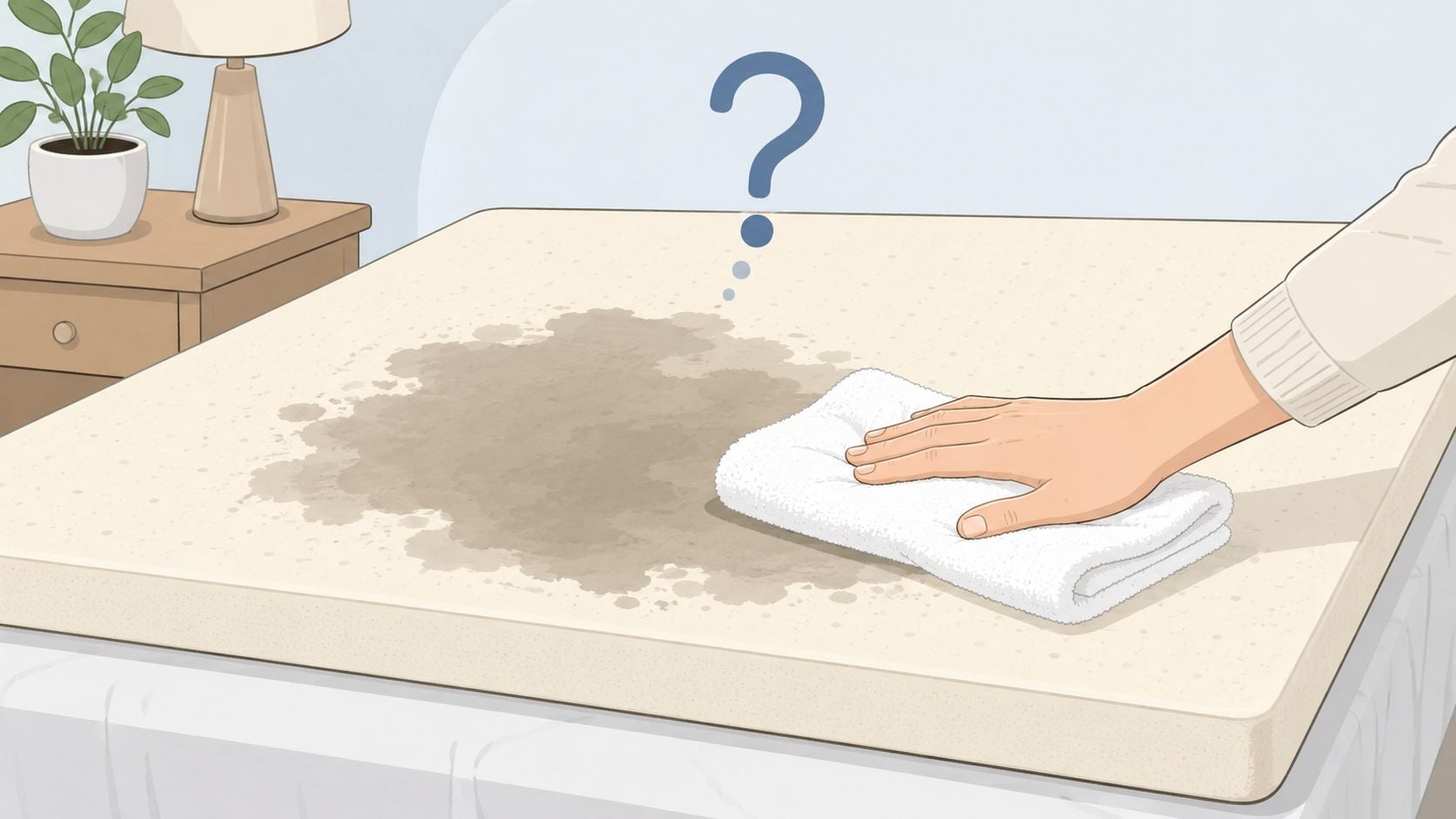
Memory foam can recover from a small surface spill. A deep soak is different because the center dries much slower than the top. In mountain homes, that matters more than people expect. Cool rooms, summer humidity, shaded bedrooms, and closed-up cabins can leave moisture trapped long after the surface feels passable by touch.
A practical decision framework for heavy spills
Start with the topper flat and uncovered so you can judge it accurately. Then check these four points.
- Depth: If liquid stayed near the surface, cleaning may still solve it. If it soaked into the foam core, risk goes up fast.
- Source: Plain water, tea, or coffee is simpler to address than urine, vomit, blood, or pet accidents.
- Size: A small isolated spot is one thing. A broad damp zone across the sleep area usually means slower drying and a higher chance of odor returning.
- Drying conditions: If you cannot keep steady airflow on it for long enough to dry the inside, the topper may never get completely clean in practical use.
That last point is where many people lose time. A topper can smell acceptable while it is open to the room, then turn sour again after you put sheets back on and body heat warms the foam.
When cleaning is still reasonable
Try to save the topper if the spill was limited, the foam still feels uniform, and you can dry it fully within a reasonable window. Press down with a clean towel in several places, not just the stained area. If the towel comes back cool and damp from the interior, keep treating it as an active moisture problem.
I also tell homeowners to trust their nose the next day, not just the first hour. Lingering musty or sour odor usually means the core is holding moisture or residue.
When replacement is the smarter call
Replace the topper if any of these are true:
- The foam stayed wet deep inside after cleanup
- Odor returns after drying and remaking the bed
- The spill involved heavy bodily fluid contamination
- The foam feels lumpy, brittle, sticky, or compressed after drying
- The affected area is large enough that you would not feel comfortable sleeping on it or offering it to a guest
For vacation properties, guest rooms, and busy family homes around Ruidoso, Alto, and Lincoln County, that judgment matters. A topper does not have to look terrible to be a poor one to keep. If it feels questionable, smells questionable, or dries unevenly, replacement is usually the safer and less frustrating answer.
Sometimes the topper is only part of the issue. If the mattress underneath also holds odor, sags, or has taken on moisture over time, this guide on when to replace your mattress will help you decide whether the whole bed needs attention.
If a topper ends up technically cleaned but still damp, unreliable, or unpleasant once the bed is made, replacement is the practical choice.
Your Long-Term Care and the Miller Waldrop Promise
The easiest way to clean memory foam is to avoid letting the foam take the hit in the first place. Most topper problems start above the surface, then work downward through sheets and into the material.
A maintenance routine that stays realistic
A good care routine doesn't need to be complicated.
- Use a breathable protector: It creates the first line of defense against spills and body moisture.
- Handle spots quickly: Fresh messes are easier to contain than old ones.
- Air the topper out occasionally: Especially after guest stays or seasonal use.
- Do a fuller cleaning on a schedule: Repeating a full cleaning process at least once every 6 months can help limit buildup of dust, dander, and odors, according to this mattress topper cleaning schedule guidance.
For homeowners who want to protect a new sleep setup from day one, a protector included through Mattress Pro by Miller Waldrop is one practical option when building out a bed system.
The broader care habit matters too. These mattress maintenance and cleaning tips to extend its lifespan support the topper, the mattress below it, and the overall sleep environment.
Local sleep help that goes beyond cleanup
Ruidoso sleepers don't shop the same way as someone in a big-box market. Mountain homes deal with dust, guest turnover, cabin use, changing temperatures, and a real need for practical advice. That's why local guidance matters.
The Miller Waldrop legacy has been built around helping neighbors make smart sleep decisions without the pressure of guessing wrong. The Comfort Promise helps reduce that fear. The Low Price Promise keeps value local. Full-Service Delivery with Professional Setup takes the strain out of getting a new sleep system in place correctly.
For many people, topper care starts as a cleaning question and ends as a comfort question. If the foam no longer feels supportive, no amount of stain treatment fixes that.
Ready to transform your sleep? Visit our Sleep Pros at Mattress Pro by Miller Waldrop showroom located at 2801 Sudderth Drive, Suite F, in Ruidoso. From luxury brands to budget-friendly solutions, we're here to help you wake up loving your mornings. Browse our collection online or stop by Monday through Saturday.