

Sleep Health Education: Achieve Your Best Rest


Some nights look perfect on paper. You go to bed at a reasonable hour, stay there for eight hours, and still wake up feeling foggy, stiff, or strangely unrested.
That's where a lot of people in Ruidoso, Alto, and across Lincoln County get frustrated. They assume the problem must be stress, age, screens, or just “sleeping badly.” Sometimes those factors matter. But often, the missing piece is simpler and more practical. You haven't been taught how sleep works, what supports it, and what in your bedroom may be working against you.
That's what sleep health education is for. Not as an academic phrase, but as useful knowledge you can apply tonight. It helps you connect the difference between time in bed and the quality of rest your body receives, especially when your mattress, room setup, and daily habits don't support real recovery.
Why Eight Hours in Bed Does Not Equal a Good Nights Sleep
A person can spend a full night in bed and still never settle into deep, restorative rest. The body may be shifting away from pressure points, reacting to trapped heat, or trying to stabilize a spine that isn't properly supported.
That's why “more time in bed” isn't always the answer. Better support, better comfort, and a better sleep environment often matter more than people realize.
Time in bed and quality of sleep aren't the same thing
A common pattern looks like this. You fall asleep fast because you're tired. Then you wake up with a sore shoulder, lower back tightness, or that heavy feeling that says sleep happened, but restoration didn't.
A worn mattress can create exactly that problem. If the comfort layers no longer cushion pressure points, or if the support core has softened unevenly, your muscles stay engaged through the night. You may not remember every toss and turn, but your body does.
Practical rule: If you wake up tired and achy after a full night in bed, don't only ask how long you slept. Ask what your body slept on.
Sleep quality also depends on stages of sleep cycling normally. Anyone trying to understand why those stages matter can get a clear overview in this guide to REM sleep and why it matters.
The bedroom can cancel out good intentions
People often work hard on bedtime discipline. They lower lights, stop caffeine late in the day, and keep a regular schedule. Those are smart steps.
But good habits can still lose to a bad setup. In Ruidoso, that might mean a room that gets too warm in summer, too chilly in winter, or too dry in the mountain air. It may also mean an older guest room mattress, a sagging primary bed, or a cabin setup that was chosen for appearance instead of support.
Here's the trade-off people run into:
- Cheap comfort can feel fine for a few minutes but fail during a full night of pressure relief.
- Firmness alone doesn't equal support because a mattress can feel firm on top and still let the hips dip too far.
- Softness can feel inviting at first but lead to misalignment if the support underneath isn't stable.
Sleep health education starts by teaching you how to tell the difference.
Understanding True Sleep Health Education
Sleep health education means learning what helps sleep, what disrupts it, and what changes make a difference. It isn't just about bedtime tips. It's about understanding the whole system around sleep so you can make better decisions for your body and your home.
Sleep health is a skill, not a mystery
Many individuals were never taught how to evaluate sleep the way they evaluate diet, exercise, or posture. They were told to “get more rest,” but not taught how support, temperature, timing, light exposure, and bedroom setup work together.
That gap is real at the professional level too. Globally, medical schools provide an average of just under 2.5 hours of sleep-specific content in their entire curriculum, and 27% report offering no sleep education at all, according to a survey of 409 medical schools across 12 countries published on PubMed.
That helps explain why many people get broad sleep advice but not much practical guidance about what to change in the room where they sleep.
For a plain-language overview, this article on what sleep health means is a helpful starting point.
What sleep health education includes
A useful sleep education framework usually covers a few core areas.
- Basic sleep physiology helps you understand that sleep isn't one flat state. Your body moves through different phases, and comfort problems can interrupt them.
- Sleep hygiene focuses on habits that support rest, like bedtime consistency, lower evening light, and reducing stimulation before bed.
- Sleep issue awareness helps you notice when a problem may be bigger than routine fatigue.
- Behavior change turns information into action. Small changes only help if they're realistic enough to maintain.
What works and what tends to fail
Sleep education works best when it moves from vague advice to specific decisions. “Sleep better” is too broad. “Reduce heat retention, support side-sleeping pressure points, and create a darker room” is useful.
What usually fails is advice that assumes every sleep problem is a discipline problem. Sometimes the issue isn't motivation. It's a mattress that has stopped supporting the body, a room that runs too hot, or a setup chosen without considering sleep position and body weight.
Sleep health education should help you identify the obstacle, not make you feel blamed for having one.
That's especially important for families in Lincoln County, where sleep conditions can vary a lot from one home, condo, or cabin to another.
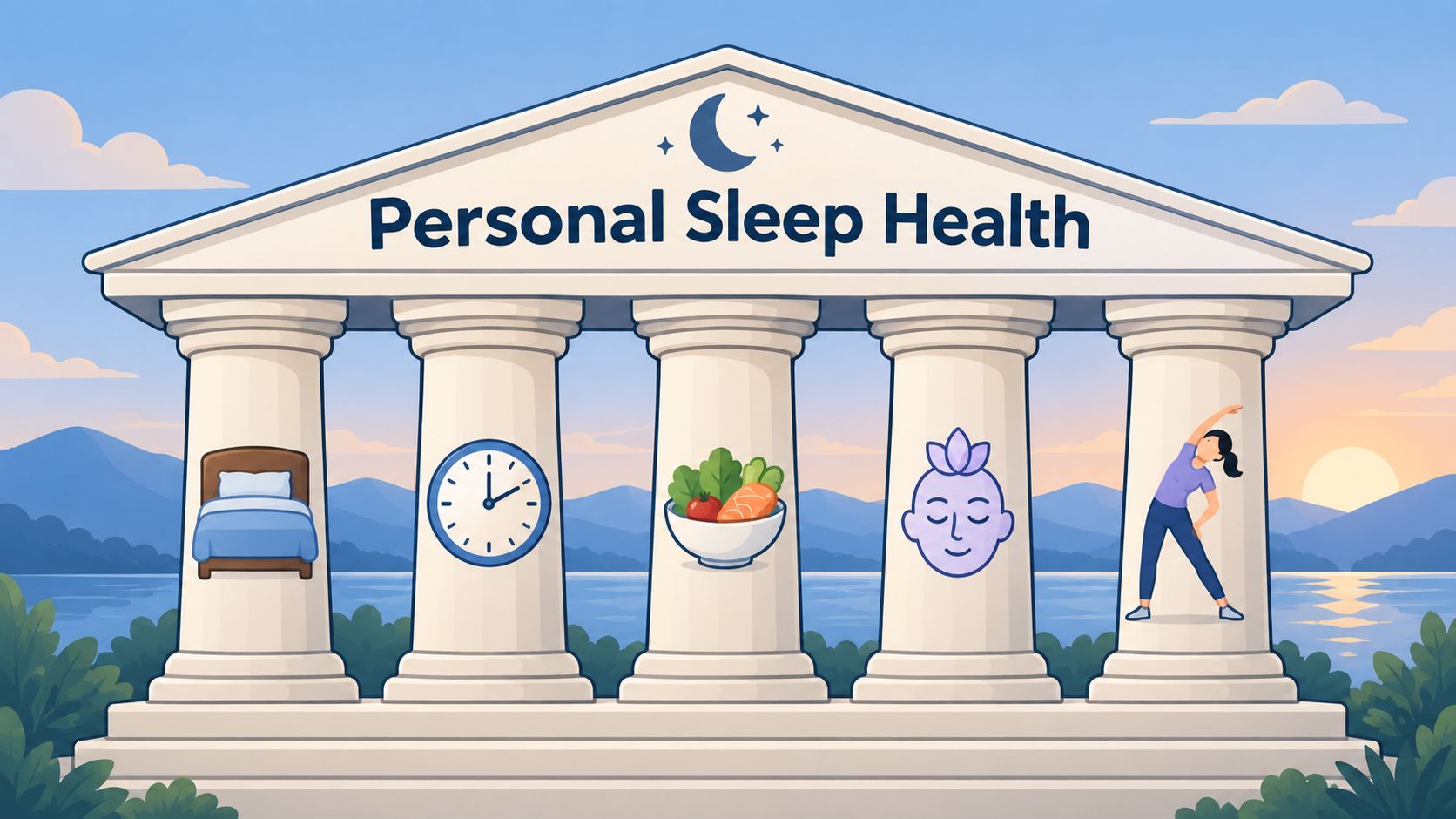
The Five Pillars of Your Personal Sleep Health
Good sleep usually stands on a handful of practical pillars. When one is weak, the others have to work harder. When several are off at once, people often say, “I'm sleeping, but I'm not recovering.”
Your sleep environment
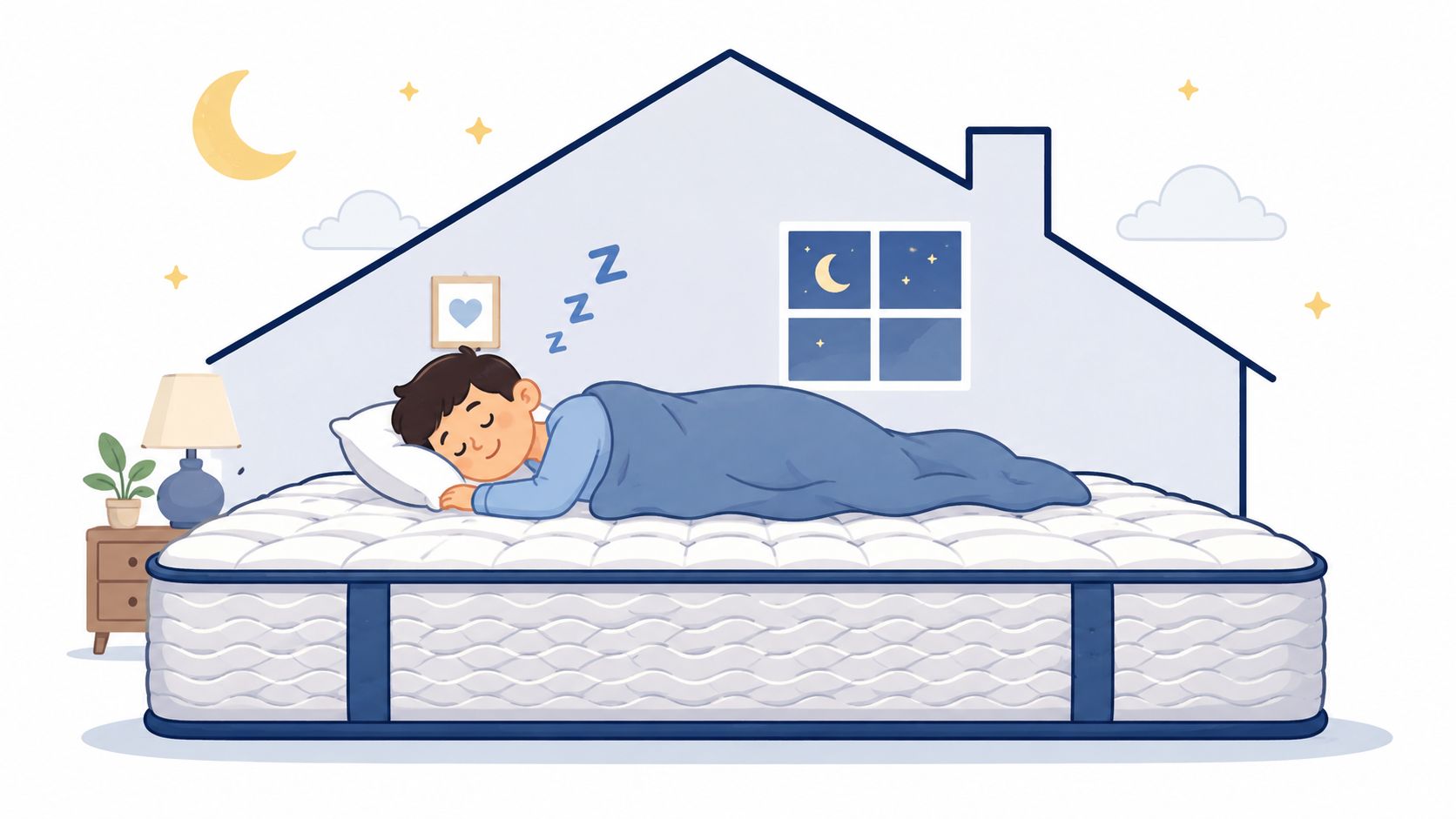
This is the first pillar because it affects everything else. The room can be dark enough, quiet enough, and cool enough, but if the bed underneath you creates pressure or poor alignment, sleep quality still drops.
That matters even more in mountain communities. Sleep health education often misses environmental determinism, meaning structural barriers like poor temperature control or noise that prevent adequate sleep. For residents in mountain regions like Ruidoso, where homes may lack modern insulation, this environmental gap is critical, as the AMA Journal of Ethics notes, because you can't adopt good sleep hygiene if your bedroom is physically hostile to sleep.
In practical terms, this pillar includes:
- Temperature control: Dry mountain air and changing overnight temperatures can make some bedrooms feel comfortable at bedtime and uncomfortable by early morning.
- Light control: Even a small amount of stray light can make it harder to settle fully.
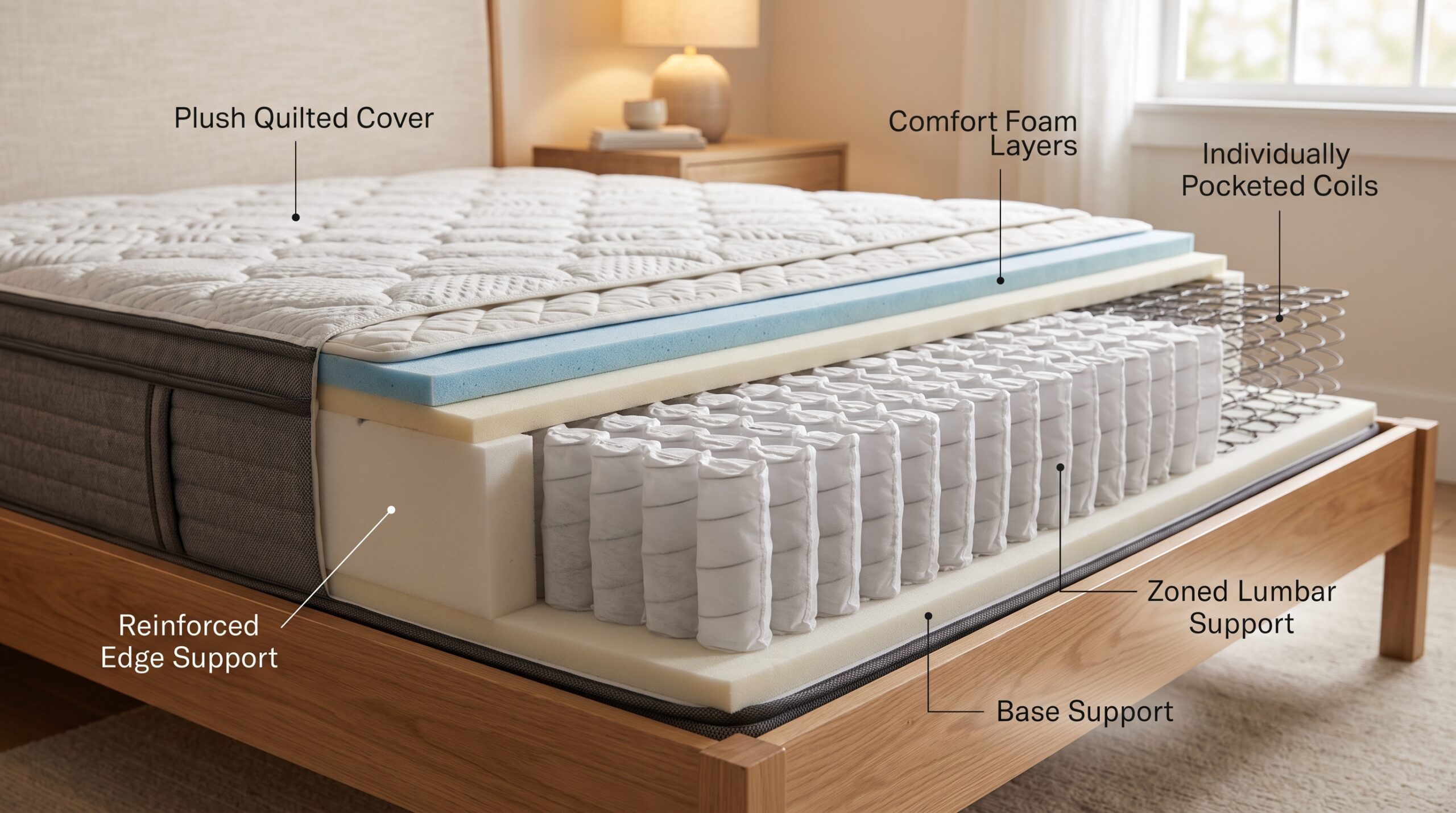
- Surface comfort: Your mattress is the largest physical factor in the room. It affects pressure relief, alignment, motion transfer, and temperature feel.
Your daily habits
This pillar is about rhythm. Bodies sleep better when days have some consistency.
A few examples matter most:
- Consistent timing: Going to bed and waking up on a stable schedule helps the body anticipate sleep.
- Evening wind-down: The brain doesn't switch from stimulation to deep rest instantly.
- Bedroom boundaries: If the bed becomes a place for scrolling, worrying, and half-working, the brain stops connecting it with sleep.
Your mental state
Stress doesn't always prevent sleep at the start of the night. Sometimes it shows up as restless sleep, frequent waking, or feeling alert the moment your head hits the pillow.
This pillar isn't about perfection. It's about lowering activation before bed. A calmer mind lets a comfortable mattress do its job more effectively.
A good bed can't solve a racing mind, but a bad bed often makes mental strain feel worse because the body never settles.
Recognizing sleep issues
Not every sleep problem is a mattress problem. That's important. Persistent snoring, repeated waking, or ongoing daytime exhaustion may need medical attention.
But many people ignore a simpler issue first. They've normalized shoulder pressure, hip numbness, or morning back tightness because the decline happened slowly. Recognizing those signs early can save months of poor sleep.
Building your support system
Better sleep gets easier when the people around you support it. That includes partners, parents, and even property owners furnishing guest spaces.
A support system can mean:
- Choosing a mattress together if two sleepers share one bed.
- Setting bedroom expectations around noise, screens, and temperature.
- Asking for expert help instead of guessing from marketing language alone.
How Your Mattress Is the Foundation of Good Sleep
Your mattress isn't a background detail. It is the surface that holds your spine for hours at a time, cushions pressure points, and influences how warm or cool you feel overnight.

What support actually means
Support doesn't mean hard. It means your body stays in healthier alignment while the mattress still relieves pressure.
For side sleepers, that usually means enough give at the shoulders and hips to reduce point pressure. For back sleepers, it means the lumbar area stays supported without forcing the spine into strain. For couples, it also means motion control matters because one sleeper's movement shouldn't constantly disturb the other.
This is where mattress construction matters:
- Memory foam models, including Tempur-Pedic, are known for close contouring that can reduce pressure buildup around shoulders and hips.
- Hybrid designs, such as many Sealy models, combine responsive support from coils with comfort layers that can help with pressure relief and airflow.
- Stearns & Foster often appeals to shoppers who want a more prominent feel with strong support and refined comfort layers.
- Sherwood can be a smart choice for shoppers who want dependable comfort at a more approachable budget.
Cooling, pressure relief, and spinal alignment
Ruidoso sleepers often talk about comfort in seasonal terms. Warm afternoons, cooler nights, and dry air can make temperature feel more noticeable in bed.
That's why cooling features aren't just marketing language when they're paired with the right support system. Gel-infused foams, breathable cover materials, and coil-based airflow can help some sleepers avoid the overheated, restless feeling that causes repeated position changes.
A mattress also has to match the body using it. Pressure relief without alignment can feel plush at first and punishing by morning. Alignment without pressure relief can leave arms, shoulders, and hips sore.
Anyone weighing the long-term value of the right bed can read more about why investing in a high-quality mattress supports long-term health.
When should you replace your mattress?
If your mattress is sagging, causing pain, sleeping hot, or no longer feels supportive, it's time to evaluate it seriously. Waiting too long often turns nightly discomfort into a normal routine.
American households typically replace their mattresses every 8–10 years, a timeline highlighted in this mattress longevity article as a useful checkpoint for spinal support and sleep quality.
A few signs matter more than a calendar:
| Sign | Why it matters |
|---|---|
| You wake up sore | The comfort layers or support core may no longer be doing their job |
| You roll toward the middle | Surface wear can distort alignment |
| You sleep better elsewhere | Your home mattress may be the problem |
| The edge feels weak | Structural breakdown can affect usable sleep space |
Actionable Sleep Tips for Your Family
Small changes can improve the bedroom quickly. The best tips are the ones you can keep doing, not the ones that sound impressive for two nights and disappear by the weekend.
For adults and couples
A practical reset usually starts in the room itself.
- Check the mattress first: If the bed feels uneven, too firm at the shoulders, too soft at the hips, or noticeably warmer than it used to, start there.
- Lower stimulation before bed: Dimmer light and less screen use can help the body settle into sleep mode.
- Use the bed for sleep, not overflow living: If the bed becomes a place for scrolling, snacking, and late-night work, your brain associates it with alertness.
- Pay attention to partner motion: If one person sleeps lightly, a mattress with better motion control can reduce unnecessary wakeups.
For more room-by-room guidance, these sleep hygiene tips can help turn general advice into concrete habits.
The most effective bedtime routine is the one your household will still be following next month.
For parents and caregivers
Children and teens often need more structure around sleep than families realize. A CDC analysis found that approximately 6 out of 10 U.S. middle and high school students don't get enough sleep on school nights, increasing their risk for obesity, poor mental health, and injuries, according to the CDC sleep guidance for youth and families.
That matters in everyday family life, especially when homework, sports, and phones push sleep later.
A few high-value habits:
- Set a reliable bedtime window: Predictability helps children wind down more easily.
- Create a media cutoff: Parent-set bedtimes and media curfews are associated with higher sleep duration in school-based sleep health education findings.
- Keep electronics out of bedrooms when possible: Evening light from devices can make it harder for teens to meet recommended sleep ranges.
- Evaluate the mattress in kids' and guest rooms too: Children grow, and an old hand-me-down mattress may no longer fit their support needs.
For vacation rental and cabin owners
Guest sleep affects how a stay feels. Even a beautiful room disappoints if the mattress sags, traps heat, or leaves guests sore.
Owners in Alto and Ruidoso often do better when they choose mattresses for broad comfort, edge stability, and temperature balance instead of picking only by price or showroom softness.
Building a Sleep Healthy Community in Ruidoso
A healthy sleep community doesn't start in a textbook. It starts when people have a place to ask practical questions and get clear answers about the room, the bed, and the habits affecting their rest.
Why local sleep guidance matters
Many people mention sleep concerns during routine healthcare visits and leave with broad advice. That isn't surprising. There is a significant provider literacy gap in sleep health, as medical school curricula often lack extensive training, which means patients frequently receive generic advice, as discussed in this provider literacy review.
That creates a practical need in communities like Ruidoso. People need support that is specific enough to act on. They need someone to ask whether their side-sleeping shoulder pain suggests a firmness problem, whether a guest room mattress is too old, or whether their cabin bedroom is too cold by early morning for steady rest.
What a local sleep hub should offer
A real community resource should do more than display mattresses. It should help residents make better decisions with less guesswork.
That kind of support includes:
- One-on-one consultation: Matching sleep position, body type, and comfort preference to the right mattress style.
- Education for families: Helping parents think through teen sleep, guest room setups, and shared-bed issues.
- Guidance for property owners: Choosing durable, comfortable beds for cabins and rentals in Lincoln County.
- De-risking the purchase: Reducing the fear of making the wrong choice with policies that support comfort after delivery.
People looking for that kind of guidance can start with a local sleep consultation in Ruidoso.
A mattress showroom should feel like a place to learn, not a place to get rushed.
Why local matters more than a box on the porch
Ruidoso homes aren't generic, and sleep needs here aren't either. Some households need cooling help during warmer months. Some need better support after years on an aging mattress. Some need a guest-room solution that works for a wide range of visitors. Others need full-service delivery and professional setup because wrestling a mattress through a mountain property isn't realistic.
That's where a local, family-owned business with a 70-year Miller Waldrop legacy serves the community differently. A nearby showroom on Sudderth Drive can answer questions, explain trade-offs, and back the purchase with the Comfort Promise, the Low Price Promise, and Full-Service Delivery with Professional Setup. That level of care is hard to match when the process begins and ends with a website.
Take the Next Step Toward Truly Restful Nights
Good sleep health education should lead to action. Once you understand that sleep quality depends on more than hours in bed, the next step becomes clearer. You look at the room, the routine, and especially the mattress.
Education also works best when it changes behavior. A validated sleep health education intervention significantly improved sleep knowledge and reduced poor sleep quality scores, as reported in this sleep health education study in Social Sciences. That matters because better sleep usually doesn't come from knowing more alone. It comes from changing the conditions that shape sleep every night.
For many people, the most important condition is the bed itself. If your mattress is worn, unsupportive, too hot, or wrong for your body, no amount of good intention will fully overcome it.
That's why a proper consultation matters. It helps narrow the field, compare options like Tempur-Pedic, Sealy, Stearns & Foster, and Sherwood, and reduce the fear of choosing wrong. The Comfort Promise addresses that fear directly. The Low Price Promise adds confidence on value. Full-Service Delivery with Professional Setup makes the change easy to complete, not just easy to talk about.
Ready to transform your sleep? Visit the Sleep Pros at Mattress Pro by Miller Waldrop showroom located at 2801 Sudderth Drive, Suite F, in Ruidoso. From luxury brands to budget-friendly solutions, they're here to help you wake up loving your mornings. Browse the collection online or stop by Monday through Saturday.