


10 Expert Sleep Hygiene Tips from a Ruidoso Pro


Your Guide to Restful Nights in the Mountains of Ruidoso
Living in Ruidoso means embracing an active mountain lifestyle, from hiking the trails of Lincoln County to enjoying our crisp, clear nights. But are you waking up ready to enjoy it? If you feel more tired than refreshed, you're not alone. A recent overview notes that 32.8% of adults in the United States don't get enough sleep, and that short sleep often tracks back to inconsistent routines and environmental disruption.
That hits close to home in Ruidoso, Alto, and across Lincoln County. Mountain air can feel refreshing, but dry conditions, cabin light leaks, seasonal schedule shifts, and sore muscles after hiking or skiing can all make decent sleep harder than it should be. Good sleep hygiene tips matter, but they work best when your bed is helping instead of fighting you.
Mattress Pro by Miller Waldrop has spent 70 years serving families who want more than a mattress dropped at the door. The Sleep Pros on Sudderth Drive focus on sleep first, with one-on-one guidance, the Comfort Promise to reduce the fear of choosing wrong, the Low Price Promise, and Full-Service Delivery with Professional Setup. This guide keeps it practical and local, with advice that fits life in Ruidoso and always comes back to the foundation of better rest: the right mattress.
Table of Contents
- 1. Maintain a Consistent Sleep Schedule
- 2. Optimize Your Sleep Environment Temperature
- 3. Create a Dark, Light-Controlled Bedroom
- 4. Limit Screen Time 1–2 Hours Before Bed
- 5. Avoid Caffeine After 2 p.m.
- 6. Support Your Body with the Right Mattress
- 7. Establish a Relaxing Bedtime Routine 30–60 Minutes
- 8. Avoid Large Meals and Alcohol 3 Hours Before Bed
- 9. Exercise Regularly But Not Close to Bedtime
- 10. Manage Stress and Practice Mindfulness
- 10-Point Sleep Hygiene Comparison
- Your Journey to Better Sleep Starts Here
1. Maintain a Consistent Sleep Schedule
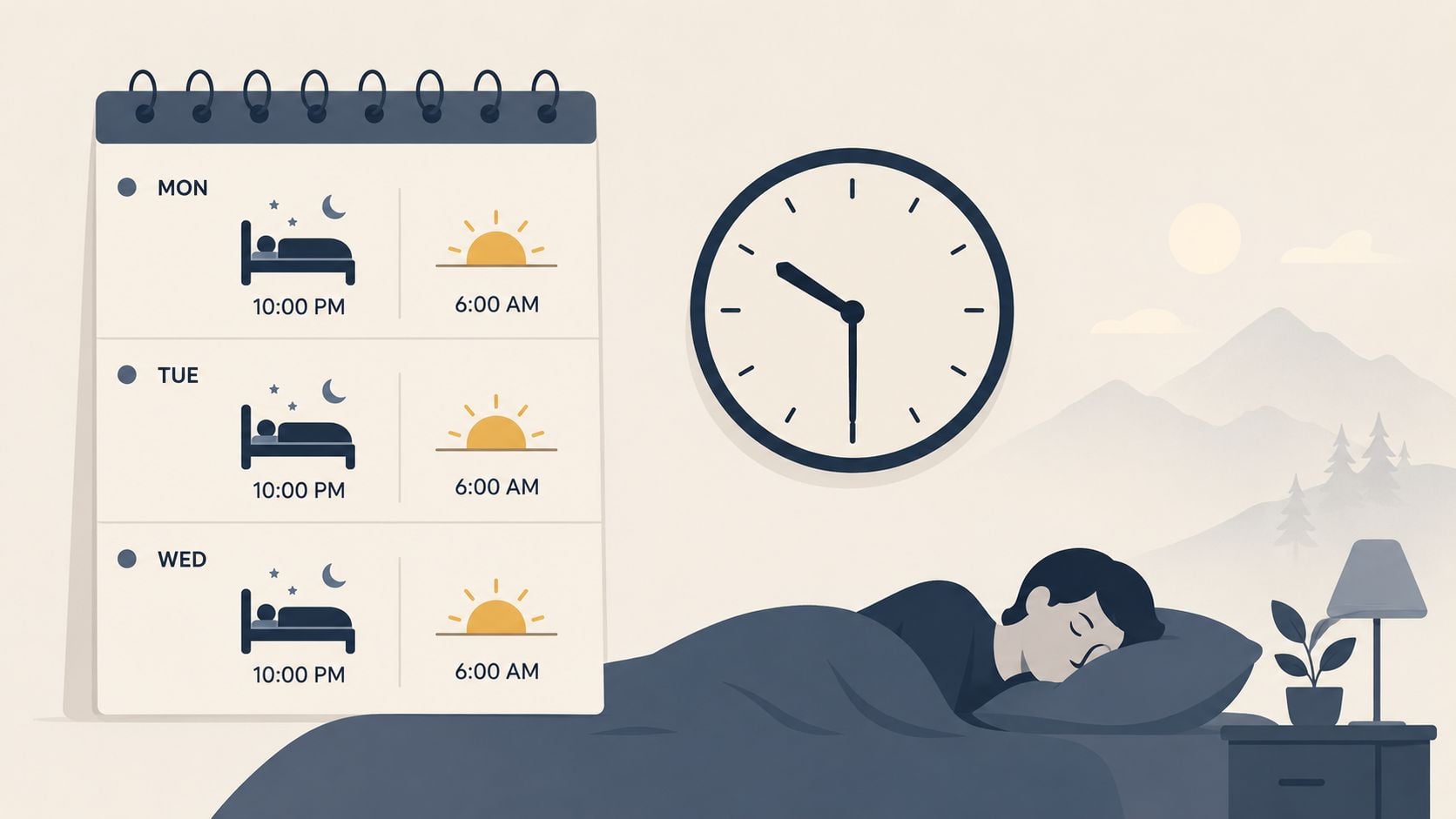
You feel it fast in Ruidoso. One late night at the casino, an early hike the next morning, then sleeping in on Sunday can leave you tired at bedtime and wide awake once your head hits the pillow. Your body runs on timing, and irregular hours can throw that timing off for days.
Set a bedtime and wake time you can keep most days of the week. If you need one anchor, protect your wake time first. Getting up at about the same time each morning helps your internal clock stay steady, which usually makes the next bedtime easier.
Why timing matters in the mountains
Mountain living gives you plenty of reasons to drift off schedule. Ski mornings start early. Summer events run late. Guests in town change the rhythm of the house. At our altitude, poor sleep can already feel sharper because dry air, busy days, and physical activity leave you needing real recovery, not just more time in bed.
Keep weekend sleep-ins modest. An extra hour may help if you had a short night. A major shift often backfires Sunday night and starts the week with that familiar tired-but-restless feeling.
A gradual adjustment works better than a hard reset. Move bedtime and wake time by small steps over several days, especially after travel, a holiday weekend, or a stretch of late nights.
The bed matters here too. A steady schedule is easier to keep when your mattress supports actual recovery instead of adding pressure points or motion disturbance that wake you up early. In our showroom, I often see this in active Ruidoso households. Someone who hikes, skis, or works on their feet keeps a better routine once the mattress stops fighting their body. That is one reason long-standing favorites like Tempur-Pedic and Sealy continue to come up in real conversations at Miller Waldrop. Good sleep habits work better on a mattress built to hold up its side of the job.
2. Optimize Your Sleep Environment Temperature
You feel it in Ruidoso after a long ski day or an afternoon hike. Your body is tired, but the bedroom stays stuffy, your feet get hot under the covers, and sleep turns light and broken. A cooler room usually helps because your body settles into sleep more easily when the bedroom is not fighting your natural nighttime drop in temperature. The Sleep Foundation notes that a bedroom around 65 degrees Fahrenheit is a good target for many adults.
That matters more in the mountains than some people expect. Our dry air, cool evenings, and quick temperature swings can make a room feel fine at bedtime, then too warm after an hour under heavy blankets. If you wake up sweaty at 2 a.m. and toss the comforter off, temperature is part of the problem.

Cool room, better recovery
Start with the room, then look at the bed. Set the thermostat lower at night if you can. If you do not have central control, lighter bedding, breathable sheets, and fewer layered blankets often make a noticeable difference in cabins and older homes around Lincoln County.
The mattress still has a big job. A heat-trapping sleep surface can cancel out a well-set room, especially for couples with different sleep temperatures.
- For hot sleepers: Tempur-Pedic models with cooling materials can help reduce heat buildup where your body meets the mattress.
- For balanced support: Sealy Posturepedic options often suit sleepers who want dependable alignment without a board-stiff feel.
- For cabin and guest rooms: Breathable protectors and moisture-wicking sheets help the surface stay more consistent through the night.
I see this often with active households here. Someone keeps the room cool, but an older mattress still sleeps warm and leaves them restless by morning. An in-store fitting is important for this reason. The Sleep Pros at Mattress Pro by Miller Waldrop can help you sort out cooling, support, and pressure relief together, which is usually the ultimate fix. The Comfort Promise also gives you some breathing room if you are trying to get the feel right.
3. Create a Dark, Light-Controlled Bedroom
Light at the wrong time tells your brain to stay alert. Sleep guidance is clear that you should avoid bright light and turn off electronic devices 30 to 60 minutes before bedtime to support melatonin production and sleep onset.
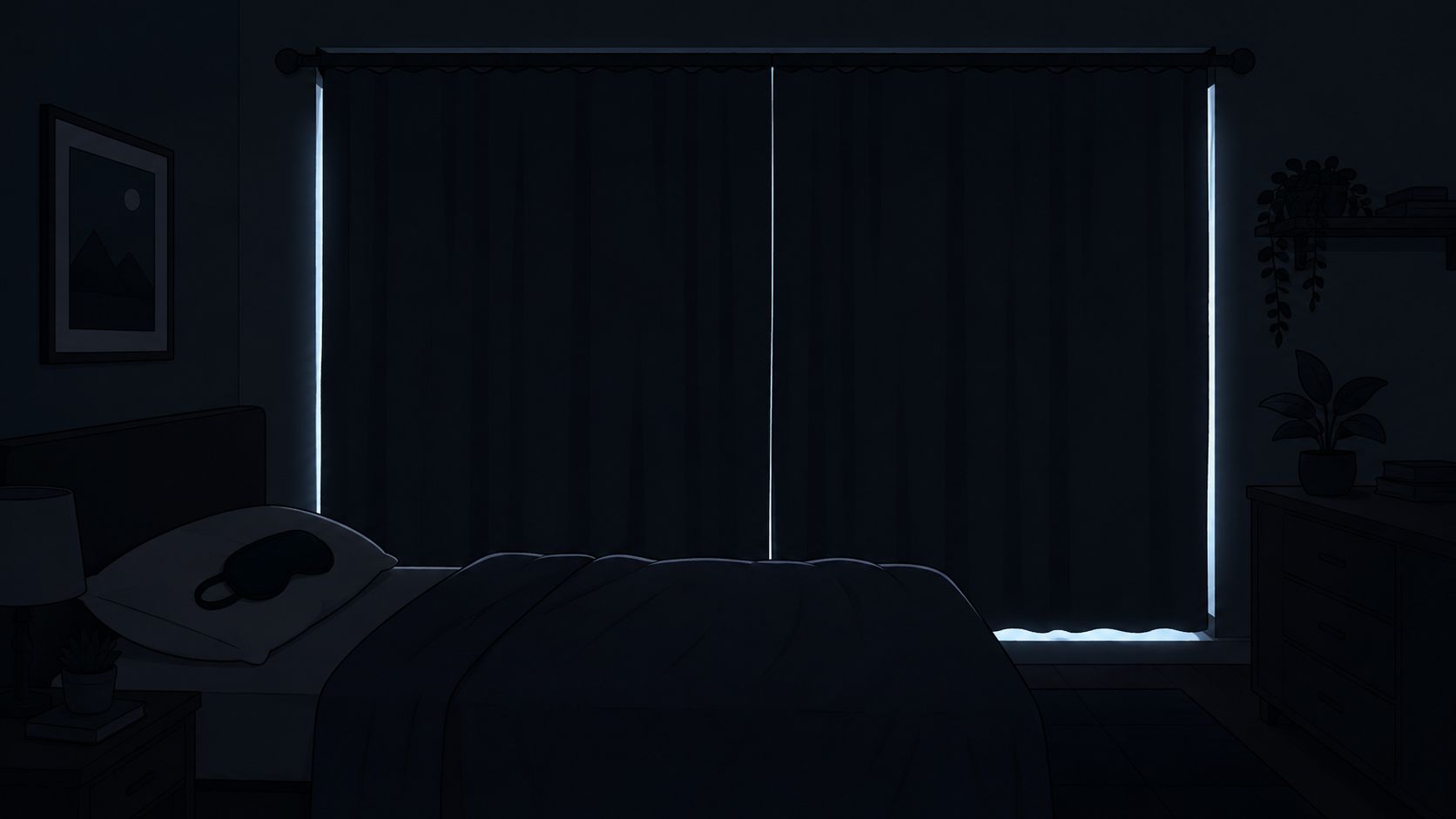
In a mountain town, darkness sounds easy until it isn't. Porch lights, dawn light through thin curtains, charging LEDs, and vacation-rental layouts can all chip away at rest.
Dark means truly dark
A sleep-friendly room should feel calm the second you walk in. If your eyes keep catching little points of light, the room isn't dark enough yet.
- Block window light: Blackout curtains or close-fitting shades help with early sunrise and nearby outdoor lighting.
- Cover small LEDs: Tape over bright indicators on chargers, alarm clocks, and power strips.
- Use a mask when needed: A good sleep mask is a practical fix for cabins, guest rooms, or shared sleeping spaces.
A premium mattress can't outwork a bright room, but it can remove the second problem. If light is fixed, discomfort shouldn't be what keeps you awake.
A homeowner near Sudderth Drive might handle the light issue with blackout shades, then realize the old mattress is now the main source of tossing and turning. That's often the moment a Stearns & Foster or Sealy upgrade starts to make sense, especially for sleepers who want a darker, calmer room and a bed that feels equally settled.
4. Limit Screen Time 1–2 Hours Before Bed
In Ruidoso, evenings often stretch longer than planned. You check tomorrow's trail conditions, answer a text, watch one more video, then climb into bed with a brain that is still in daytime mode.
Screens delay the wind-down process. The light and the steady stream of information can both push sleep later, especially if you already have a lot on your mind.
Build a digital cutoff you can actually keep
The goal is not perfection. The goal is to give your nervous system a quieter runway into sleep.
- Pick a firm screen cutoff: Set a time 1 to 2 hours before bed when phones, tablets, and laptops are finished for the night.
- Charge your phone outside the bedroom: Distance matters. If the device stays on the kitchen counter or dresser across the room, bedtime scrolling is less likely.
- Choose one replacement habit ahead of time: A paperback, light stretching, or a short journal entry works better than deciding in the moment.
- Use low-stimulation settings in the evening: Dim the screen, mute notifications, and avoid content that pulls you into problem-solving or emotional conversations.
I see this pattern often with active locals. After a day of hiking, skiing, or working on your feet, your body feels tired, but your mind stays switched on because the phone keeps feeding it input. That mismatch is one reason people say they are exhausted but still cannot fall asleep.
A better mattress will not cancel out late-night screen habits, but it does make the next step easier. Once the room is quieter and the phone is out of reach, your bed should help your body settle quickly, not add pressure, motion, or heat. That is where a well-made mattress from Mattress Pro by Miller Waldrop earns its keep. For many Ruidoso sleepers, pressure relief and steady support from options like Tempur-Pedic or Sealy help turn a good routine into sleep that holds through the night.
5. Avoid Caffeine After 2 p.m.
That 3 p.m. coffee can still be working against you at 10 p.m. Caffeine blocks the sleep pressure your brain is supposed to build through the day, and the Sleep Foundation's guide on caffeine and sleep explains why late intake can delay sleep and lighten it.
In Ruidoso, I see this a lot with people balancing early commutes, active jobs, school pickups, and outdoor time. You may feel the afternoon dip more at our altitude, especially if you are a little dehydrated after a dry day or a morning hike. Coffee feels like the fast fix. The trade-off is a body that looks tired at bedtime but does not settle well.
A simple cutoff helps. If you want to be asleep around 10 or 11, stop caffeine by 2 p.m. earlier if you know you are sensitive to it.
What to do instead of the late cup
Use a short reset that does not follow you into the night:
- Drink water first, because fatigue and dehydration often get confused here in the mountains.
- Step outside for 10 minutes of daylight and a brisk walk.
- Choose a non-caffeinated drink in the afternoon.
- Eat a light snack with protein and fiber if you have gone too long without food.
I have found that many people blame stress when the pattern is timing. You get through the afternoon, then lie awake wondering why your mind is still alert.
Your mattress still matters here, just in a different way. Cutting caffeine gives your system a fair chance to get sleepy on time. Then your bed needs to do its job by reducing pressure points and helping your body stay comfortable once sleep starts. For Ruidoso shoppers who want dependable support at a practical price, Sealy and Sherwood are often solid options at Mattress Pro by Miller Waldrop.
6. Support Your Body with the Right Mattress
If your mattress is sagging, too firm, too soft, or trapping heat, every other sleep hygiene tip has to fight uphill. This part isn't optional for people with back tension, shoulder pressure, or frequent overnight repositioning.
At Mattress Pro by Miller Waldrop in Ruidoso, the focus isn't just selling beds. The Sleep Pros match real bodies and sleep styles to real products from Tempur-Pedic, Sealy, Stearns & Foster, and Sherwood. That's where the local advantage shows up, especially when the Comfort Promise lowers the fear of picking the wrong bed.
Memory foam vs hybrid for sleep support
Memory foam and hybrid beds solve different problems.
Memory foam, especially Tempur-Pedic, contours closely around the body. That can reduce pressure at the hips and shoulders and help with motion isolation for couples. For side sleepers or people recovering after long hikes around Lincoln County, that deeper pressure relief often feels noticeably calmer.
Hybrids combine foam comfort layers with coil support. A Stearns & Foster hybrid can be a strong match if you want easier movement, a little more lift, and sturdy spinal alignment. That mix often works well for combination sleepers who change positions overnight.
- Side sleepers: Look for pressure relief around shoulders and hips.
- Back sleepers: Prioritize even lumbar support and neutral spinal alignment.
- Couples: Test motion transfer, edge support, and temperature feel together.
- Guest and rental owners: Choose durable comfort that suits a broad range of sleepers.
A shopper on Sudderth Drive may assume any new mattress is good enough. In practice, the right fit is what matters. Full-Service Delivery with Professional Setup also helps make sure the foundation and frame aren't undermining the mattress from day one.
7. Establish a Relaxing Bedtime Routine 30–60 Minutes
Your body needs a transition, not a crash landing. A pilot quasi-experimental study found that a 4-week sleep hygiene program with sleep education and Fitbit tracking improved sleep quality and reduced psychological worry among first-year college students.
That doesn't mean you need a wearable to sleep better. It does show that a structured routine works better than vague intentions.
A routine your body recognizes
A useful bedtime routine is repetitive, quiet, and easy to maintain. It should lower stimulation, not add another task list.
- Keep it short: Reading, gentle stretching, and light journaling are enough.
- Keep it familiar: Repeating the same sequence helps your brain associate it with sleep.
- Keep the room ready: Start the routine after the bedroom is already cool, dark, and comfortable.
A resident in Ruidoso who ends the day with tea, stretching, and ten quiet minutes in bed may find that the hardest part becomes consistency, not the routine itself. Once the mattress feels supportive and inviting, getting into bed stops feeling like a gamble. That's one reason many shoppers settle into Tempur-Pedic or Stearns & Foster after trying them in person.
8. Avoid Large Meals and Alcohol 3 Hours Before Bed
You can do a lot right and still sleep poorly if dinner lands too late.
A heavy meal close to bedtime keeps your body working when it should be settling down. Lying flat soon after eating can also bring on reflux, bloating, or that restless, overfull feeling that makes it hard to stay asleep. The practical fix is simple. Finish dinner about three hours before bed, and keep late snacks small if you must have one. Guidance from the National Institute of Diabetes and Digestive and Kidney Diseases on managing acid reflux symptoms supports avoiding meals close to bedtime.
Alcohol causes a different problem. It can make you sleepy at first, then disrupt the second half of the night with lighter, more fragmented sleep. Here in Ruidoso, that pattern shows up after late dinners out, a couple of drinks after skiing, or a long summer evening on the patio. At our altitude, people also notice dehydration faster, which can add dry mouth, overheating, or an early wake-up.
Give digestion time before you ask your body to sleep
The goal is not a perfect routine. The goal is fewer avoidable disruptions.
- Eat dinner earlier: If bedtime is 10:00, aim to finish the main meal by 7:00.
- Keep late meals lighter: Rich, spicy, and greasy foods are more likely to bother you after you lie down.
- Treat alcohol carefully: If you drink, keep it moderate and avoid making it the last thing your body has to process before bed.
I see this mistake often. Someone in Ruidoso has a late, heavy dinner, adds a drink or two, then assumes the mattress is the whole problem after a rough night. Sometimes the bed is part of it, but timing matters. Once you clean up evening eating and drinking, your mattress can do its job better. A supportive surface from Mattress Pro by Miller Waldrop, whether you prefer the pressure relief of Tempur-Pedic or the steadier support of Sealy, works best when your body is not still busy digesting.
9. Exercise Regularly But Not Close to Bedtime
Ruidoso gives you a natural advantage here. Hiking, skiing, walking, and outdoor chores all help build healthy sleep pressure. The mistake is doing intense activity too late, then wondering why the body still feels revved up at bedtime.
This topic doesn't need a complicated formula. Move regularly during the day, and let the final hours before sleep become quieter.
Use Ruidoso's lifestyle to your advantage
For many active sleepers in Alto and across Lincoln County, the best rhythm is morning or early afternoon exercise. That lines up well with daylight exposure and gives the body time to cool down before bed.
A practical example is a local hiker who finishes trail time earlier in the day, eats dinner on time, and then sleeps on a mattress that supports recovery instead of creating pressure. Tempur-Pedic can be a strong fit for sleepers who need contouring after long days on their feet. A Sealy hybrid may suit someone who wants a steadier, more lifted feel.
Evening movement isn't the problem. Hard evening exertion usually is.
Gentle stretching is different. If a late walk or easy mobility session helps you unwind, that can support sleep rather than disrupt it.
10. Manage Stress and Practice Mindfulness
You finally get into bed in Ruidoso after a full day, and your body is tired but your mind is still working. Tomorrow's errands, family logistics, road conditions, bills, and weekend plans keep running. At our altitude, dry air and an active lifestyle can already make recovery feel a little more demanding. Mental tension adds another layer.
Poor sleep habits and ongoing stress often show up together, as noted earlier. In practice, I see the same pattern over and over. You cannot expect the brain to settle if the nervous system is still on alert, and you will notice that even more if your mattress is also creating pressure points or making it harder to get comfortable.
Give your mind a landing place
Mindfulness works best when it is simple enough to repeat.
For some Ruidoso sleepers, that means five minutes of slow breathing before bed. For others, it means a short prayer, a body scan, or writing tomorrow's to do list on paper so it stops circling at midnight. The method matters less than consistency.
A few practical options:
- Write down tomorrow's tasks: This helps reduce the mental replay that keeps you alert.
- Use slow breathing: Try a steady inhale and a longer exhale for several minutes.
- Do a body scan: Notice where you are clenching your jaw, shoulders, hips, or low back, then release that tension on purpose.
- Keep the routine short: Five to ten minutes is enough if you do it regularly.
The mattress still matters here. Stress often settles into the body as tight shoulders, a clenched lower back, or restless shifting. If your bed adds pushback instead of relief, relaxation exercises have to work harder. A high quality mattress from Mattress Pro by Miller Waldrop gives these habits a fair chance to work because your body is not fighting the surface while your mind is trying to slow down.
That trade-off is real. A calming routine can help on almost any bed, but better support usually makes the results more noticeable and more consistent. After 70 years of helping families in this area, we have seen how often sleep improves when people pair a repeatable wind-down routine with a mattress that fits how they sleep. Tempur-Pedic can suit sleepers who carry tension and want closer pressure relief. Sealy can be a better fit for sleepers who want a more stable, lifted feel without that deep cradle.
Stress management does not need to be perfect. It needs to be repeatable.
10-Point Sleep Hygiene Comparison
| Strategy | Implementation complexity | Resource requirements | Expected outcomes | Ideal use cases | Key advantages |
|---|---|---|---|---|---|
| Maintain a Consistent Sleep Schedule | Moderate, requires discipline | Alarms, scheduling | Faster sleep onset; steadier circadian rhythm (2–3 weeks) | People needing circadian stability, seasonal daylight variability | Cost-free; strengthens melatonin timing and routine |
| Optimize Your Sleep Environment Temperature | Low–Moderate, setup and tuning | Programmable thermostat, breathable bedding, cooling mattress tech | Reduced night sweats; improved REM and consolidated sleep | Hot sleepers or variable-climate homes (e.g., Ruidoso) | Direct thermoregulation benefits; improves sleep stages |
| Create a Dark, Light-Controlled Bedroom | Low, one-time changes | Blackout curtains, sleep mask, cover LEDs | Less sleep fragmentation; consistent melatonin production | Light-sensitive sleepers, shift workers, clear-night areas | Inexpensive; fast noticeable improvements (1–2 nights) |
| Limit Screen Time 1–2 Hours Before Bed | Moderate, habit change | Self-discipline, blue-light glasses, alternative activities | Shorter sleep latency; reduced pre-sleep arousal | Evening device users, those with bedtime rumination | Free to implement; reduces blue-light exposure and stimulation |
| Avoid Caffeine After 2 p.m. | Low, behavioral change | Awareness, caffeine substitutes (herbal tea) | Faster sleep onset; longer sleep duration | Afternoon coffee drinkers, sensitive individuals | Strong impact on sleep latency and duration; simple to test |
| Support Your Body with the Right Mattress | Moderate–High, purchase and trial | Investment in mattress, expert fitting, trial period | Reduced pain; improved sleep quality and fewer micro-arousals (1–3 weeks) | Chronic pain sufferers, active lifestyles, couples | Long-term comfort, spinal alignment, measurable sleep gains |
| Establish a Relaxing Bedtime Routine (30–60 min) | Moderate, regular time commitment | Time, simple tools (book, tea, yoga mat) | Lower anxiety; faster sleep onset; better REM | Anxious sleepers, those needing predictable wind-down | Activates parasympathetic response; inexpensive and flexible |
| Avoid Large Meals and Alcohol 3 Hours Before Bed | Moderate, meal timing and social changes | Meal planning, drink moderation | Reduced fragmentation; fewer reflux events and nocturnal awakenings | Social diners, reflux sufferers, recovery-focused sleepers | Improves sleep consolidation and overnight recovery |
| Exercise Regularly (But Not Close to Bedtime) | Moderate–High, scheduling and consistency | Time, access to exercise or trails | Increased deep sleep and total sleep duration; reduced insomnia | Active people, those needing built sleep pressure | Large gains in sleep quality and overall health; natural light exposure |
| Manage Stress and Practice Mindfulness | Moderate, consistent practice | Time, apps or instruction (optional) | Reduced sleep latency; fewer nocturnal awakenings | Worried or ruminating sleepers, altitude-adjusting residents | Low-cost; lowers cortisol and improves emotional regulation |
Your Journey to Better Sleep Starts Here
Better sleep usually doesn't come from one heroic fix. It comes from a system. Your bedtime, room temperature, evening light, meal timing, stress level, and mattress all push sleep in one direction or the other.
That's why basic sleep hygiene tips matter so much. Adults generally need the right amount of sleep to function well, and the National Sleep Foundation guidance summarized by HelpGuide notes that adults ages 18 to 64 need seven to nine hours, while adults over 65 may need seven to eight hours. But getting enough time in bed isn't the same as getting restorative sleep. If your room is too warm, your habits are inconsistent, or your mattress isn't supporting your body, the hours can pass without leaving you refreshed.
For people in Ruidoso, Alto, and the rest of Lincoln County, local life presents its own considerations. Dry mountain air, changing temperatures, physically active days, and guest spaces in cabins or rentals all affect how well a bedroom works. A mattress that's right for your body and your lifestyle can make each of these sleep hygiene tips more effective. A mattress that's wrong can undermine all of them.
That's where Mattress Pro by Miller Waldrop has a real role. This isn't a one-size-fits-all process. A side sleeper with shoulder pain needs different support than a back sleeper with lumbar tension. A couple dealing with motion transfer has different priorities than a vacation rental owner furnishing three guest rooms. Tempur-Pedic, Sealy, Stearns & Foster, and Sherwood each bring something different to the floor, and the right choice depends on how you sleep.
The Comfort Promise matters here because many people hesitate for one reason. They're afraid of choosing wrong. That concern is valid. A mattress is a long-term sleep decision, not an impulse buy. The Comfort Promise helps remove that pressure. The Low Price Promise helps protect your budget. Full-Service Delivery with Professional Setup makes sure your new sleep system is assembled correctly, so comfort and support aren't compromised before the first night.
If you've already tried to fix your routine and still wake up tired, sore, or overheated, the mattress may be the missing piece. A local Sleep Pro can help you sort out whether you need better pressure relief, stronger spinal alignment, a cooler surface, less motion transfer, or a more durable guest-room option.
Ready to transform your sleep? Visit our Sleep Pros at the Mattress Pro showroom located at 2801 Sudderth Drive, Suite F, in Ruidoso. From luxury brands to budget-friendly solutions, we're here to help you wake up loving your mornings. Browse our collection online or stop by Monday through Saturday.
Mattress Pro by Miller Waldrop brings 70 years of family legacy to sleep solutions in Ruidoso and Lincoln County. If you're comparing Tempur-Pedic, Sealy, Stearns & Foster, or Sherwood, the team can help you test comfort, support, cooling, and value in person at the showroom. Explore Mattress Pro by Miller Waldrop to browse options, then visit 2801 Sudderth Drive, Suite F, for local guidance, the Comfort Promise, the Low Price Promise, and Full-Service Delivery with Professional Setup.