

What Is Sleep Health? Your Guide to Better Sleep in Ruidoso


Some mornings in Ruidoso, a person can spend a full night in bed and still wake up feeling worn out. The alarm goes off, the shoulders already feel tight, and the first thought isn't energy. It's frustration. That experience is often where the fundamental question starts. What is sleep health, really, if “hours in bed” still isn't doing the job?
For many families in Lincoln County, sleep problems don't look dramatic. They look ordinary. A restless night after a long workday. Tossing because the room feels dry. Waking with hip pressure, back stiffness, or that familiar sense that the bed just isn't helping anymore. Sleep health gives a better way to understand those nights.
At the heart of it, sleep health is bigger than a bedtime. It's the full picture of how well the body rests, recovers, and functions the next day. That matters because insufficient sleep is a serious public health issue. It affects up to 45% of the world's population, and in the United States, about one-third of adults don't get the recommended 7 to 9 hours of sleep per night according to sleep health research published in the NIH database.
In a mountain town where neighbors stay active, work hard, and often deal with dry air and changing temperatures, that fuller definition matters. Through the Miller Waldrop family's 70-year legacy in this community, the focus has never just been on selling a mattress. It's been on helping people rest better. Readers who want a deeper local perspective can explore the Sleep Health & Wellness Lab.
Table of Contents
- More Than Just Hours Logged An Introduction
- The Six Pillars of True Sleep Health
- Why Sleep Health Is Your Most Important Health Investment
- How to Measure Your Sleep Without the Anxiety
- Common Sleep Roadblocks in Our Mountain Community
- Practical Strategies to Improve Your Sleep Health
- Your Foundation for Better Sleep Starts Here in Ruidoso
More Than Just Hours Logged An Introduction
A person can climb into bed at a reasonable hour, stay there until morning, and still wake up tired. That's one of the clearest signs that sleep isn't only about time. Sleep health is about whether sleep is restorative.
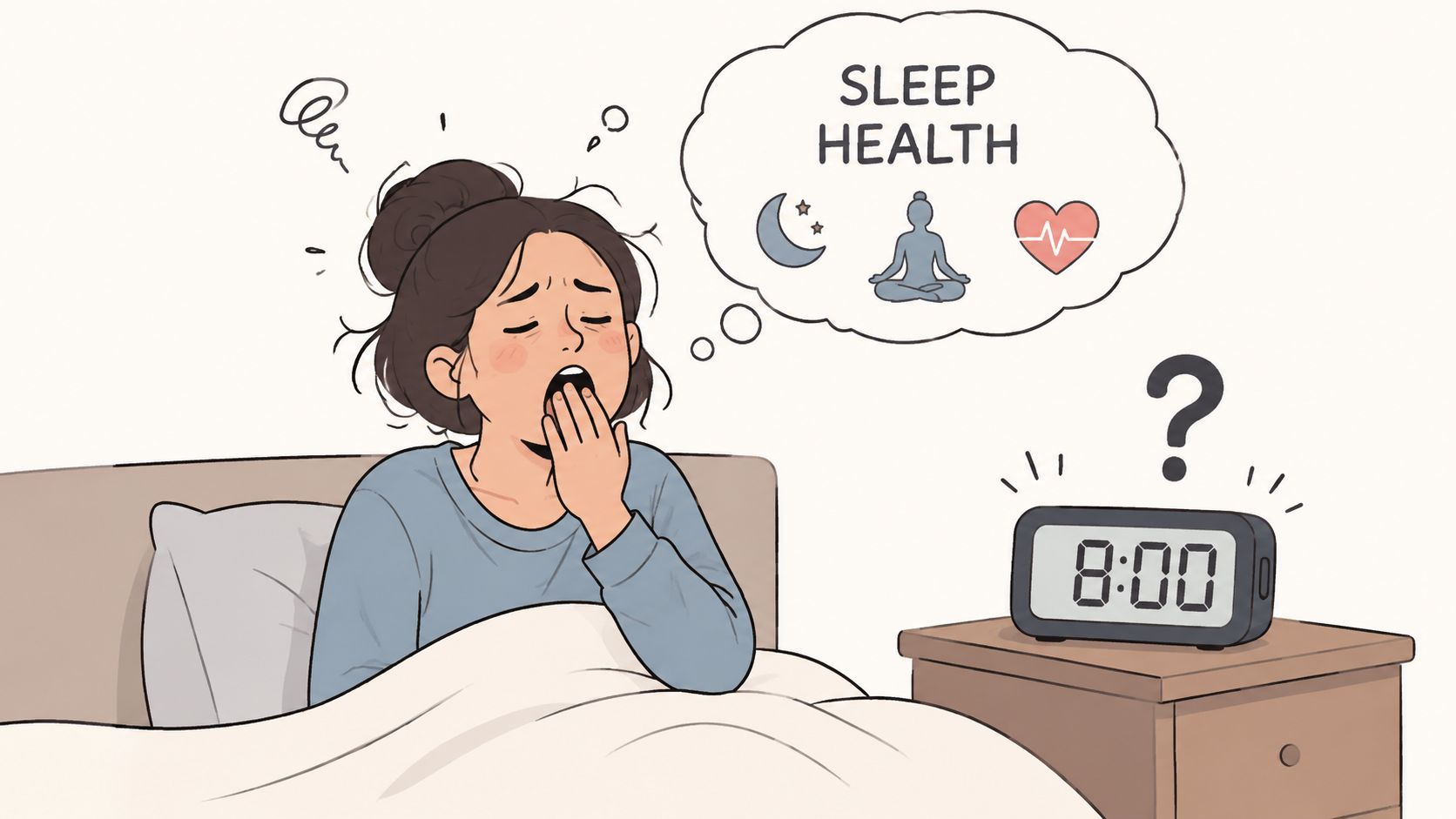
Someone in Alto might spend eight hours in bed but wake up repeatedly because the mattress traps heat. Another person in Ruidoso may fall asleep quickly but wake with shoulder numbness because the surface doesn't relieve pressure well. In both cases, the issue isn't solely bedtime length. The issue is the quality and structure of sleep.
A simple way to think about sleep health
Sleep health works a lot like nutrition. A meal isn't healthy just because it's large. Sleep isn't healthy just because it lasts a certain number of hours. The body needs the right conditions, the right timing, and the right physical support.
That's why a mattress matters so much. If the spine isn't supported, if pressure points build through the night, or if the sleep surface runs too warm for Ruidoso's dry mountain climate, the body keeps working when it should be recovering.
Good sleep should leave a person more capable in the morning, not more frustrated by the bed.
Many online mattress shoppers often face a challenge. They try to solve a sleep health problem by guessing from a screen. A local, family-owned store on Sudderth Drive can slow that process down and help connect the science of sleep to what a body feels at night.
The Six Pillars of True Sleep Health
Sleep scientists don't define healthy sleep by one number alone. They look at several connected parts, much like checking all the ingredients in a recipe instead of only one.
A simple way to think about sleep health
If one part is off, the whole night can feel off. A person might sleep long enough but wake often. Another might sleep soundly on weekends but keep an uneven schedule the rest of the week. Someone else may sleep through the night but still drag through the day because the bed never kept the body comfortable.
Readers looking for more plain-language guidance can browse sleep knowledge resources that connect sleep basics to mattress choices.
The 6 components of sleep health
| Pillar | What It Means |
|---|---|
| Duration | How long a person sleeps overall |
| Quality | How restful and uninterrupted that sleep feels |
| Timing | When sleep happens in relation to the body's natural rhythm |
| Efficiency | How much of the time in bed is actually spent sleeping |
| Satisfaction | Whether the sleeper feels good about the sleep they got |
| Daytime Alertness | How well the person functions after waking |
A few of these can be confusing at first, so it helps to make them practical.
- Duration matters because the body needs enough time to restore itself.
- Quality asks whether sleep was broken up by discomfort, heat, pressure, pain, or repeated waking.
- Timing looks at consistency. The body usually rests better when bedtime and wake time aren't bouncing around.
- Efficiency means the bed should be a place for sleep, not long stretches of tossing and repositioning.
- Satisfaction is personal, but it counts. If a sleeper says, “That didn't feel like good sleep,” that matters.
- Daytime alertness is often the clearest test. If a person wakes unrefreshed and stays foggy, sleep health likely needs attention.
Practical rule: If the body hurts, overheats, or keeps shifting position at night, the problem may not be motivation or discipline. It may be the sleep surface.
Mattress construction becomes more than a comfort preference. Memory foam can reduce pressure at the shoulders and hips. A hybrid design can combine contouring comfort with coil support for easier movement and steadier alignment. Materials, firmness, and support layers all shape these six pillars in real life.
Why Sleep Health Is Your Most Important Health Investment
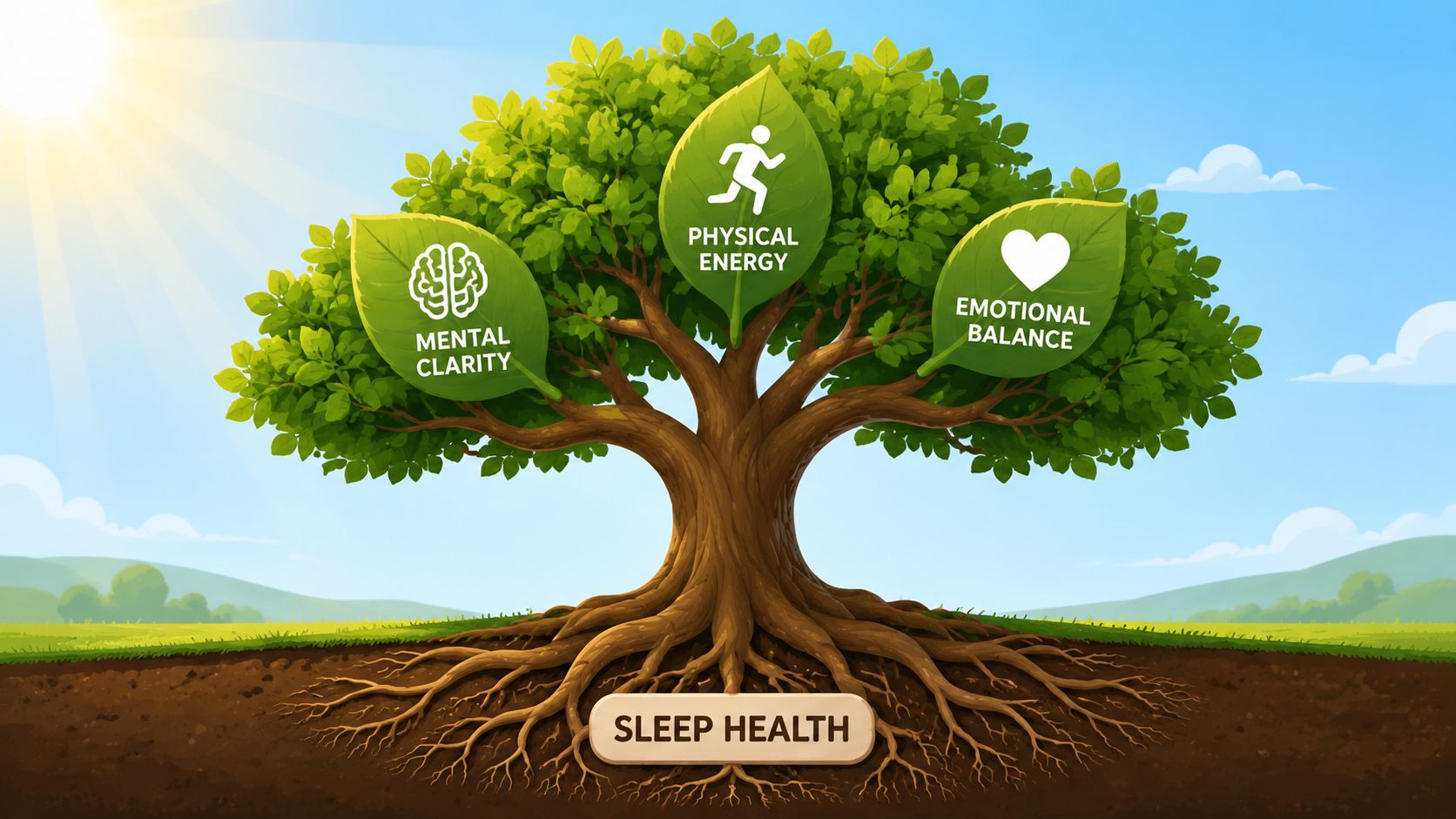
Poor sleep doesn't stay in the bedroom. It follows a person into mood, concentration, recovery, work, and long-term health.
Poor sleep affects more than energy
The strongest reason to take sleep health seriously is that it connects to major health outcomes. According to compiled sleep health statistics, individuals sleeping less than six hours per night face a 13% higher mortality risk. That same source reports that poor sleep is directly linked to a 57% increased risk of Type 2 diabetes and a 41 to 55% increased risk of coronary heart disease.
Those numbers help explain why a worn-out mattress isn't a small household inconvenience. If a bed contributes to repeated waking, pain, overheating, or shallow rest, it may be interfering with one of the body's core recovery systems night after night.
Why this matters in an active mountain community
Life in Ruidoso and across Lincoln County asks a lot from the body. People hike, work outdoors, manage properties, commute, care for family, and stay active in ways that require balance, recovery, and clear thinking. Sleep is what helps all of that hold together.
For many shoppers, the practical question becomes less abstract after reading a mattress buying guide. The right bed can't diagnose a medical condition, but it can remove common barriers to restorative rest. Better pressure relief can reduce nighttime repositioning. Better spinal alignment can calm low back strain. Better airflow can help sleepers who wake hot and dry.
A mattress purchase is often treated like furniture shopping. Sleep health turns it into something more accurate. It's a decision about recovery, function, and how a person feels every morning.
How to Measure Your Sleep Without the Anxiety
Many people try to answer the question of what is sleep health by checking a number on a screen. That can help a little, but it can also send the wrong message.
Start with what your body is telling you
A simple sleep check begins with lived experience.
- Morning check-in: Does the sleeper wake feeling restored or already tired?
- Body comfort: Are there pressure points in the shoulders, hips, or lower back?
- Nighttime pattern: Is the person waking because of heat, motion, numbness, or discomfort?
- Daytime function: Is there steady alertness, or does fatigue hang on through the day?
A sleep diary can be useful because it keeps the focus on patterns instead of perfection. A person might notice they sleep better on nights when the room is cooler, when their bedtime is steadier, or when they aren't fighting the mattress.
Use trackers for trends, not perfection
Consumer sleep devices can raise awareness, but they can also create stress. According to research on digital sleep tools and orthosomnia, the National Sleep Foundation warns that chasing “perfect” sleep metrics can worsen sleep health through orthosomnia, an unhealthy obsession with sleep data that increases anxiety and disrupts sleep.
A tracker can show restlessness. It can't tell whether the hips are sinking too far or whether the shoulders need more pressure relief.
That's why the most useful question is often simple. Does the sleeper feel better, worse, or the same on their current mattress?
Readers who want practical, low-pressure ways to evaluate sleep habits can review everyday sleep tips. The key is balance. Data can help spot trends, but the body's comfort, pain levels, and morning energy still matter most.
Common Sleep Roadblocks in Our Mountain Community
Sleep trouble in Ruidoso doesn't always look the same as sleep trouble in a larger city. The local setting changes the experience.
Local conditions can change how a bed feels
Dry mountain air can leave some sleepers feeling warm, parched, or lightly restless through the night. A mattress that holds heat may feel even more uncomfortable in that setting. Breathable covers, cooling foams, and coil-based airflow can make a noticeable difference for people who wake hot and uncomfortable.
An active lifestyle also changes mattress needs. A hiker, skier, ranch worker, or anyone spending long days on their feet often notices pressure buildup faster than someone less active. When muscles and joints are already working hard, a bed has to help the body recover instead of adding more strain.
A simple comfort layer can help in some cases. For sleepers trying to fine-tune surface feel, a memory foam mattress topper may add contouring and pressure relief when the mattress itself is still structurally sound.
When a mattress problem may be part of a bigger sleep issue
Not every sleep problem starts with the bed. Some people snore heavily, wake gasping, or deal with ongoing insomnia symptoms. Others face life circumstances that make consistent rest hard to achieve.
According to CDC-backed material on sleep disparities, rural populations, including many communities across Lincoln County, face distinct social and psychosocial barriers that can lead to insufficient sleep. That matters locally because sleep solutions need to be realistic, accessible, and aware of how people live.
If symptoms suggest something deeper, a healthcare provider should be part of the conversation. But even then, the mattress still matters. A body that's fighting discomfort all night has a harder time resting under any circumstances.
Practical Strategies to Improve Your Sleep Health
Better sleep health usually comes from a series of ordinary choices done consistently. Some are habits. Some are environmental. One of the biggest is whether the mattress supports the body correctly.
Small habits that support better rest
Sleep experts recognize at least 7 hours of sleep per night as the benchmark for physiological restoration, and chronic sleep below that level is causally linked to a high probability of developing obesity, type 2 diabetes, and hypertension according to sleep guidance from Scripps Digital Trials Center.
That number helps, but habits still shape whether those hours are restorative.
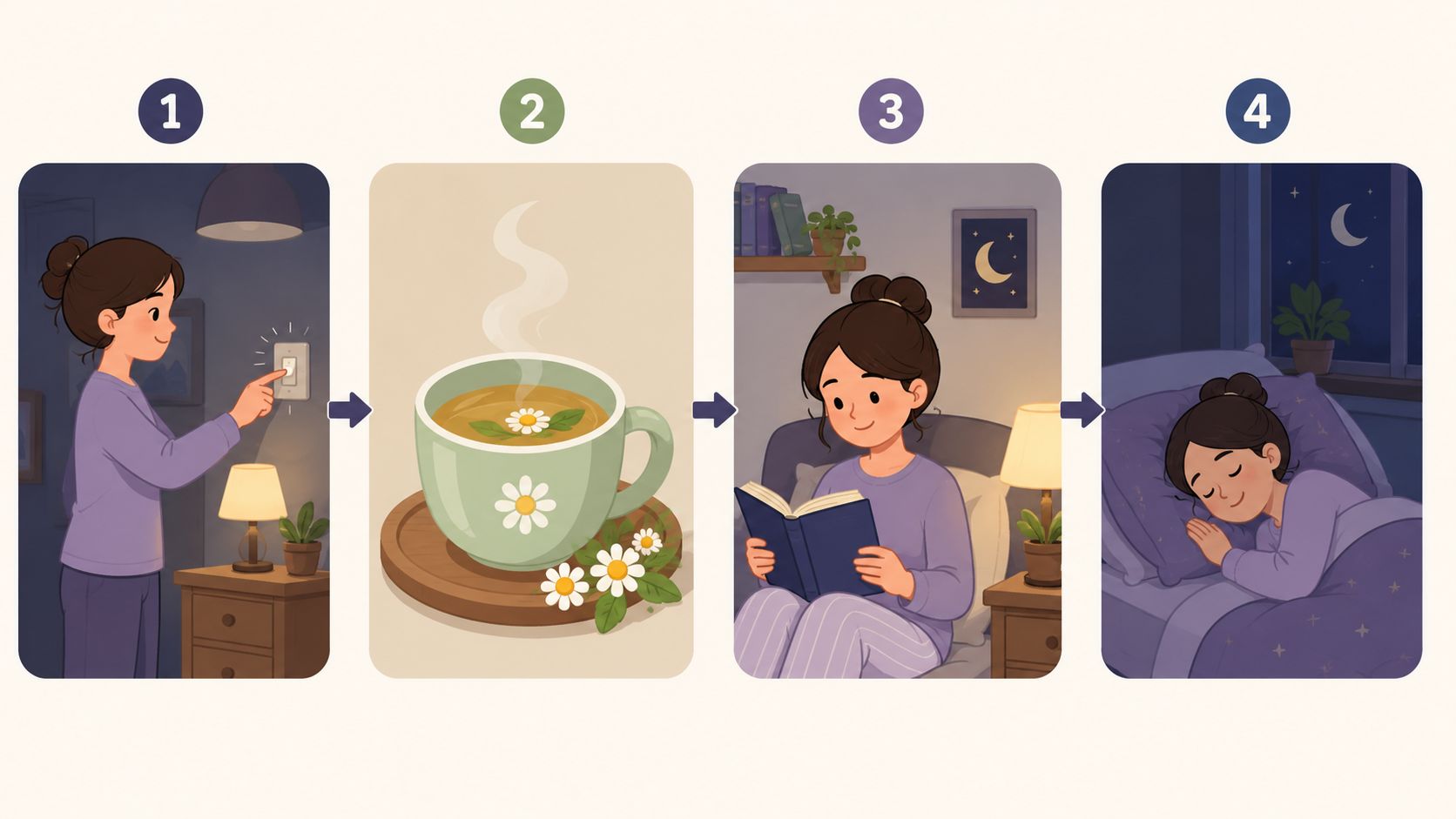
- Keep a steadier schedule. Going to bed and waking up at roughly the same times helps the body settle into a rhythm.
- Build a wind-down routine. Lower lights, reduce stimulation, and give the brain a cue that sleep is near.
- Set up the room for comfort. Darkness, quiet, and a comfortable sleep temperature make sleep easier to maintain.
- Notice what wakes the body. Pain, pressure, heat, and motion transfer are mattress clues, not just random annoyances.
Why mattress materials matter
Mattress design changes how the body carries weight through the night.
Memory foam responds to body shape and can ease pressure around the shoulders, hips, and lower back. That's especially helpful for side sleepers and for people who wake up sore from a surface that feels too firm or uneven. Tempur-Pedic is known for this type of close contouring support.
Hybrid mattresses pair comfort foams with a coil support system. That combination can help with spinal alignment, edge support, airflow, and easier movement. Sealy and Stearns & Foster hybrids often appeal to sleepers who want both cushioning and a more lifted, supportive feel.
Traditional supportive foam and value-focused builds can also serve shoppers who need comfort at a more accessible price point. Sherwood models can fit that role when the goal is balanced support without overcomplicating the choice.
The right mattress should keep the spine in a more neutral position, reduce pressure buildup, and help the body stay asleep longer with fewer adjustments.
How to choose the right feel and support
A practical way to shop is to match the mattress to the sleeper, not to the trend.
- For side sleepers: Look for pressure relief at the shoulders and hips.
- For back sleepers: Look for support that keeps the midsection from dipping too far.
- For combination sleepers: Look for a surface that supports movement without feeling stuck.
- For hot sleepers in dry mountain air: Look for breathable materials and cooling-focused construction.
- For couples: Look for motion control, steady edge support, and a feel both partners can tolerate night after night.
One local option for testing these features in person is Mattress Pro by Miller Waldrop, where shoppers can compare Tempur-Pedic, Sealy, Stearns & Foster, and Sherwood models by body type, sleep position, and comfort preference. The practical value isn't hype. It's the ability to feel the difference before committing, with the Comfort Promise reducing the fear of picking the wrong bed.
Your Foundation for Better Sleep Starts Here in Ruidoso
By the time individuals ask what is sleep health, they're already tired of guessing. They've adjusted pillows, changed routines, and tried to push through morning fatigue. Sometimes the missing piece is simpler than it seems. The body needs a sleep surface that supports rest.
A mattress is the foundation under every other sleep habit. If the bed causes pressure points, poor alignment, trapped heat, or motion disruption, even a strong bedtime routine has to work uphill. If the mattress fits the sleeper well, those same habits become more effective.
That's why local guidance still matters. A family-owned business with a 70-year Miller Waldrop legacy understands that people in Ruidoso, Alto, and across Lincoln County aren't shopping for a generic bed. They're trying to solve a real sleep problem. They want to compare Tempur-Pedic, Sealy, Stearns & Foster, and Sherwood in person. They want clear answers, not guesswork. They want Full-Service Delivery with Professional Setup, a Low Price Promise, and a Comfort Promise that takes some of the risk out of the decision.
A good mattress won't solve every health issue. But it often changes the part of sleep that a person can control tonight. Better alignment, better pressure relief, better cooling, and better support can all make it easier to stay asleep and wake up with more comfort.
Ready to transform your sleep? Visit our Sleep Pros at Mattress Pro by Miller Waldrop showroom located at 2801 Sudderth Drive, Suite F, in Ruidoso. From luxury brands to budget-friendly solutions, we're here to help you wake up loving your mornings. Browse our collection online or stop by Monday through Saturday.