


How to Break in a New Mattress: A Pro’s Guide


You finally get the new mattress delivered, the bed is made, and you’re ready for that first great night of sleep. Then you lie down and think, “Why does this feel firmer than the one I tried in the store?”
That reaction is common. A new mattress often needs time to loosen up, respond to your body, and settle into the support it was built to provide. Your body also needs a little time to adjust, especially if you’ve been sleeping on an older bed that had already softened or developed familiar low spots.
Around Ruidoso, I hear this same concern from folks in town, in Alto, and all across Lincoln County. The good news is that this usually isn’t a sign you bought the wrong bed. It’s part of the normal break-in process, and if you know how to break in a new mattress, you can make that adjustment smoother and more predictable.
Table of Contents
- Your New Mattress Feels Stiff? Here’s Why (And What to Do)
- The Break-In Timeline What to Expect
- Your Daily and Weekly Break-In Routine
- Tips for Your Specific Mattress Type
- The Ruidoso Difference Climate and Local Support
- Troubleshooting and Your Comfort Promise
- Your Partner in Perfect Sleep
Your New Mattress Feels Stiff? Here’s Why (And What to Do)
A brand-new mattress can feel a little like a quality pair of boots. It’s well made, supportive, and built to last, but it doesn’t instantly feel broken in on day one.
That’s especially true with premium materials. Dense foams, carefully built comfort layers, and fresh upholstery can all make a new bed feel firmer at first than the floor model you tested. The showroom version has usually had more use, more body heat, and more time to relax.
What should you do right now? Start by giving the mattress regular use and a fair adjustment window. If your bedroom environment is part of the issue, dialing in lighting, temperature, mattress, and bedding as one sleep system can make those first nights feel much better.
What’s happening under the surface
Several things are changing at once:
- The comfort layers are settling: New materials haven’t yet responded to your usual pressure points.
- Your body is recalibrating: If your old mattress sagged, your spine and muscles may need time to adapt to better alignment.
- The feel is becoming personal: A mattress is designed to conform to you over time, not all at once.
A mattress that feels “too firm” on the first few nights often isn’t failing. It’s still fresh.
What works early on
The best early move is simple. Sleep on it consistently.
Try not to bounce between the new mattress and a recliner, guest bed, or sofa. Regular nightly use helps the materials respond more evenly, and it gives your body a better chance to settle into a healthier sleep posture.
If you’re feeling disappointed, that’s understandable. But in many cases, firmness at the beginning is temporary, not permanent.
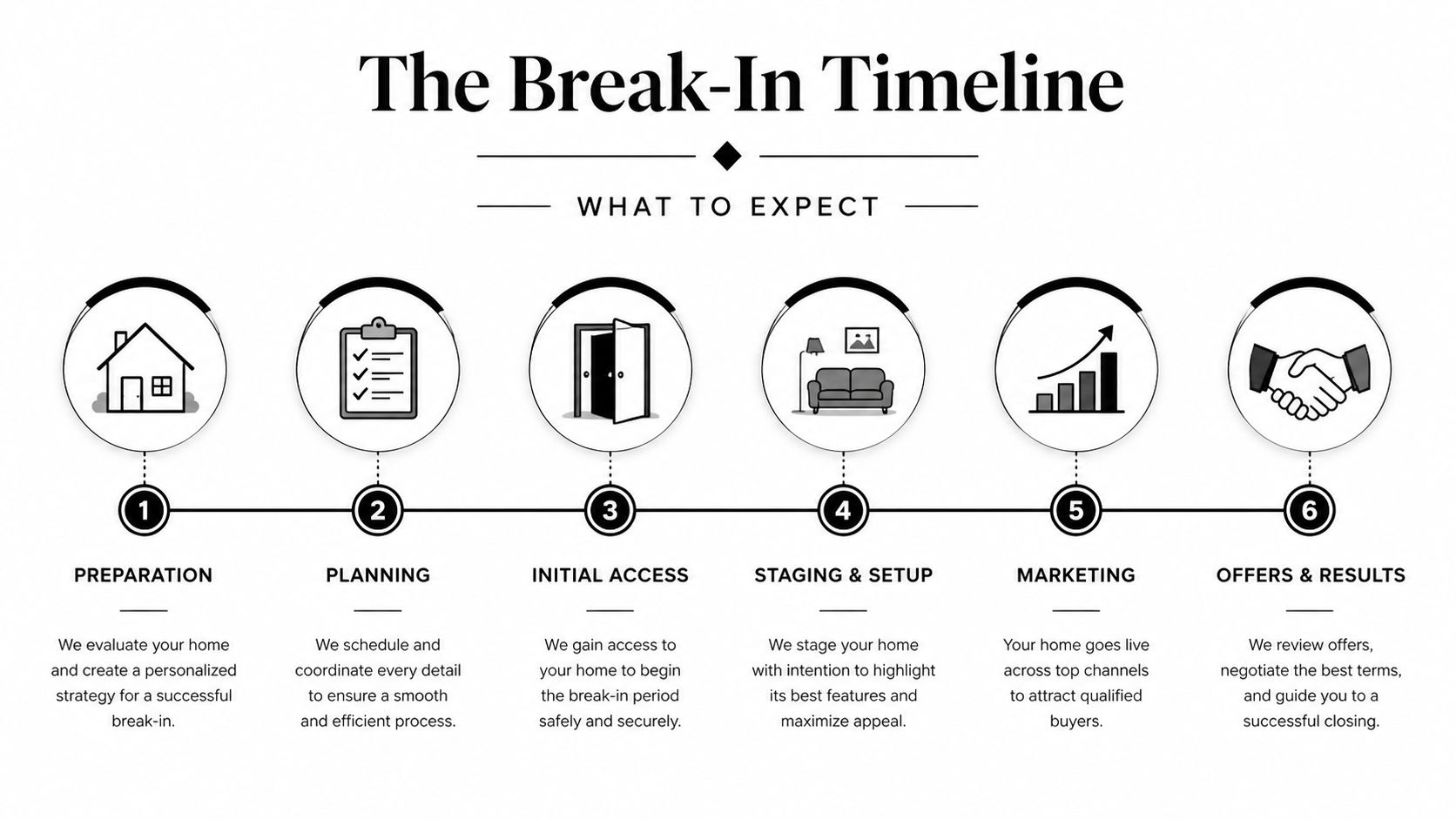
The Break-In Timeline What to Expect
Knowing what lies ahead offers reassurance. A mattress break-in isn’t random; it follows a pattern.
According to Slone Brothers’ mattress break-in guidance, the standard mattress break-in period ranges from 30 to 60 nights, with memory foam and hybrids requiring the longest adaptation time. That same source notes that latex mattresses can break in within 2-14 days, while innersprings settle within 2-4 weeks.
The first few days
Your first concern shouldn’t be whether the mattress feels perfect. It should be whether it has had time to fully settle from delivery and setup.
During this early window, the bed may still feel a touch tight or stiff. That’s normal. New materials need exposure to room conditions and regular use before they start feeling more natural.
A few practical expectations help:
- Expect firmness first: Especially with denser comfort layers.
- Keep your sleep setup steady: Use your usual pillow and foundation so you’re not changing too many variables at once.
- Don’t judge too soon: The first impression is rarely the final feel.
The next several weeks
This is when genuine personalization happens. Your body heat, sleep position, and nightly pressure help the comfort materials respond and contour more naturally.
Different constructions move at different speeds:
| Mattress type | Typical break-in expectation |
|---|---|
| Memory foam | Often needs the full 30 to 60 nights |
| Hybrid | Often takes longer because both foam and support layers are settling |
| Latex | Usually adjusts faster |
| Innerspring | Often settles sooner as comfort layers relax |
Practical rule: Don’t evaluate a premium mattress like a quick purchase. Evaluate it like a long-term sleep tool that needs a proper settling period.
That matters if you’re trying Tempur-Pedic, Sealy, Stearns & Foster, or Sherwood. The more substantial the materials, the less useful snap judgments become in the first week.
Your Daily and Weekly Break-In Routine
If you want to know how to break in a new mattress without guessing, start with simple habits you can keep. You don’t need a complicated ritual. You need consistency.
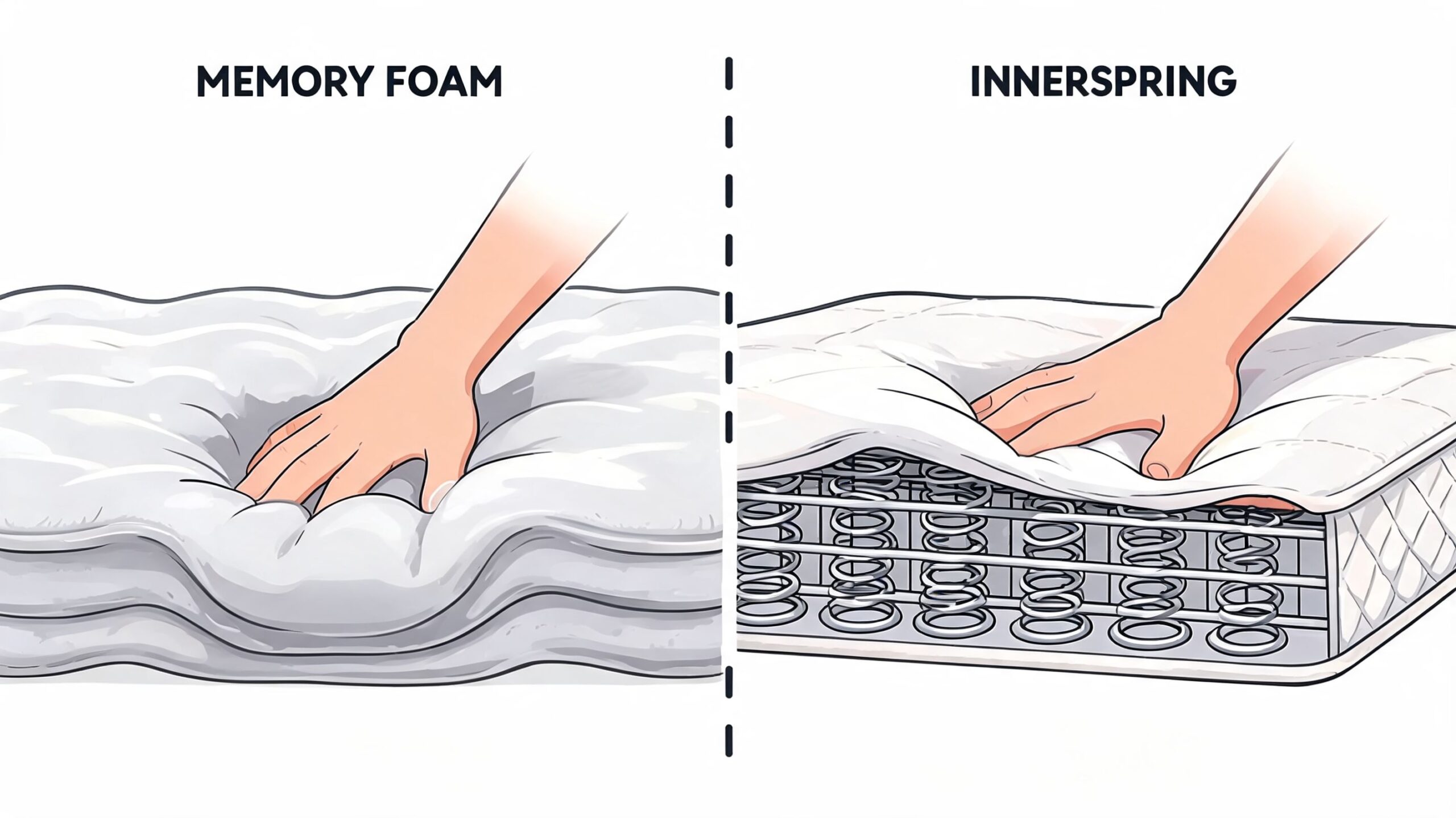
According to Texas Mattress Makers’ break-in advice, active break-in techniques can shorten the 30-90 day period by 20-50%. That same source says walking on the mattress can help open foam cells faster, and rotating it 180° every two weeks for the first three months helps prevent uneven wear and sagging risks.
What to do every day
Your best tool is your own body weight. Sleep on the mattress every night and use it across the surface instead of drifting into the exact same narrow spot every evening.
A few minutes of gentle pressure can also help, especially on foam-heavy models. Some owners carefully walk or crawl across the surface to encourage a more even break-in.
Daily habits that help:
- Sleep on it nightly: Skipping nights slows the natural adjustment.
- Use more of the surface: That helps avoid one early “valley” where you always lie down.
- Apply gentle pressure only: Walking carefully can help. Jumping is a bad idea and can damage internal components.
If you’re protecting the mattress during this period, use something that won’t work against the feel of the bed. A good mattress protector can extend life without creating unnecessary bulk.
What to do every couple of weeks
Rotation matters more than many people realize. A simple head-to-toe turn helps the materials compress more evenly, especially in the area that carries more body weight.
Use this basic routine:
- Rotate 180 degrees: Head goes where the foot was.
- Stay on schedule: Every two weeks for the first three months is a good rule from the cited guidance above.
- Don’t flip unless the mattress is built for it: Most modern mattresses are one-sided and should not be turned over.
Gentle pressure helps a mattress break in. Impact does not. If a method feels rough, it probably is.
If the mattress is heavy, get help. Premium beds can be awkward to handle, and a safe rotation is better than trying to wrestle it alone.
Tips for Your Specific Mattress Type
Not every mattress should be broken in the same way. That’s one reason generic advice can steer people wrong. Materials respond differently, and the right approach depends on what’s inside the bed.
According to Biltrite Furniture’s mattress break-in guidance, memory foam and hybrid mattresses like Tempur-Pedic models often need 30-90 days because viscoelastic foam requires consistent body heat, around 98.6°F, and pressure to soften and contour effectively. That same guidance notes that a room temperature of 68-72°F is ideal for the process.

Memory foam and Tempur-Pedic
Memory foam is temperature-sensitive. That’s part of what makes it so good at pressure point relief and body contouring. It responds to warmth and pressure, then gradually shapes itself around the sleeper.
If your new Tempur-Pedic feels firmer than expected, don’t panic. In a cool room, viscoelastic foam can take longer to relax.
Helpful habits include:
- Keep the room comfortably warm: The cited 68-72°F range supports normal foam response.
- Sleep on it consistently: Body heat matters here.
- Choose firmness wisely from the start: If you’re still shopping, this guide on how to choose a mattress firmness can save you trouble later.
Innerspring including Stearns & Foster
With an innerspring, the feel usually changes less from heat and more from the settling of the comfort layers above the coil system. That’s why these beds often feel more familiar sooner.
Stearns & Foster models are a good example of a refined innerspring feel. You’re waiting more for the top layers to relax than for the core support to transform.
What helps most:
- Even use across the surface
- Regular rotation
- Patience with the comfort layers, not the coils
Hybrids including Sealy and Sherwood
Hybrids combine foam comfort with coil support. That gives you a balanced feel, but it also means you’re waiting on two systems to settle together.
Sealy and Sherwood hybrids often appeal to sleepers who want better spinal alignment than a worn-out spring bed, but a bit more lift than an all-foam feel. Their break-in can feel gradual because the foam is contouring while the upper support system is also loosening into regular use.
The more complex the construction, the more important it is to use brand-specific guidance instead of one-size-fits-all advice.
The Ruidoso Difference Climate and Local Support
Where you live changes how a mattress feels. That’s not marketing language. It’s practical reality.
According to Shop Bed Mart’s discussion of mattress break-in, room temperature can accelerate the break-in process by making materials more pliable, and that’s especially relevant in mountain climates like Ruidoso, where cooler temperatures can extend the break-in period for foam mattresses compared to warmer regions.

Why mountain conditions matter
A mattress in a warm city bedroom may not feel the same as that same model in a cooler home in Ruidoso or Alto. Foam materials can stay firmer longer when the room is cold.
That means your setup matters:
- A chilly bedroom can slow early softening
- Dry mountain air can make the whole adjustment feel different from online reviews
- Season changes can affect your first impression
If a mattress felt fine in the store but stiffer at home, your room conditions may be part of the story.
Why local guidance helps
Local support beats a box on the porch. A nearby sleep expert understands how Lincoln County homes, cabin bedrooms, and mountain weather affect real-world comfort.
You also get practical help with setup, foundation fit, and break-in questions that national websites usually reduce to generic FAQs. That kind of support matters when you’re trying to protect your long-term sleep health, not just survive the first week.
Troubleshooting and Your Comfort Promise
If your mattress still feels off after a fair trial, slow down and troubleshoot before you assume the bed is wrong. The issue may be fixable.
According to NapLab’s guide to breaking in a mattress, break-in needs vary significantly by mattress construction, and some experts advise against walking on certain hybrid models to protect coils. That’s a useful reminder that what works for one mattress may be a bad idea for another.
What’s normal and what deserves attention
A few things are usually normal during early ownership. Slight softening, gradual contouring, and mild body impressions can all be signs that the comfort materials are adapting.
What deserves a closer look:
- Persistent discomfort that doesn’t improve
- Uneven feel tied to a weak foundation
- Visible sagging that seems premature
- Using an aggressive break-in method on a mattress that shouldn’t get that treatment
For ongoing care, good habits still matter. Regular rotation, surface protection, and clean upkeep all help, and these mattress maintenance and cleaning tips are worth following from the start.
If your mattress is improving slowly, that’s usually normal. If it feels wrong in a way that stays wrong, get expert eyes on it.
When expert guidance matters
Temporary solutions can help you get through the adjustment phase. A topper may soften the feel for a short period if the surface feels harsher than expected. A slightly warmer room can help foam-heavy beds respond more naturally in colder months.
But there’s a trade-off. Too much add-on cushioning can mask what the mattress is doing, and the wrong break-in technique can create new problems.
That’s why a Comfort Promise matters. It removes the fear that you’ll be stuck with the wrong fit if a mattress isn’t right after a proper adjustment period. Good sleep isn’t just about buying a bed. It’s about having a real path to the right one.
Your Partner in Perfect Sleep
Breaking in a new mattress takes a little patience, but it shouldn’t feel mysterious. The right mix of time, technique, and room conditions makes a real difference, especially with premium sleep systems.
If you remember just three things, remember these. Use the mattress consistently, treat the materials gently, and don’t judge the bed too early. If you want stronger sleep habits overall, this guide on how to improve sleep quality is a smart next step.
Ready to transform your sleep? Visit our Sleep Pros at Mattress Pro by Miller Waldrop, with our showroom located at 2801 Sudderth Drive, Suite F, in Ruidoso. From luxury brands like Tempur-Pedic, Sealy, Stearns & Foster, and Sherwood to budget-friendly solutions, we’re here to help you wake up loving your mornings. Browse our collection online or stop by Monday through Saturday.