

Personal Comfort Bed Reviews: A Ruidoso Buyer’s Guide


Scrolling through Personal Comfort bed reviews can leave a shopper more mixed up than when the search started. One reviewer talks about pressure relief. Another focuses on price. A third acts like one firmness setting should work for every sleeper in the house. That's not how real sleep works.
A buyer in Ruidoso, Alto, or anywhere in Lincoln County usually isn't looking for internet noise. That buyer wants a bed that supports sore shoulders after a hike, sleeps comfortably in dry mountain air, and doesn't become an expensive mistake. Reviews can help, but only if they're read the right way.
That's where local judgment matters. A family business with a 70-year legacy in this community sees the same concerns every day. Back pain. Couples with different firmness needs. Guests outfitting a cabin. People who are tired of guessing. A good mattress decision starts when the shopper stops asking, “Which review won?” and starts asking, “What does this bed do for the body?”
A strong first step is learning how to filter opinions from useful signals. That process gets much easier with a practical mattress buying guide for local shoppers that focuses on fit, materials, and long-term comfort instead of hype.
Table of Contents
- Your Search for the Perfect Bed Starts Here
- Decoding Mattress Reviews What Really Matters
- Professional vs User Reviews A Sleep Pros Take
- How to Test a Mattress in Our Ruidoso Showroom
- The Right Mattress for the Ruidoso Mountain Lifestyle
- Our Comfort Promise Your Peace of Mind
- Wake Up Loving Your Mornings Again
Your Search for the Perfect Bed Starts Here
A lot of shoppers begin the same way. They open a dozen tabs, read until midnight, and end up less certain than before. Personal Comfort bed reviews often swing between glowing praise and blunt frustration because reviewers don't share the same body type, sleep position, pain points, or expectations.
That mismatch is the whole problem. A side sleeper with shoulder pressure won't judge a bed the same way a back sleeper wants lumbar support. A couple in Alto with different comfort preferences won't shop the same way as a vacation-rental owner furnishing a guest room. Reviews aren't wrong. They're just incomplete.
A good review starts with the sleeper
The most useful review is the one that answers practical questions:
- Does the bed keep the spine level when the sleeper is on the back or side?
- Does pressure build up at the shoulders, hips, or lower back?
- Does the edge hold up when sitting or getting in and out of bed?
- Does the mattress sleep warm in a room that already feels dry and stuffy?
- Can two sleepers customize comfort without one person compromising every night?
Those questions matter more than dramatic one-line opinions.
Reviews should confirm what a bed does. They shouldn't replace hands-on testing.
Why local context changes the decision
Ruidoso shoppers don't live in a vacuum. Mountain living changes sleep habits. Active days can leave joints tender. Guest rooms in cabins often need broad comfort appeal. Dry air can make heat retention feel more noticeable. A mattress that looks impressive online can still miss the mark in real life.
That's why showroom testing, guided by someone who understands local sleep concerns, beats scrolling through anonymous comments. The smartest buyers use reviews as background, then test support, pressure relief, and comfort in person before they commit.
Decoding Mattress Reviews What Really Matters
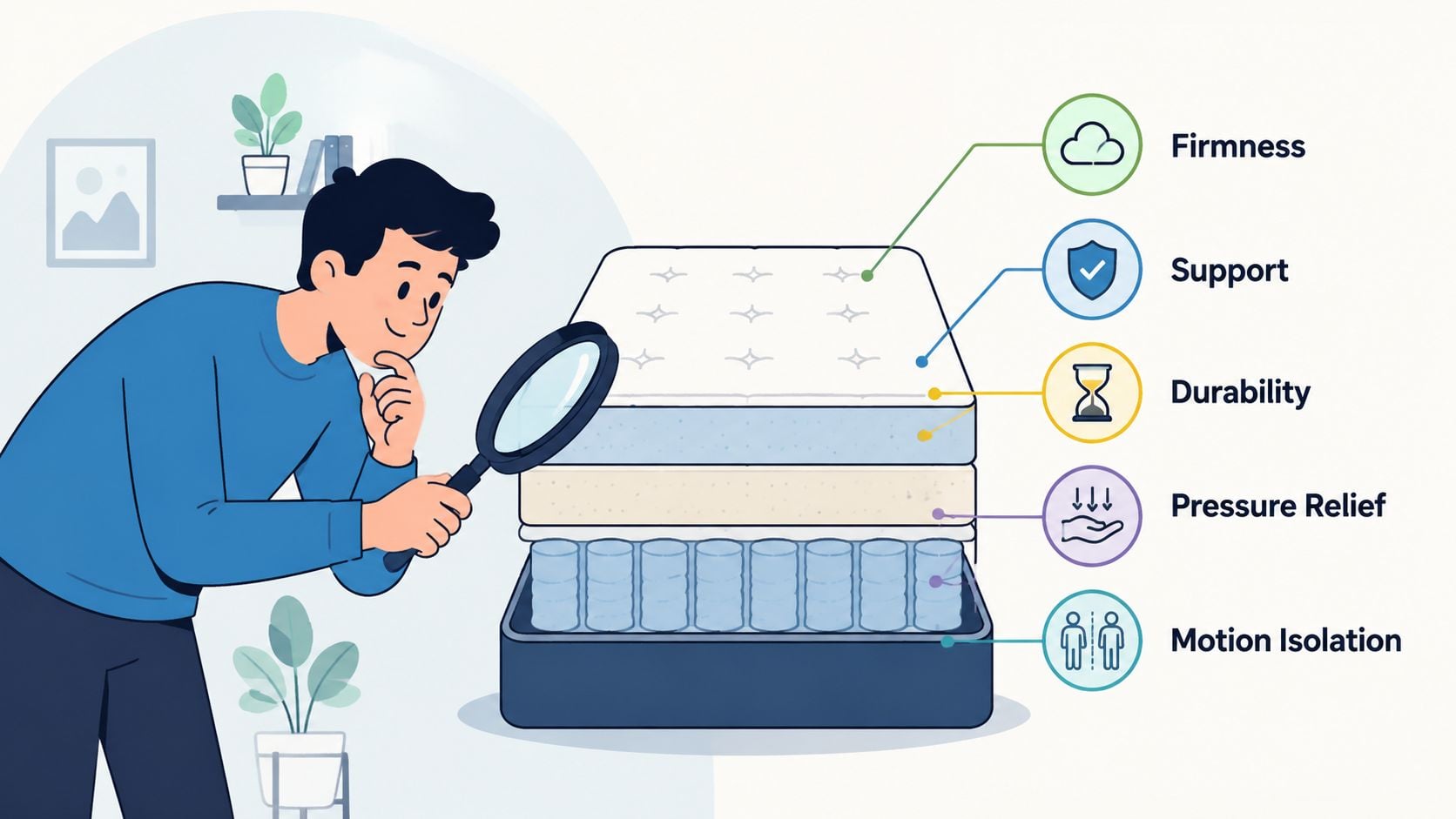
Most mattress reviews waste time on vague words like “plush,” “luxury,” or “amazing.” Those words don't help a shopper decide anything. The useful reviews explain how a bed handles support, pressure, heat, motion, edges, and wear over time.
This is the lens that makes Personal Comfort bed reviews easier to read.
Support comes first
Support is what keeps the spine from sagging out of alignment. If the hips sink too far or the lower back floats without support, the sleeper often wakes up stiff even if the bed felt soft at first touch.
That's why support matters more than showroom softness. A mattress can feel cozy for two minutes and still be wrong for eight hours.
Firmness is personal, not universal
Firmness isn't a quality grade. It's a fit question. One sleeper calls a bed perfect, while another calls the same bed too hard, because bodies interact with the surface differently.
Adjustable designs get attention in reviews for that reason. In a data-driven assessment, the Personal Comfort Rego earned an 8.66 overall score and landed in the top 51% of mattresses tested, while showing excellent pressure relief with no significant pressure points during testing. The same review describes it as an 11-inch adjustable mattress operated by app or wireless remote in NapLab's Rego review.
Materials change the feel and function
Material choice shapes the sleep experience. Memory foam tends to contour closely and spread body weight across a larger surface area, which helps with pressure-point relief. Hybrid builds usually add a more lifted feel and stronger pushback, which many combination sleepers like.
Tempur-Pedic is known for close contouring and pressure absorption. Sealy, Stearns & Foster, and Sherwood offer options that range from responsive support to more cushioned hybrid feels. The point isn't brand worship. The point is matching the material behavior to the sleeper.
Temperature and edge performance matter more than people think
Temperature regulation matters in mountain homes because trapped heat can feel more obvious in a dry room. Cooling features aren't magic, but breathable covers, airflow through the build, and less heat-trapping material near the surface can make a bed feel more balanced.
Edge support matters for two groups in particular:
- Couples sharing a queen or king who use the full width of the bed
- Older adults and anyone with mobility concerns who need a steady surface when sitting down or standing up
- Cabin owners hosting guests who want the mattress to feel sturdy, not slippery at the perimeter
A mattress with weak edges can feel smaller than it is.
Practical rule: If a review doesn't mention support, pressure relief, temperature, and edge behavior, it's not telling enough of the story.
Durability shows up after the honeymoon phase
Durability is harder to judge from a quick user comment. A mattress often feels fine early on. The more important question is whether comfort materials hold their shape and whether support stays consistent.
That's where a local, hands-on process helps. Reading review patterns is useful, but lying down on different constructions tells a shopper far more about what the body will tolerate night after night. For anyone comparing feel, features, and fit across major sleep categories, the customer review insights at Mattress Pro can serve as a grounded next step.
Professional vs User Reviews A Sleep Pros Take
Professional reviews and user reviews each have a job. Trouble starts when a shopper expects one to do the other's work. A good buying decision usually needs both, plus in-person testing.
What professional testing does well
Professional testing is strongest when it measures clear performance areas. That includes support, pressure relief, cooling behavior, edge stability, and price relative to the category. It's less emotional and usually more structured.
A strong example is the Personal Comfort Rejuvenate. Independent testing gave it an overall score of 9.09, placing it in the top 17% of all mattresses tested to date. That same review listed a queen price of $3,700, stating it was 39% higher than the average adjustable mattress and 2.6 times the average mattress cost of $1,390 in NapLab's Rejuvenate review. That tells a buyer something important. High performance doesn't erase a premium price. It frames the value question more accurately.
For shoppers who want to think beyond marketing language, the sleep health and wellness perspective helps connect mattress features to how the body rests and recovers.
Where user reviews help, and where they mislead
User reviews are useful when they describe a real sleeping situation. A couple with different firmness preferences. A side sleeper with hip pressure. A back sleeper who needs stronger lumbar support. Those details matter.
They become less useful when they're too vague or too dramatic. Watch for these red flags:
- No body or sleep details. “Worst bed ever” says nothing useful.
- Instant judgments. A mattress can feel strange before the body adjusts.
- Overly polished praise. If every line sounds like ad copy, skepticism is healthy.
- Complaint without context. Firmness complaints mean little without sleep position and body type.
A review is helpful when it explains who slept on the bed, how they sleep, and what changed.
The strongest approach is simple. Use professional reviews for performance benchmarks. Use user reviews for lived experience. Then test the bed yourself, because no online comment can feel pressure building under a shoulder in real time.
How to Test a Mattress in Our Ruidoso Showroom
A mattress shouldn't be judged by a quick sit on the corner. That's how people buy the wrong bed and blame the review later. A proper showroom test is slower, more deliberate, and much closer to what happens at home.
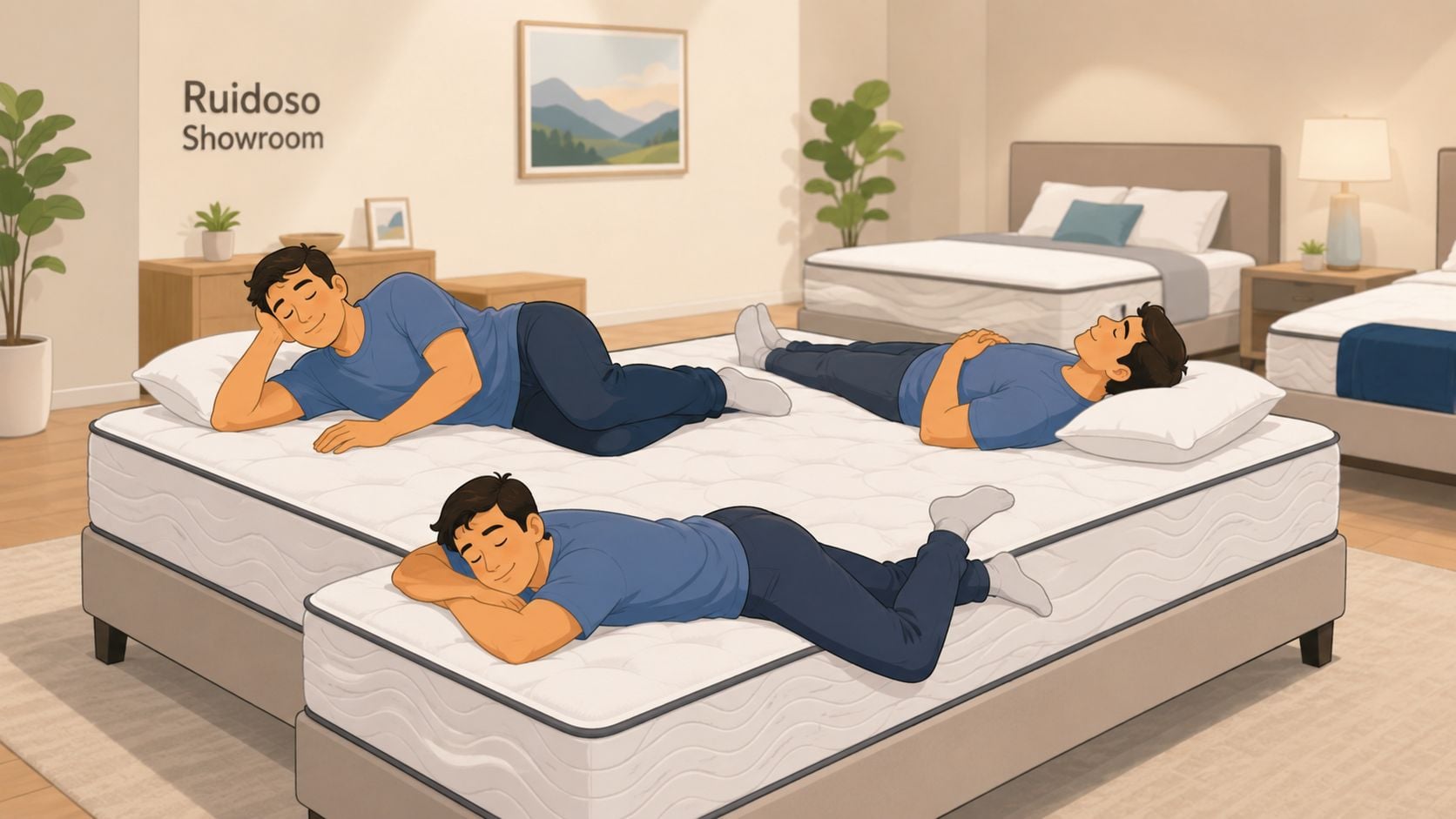
Slow down and test like sleep matters
The first step is simple. Lie down in the position used most at night. Stay there long enough for the body to settle. A bed that feels fine for a minute may start pressing at the shoulder or sagging at the hips once weight fully relaxes into the surface.
A better showroom routine looks like this:
- Start with the usual sleep position. Side sleepers should check shoulder and hip pressure first. Back sleepers should pay attention to lumbar support.
- Roll to a second position. Combination sleepers need a mattress that doesn't trap movement.
- Sit on the edge. That quickly reveals whether the perimeter feels steady or collapses.
- Bring the partner in. Motion transfer matters far more when two people share the bed.
- Ask about adjustable compatibility. Some bodies do better when the head or legs can be raised.
What to pay attention to while lying down
Buyers often miss the obvious signs. The body usually gives the answer before the brain does.
- Numbness or pressure buildup means the comfort layers aren't distributing weight well.
- A hammocking sensation often points to poor support through the middle.
- Resistance when turning can frustrate combination sleepers.
- Sliding toward the edge tells the shopper the usable sleep surface may feel smaller.
A showroom visit should feel practical, not awkward. The point is to test the bed like it will be used. That includes asking questions about materials, support systems, and how a model fits local sleep habits. Shoppers who want to set up a visit can use the Ruidoso showroom contact page to plan ahead.
The right mattress usually feels boring in the best way. The body settles, the spine stays level, and nothing calls attention to itself.
The Right Mattress for the Ruidoso Mountain Lifestyle
National mattress advice tends to flatten everyone into one generic shopper. That doesn't work in Ruidoso. Sleep needs here are shaped by climate, activity level, home setup, and how people live from one season to the next.
Dry air and active days change what comfort means
Dry mountain air can make a bedroom feel warmer or less forgiving, especially for sleepers who already run hot. That's why breathable materials, balanced surface comfort, and practical cooling design deserve attention. They aren't buzzwords when a sleeper wakes up warm and restless.
An active lifestyle also changes the equation. People in Lincoln County who spend time hiking, golfing, skiing, or staying on their feet all day often need better pressure relief at the shoulders, hips, and lower back. Adjustable support can also matter more for recovery-minded sleepers who want more than a flat sleep surface.
One-size-fits-all logic breaks down fast
A cabin owner furnishing a guest room needs a different strategy than a couple on Sudderth Drive with opposite comfort preferences. A side sleeper in Alto may need deeper cushioning than a stomach sleeper in town. That's why generic review averages don't tell the whole story.
The strongest local buying approach usually includes:
- Match the mattress to the body first. Sleep position and pressure points come before marketing claims.
- Think about the room environment. Warm sleepers should pay close attention to airflow and heat retention.
- Plan for how the bed will be used. Primary bedroom, guest room, and vacation property needs aren't the same.
- Look at the whole sleep system. Base, pillow, and mattress interaction can change comfort in a big way.
Brands offer different feel profiles, and these distinctions are important. Tempur-Pedic may suit sleepers who need close contouring. Sealy hybrids often appeal to those who want more lift and airflow. Stearns & Foster can fit shoppers seeking a more specific, substantial feel. Sherwood works well for many buyers who want straightforward comfort options without overcomplication.
Our Comfort Promise Your Peace of Mind
The biggest fear in mattress shopping isn't price alone. It's paying for the wrong fit. That fear is reasonable, especially with adjustable or premium sleep systems, where comfort can feel harder to judge from a screen.
A trial matters, but local follow-through matters more
Personal Comfort's own website says the brand has more than 2,000 five-star reviews and offers a 120-night risk-free home trial on its official site. That matters because mattress companies know shoppers need a safety net.
But a trial by itself doesn't solve everything. Buyers still need guidance before purchase, realistic expectations during adjustment, and a clear path if comfort misses the mark. That's where a local policy becomes more than a line in the fine print.
A shopper looking for that kind of protection can review the Comfort Promise details before buying. The point of a comfort policy is simple. Reduce the risk of choosing wrong, and give the customer a workable path toward a better fit.
Why service changes the whole purchase
This part gets overlooked online. Delivery, setup, and follow-through affect the experience almost as much as the mattress itself. A heavy sleep system isn't something anyone wants to wrestle through a doorway, up stairs, or into a tight cabin bedroom.
Mattress Pro by Miller Waldrop offers a local process that includes the Comfort Promise, a Low Price Promise, and full-service delivery with professional setup. Those features aren't decoration. They address problems shoppers worry about most:
- Fear of the wrong comfort feel
- Concern about overpaying
- Stress over transport and installation
- Need for real human help after the sale
Buying a mattress gets easier when the customer knows there's a practical next step if the first choice isn't perfect.
That peace of mind is hard to replicate through a checkout cart and a tracking number.
Wake Up Loving Your Mornings Again
Shoppers usually don't start this process because they're curious about mattress specs. They start because sleep has gotten frustrating. Maybe the shoulder aches in the morning. Maybe one partner sleeps hot while the other wants a softer feel. Maybe the current bed looked good online and never felt right in the room.
A smart review process leads to a better fit
Personal Comfort bed reviews can still help. They just need to be read with discipline. Look for support, pressure relief, temperature behavior, edge stability, and whether the review explains who the bed worked for. Ignore drama. Ignore vague praise. Pay attention to what the mattress does.
A confident shopper also knows when to stop scrolling. Testing a bed in person reveals things no comment thread can capture. Spinal alignment, pressure buildup, motion transfer, and edge confidence all show up fast when the body is on the mattress.
What a confident mattress purchase looks like
A solid purchase usually has four parts:
- Clear sleep needs based on body type, sleep position, and comfort goals
- Thoughtful review reading that separates metrics from opinions
- Hands-on testing in a showroom, with enough time to notice pressure and support
- A local safety net that lowers the risk if comfort needs adjusting
That's the practical path for shoppers in Ruidoso, Alto, and across Lincoln County. Better sleep rarely comes from chasing the loudest review. It comes from matching the right mattress to the right sleeper, then backing that decision with real service.
Ready to transform your sleep? Visit the Sleep Pros at Mattress Pro by Miller Waldrop at 2801 Sudderth Drive, Suite F, in Ruidoso. From luxury brands to budget-friendly solutions, the team helps shoppers compare feel, support, and pressure relief without the guesswork. Browse the collection online or stop by Monday through Saturday.