


All Weather Wicker Sofa Buying Guide for Mountain Homes


Most buyers hear “all-weather” and assume an all weather wicker sofa can survive anything Ruidoso weather delivers. That advice is incomplete. The synthetic weave may resist moisture and sun, yet the frame, fasteners, cushions, and joints can still fail first, especially through high UV exposure, snow, and mountain freeze-thaw cycles.
For a Ruidoso homeowner or Lincoln County vacation rental owner, the smart purchase isn't the sofa with the most convincing wicker pattern. It's the sofa built as a complete outdoor system. Material specifications, drainage, hardware, cushion storage, and placement matter as much as appearance.
Why All Weather Wicker Sofas Fail Sooner Than Expected
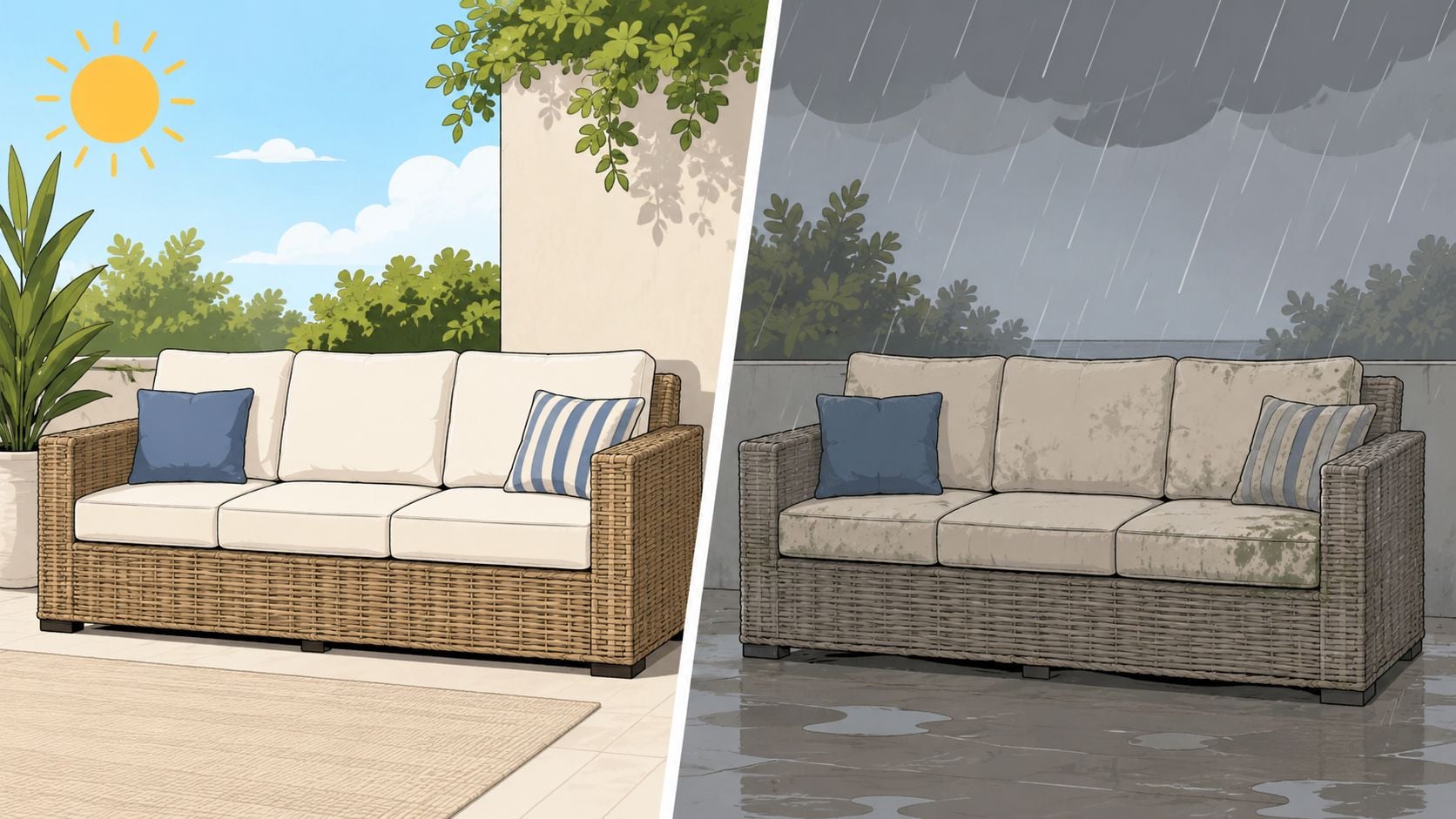
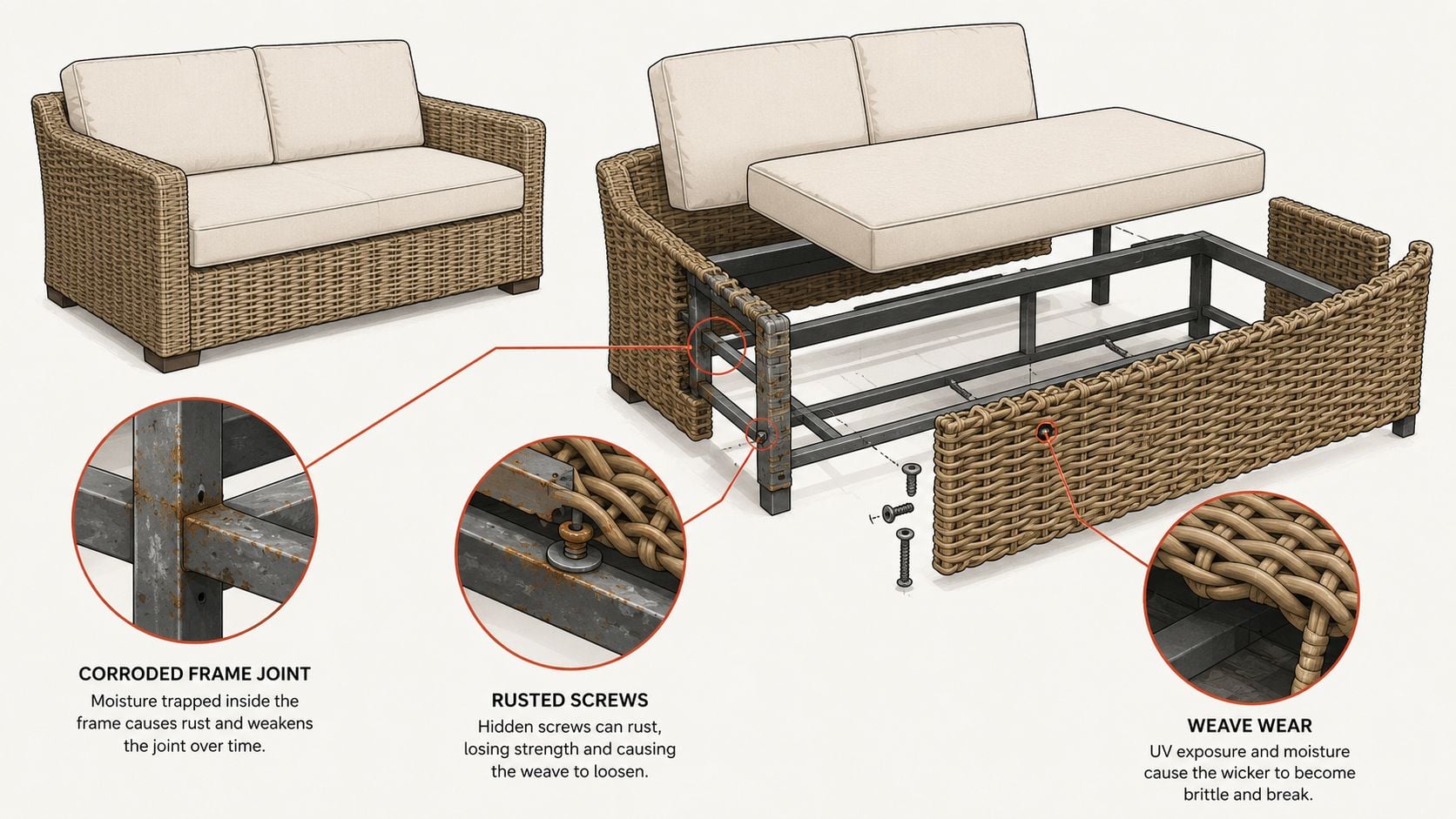
The wicker rarely fails first. In Ruidoso, frame corrosion, waterlogged cushions, and tired hardware usually shorten an all-weather wicker sofa's life before the synthetic strands look worn. “All-weather” describes the weave, not every component attached to the sofa. A polished surface can hide loose joints, a corroding steel frame, or cushions that remain damp after snow and rain.
Wicker furniture has a long manufacturing history. Wickerwork was documented in ancient Egypt, and woven furniture was in use around 2600 BC. Its popularity in the United States rose between 1870 and 1910. In 1921, Lloyd introduced an inexpensive close-weaving machine that helped shift tightly woven wicker furniture from artisanal production toward mass-market seating, according to this history of wicker furniture manufacturing.
Inspect the parts hidden behind the weave
Judge the sofa as a connected system, not as a wicker pattern:
- Wicker strands take direct sunlight, moisture, dirt, and abrasion.
- The frame carries the load and keeps the sofa square.
- Fasteners and joints absorb movement from use and temperature changes.
- Cushions retain water and may develop mildew when drying is slow.
- Feet and placement control airflow, leveling, and drainage.
A weak component can make an attractive sofa unsafe or uncomfortable. A loose joint shifts the frame geometry. Saturated cushions become heavy and difficult to dry. Corroded fasteners may show little warning before a connection gives way. Examine these areas before judging color, weave density, or showroom appeal.
The same inspection habit applies to indoor furniture. This A-frame desk resource is a useful reminder to examine construction rather than trust a product label.
Ruidoso weather tests the weak points
Dry mountain air can help exposed surfaces dry, while strong UV exposure steadily stresses resin, finishes, and cushions. Snow and meltwater reach the frame and hardware, then repeated freezing and thawing work loose connections and trap moisture in seams. A sofa on an uncovered deck faces more stress than one beneath a protected porch.
Synthetic wicker lifespan can range from about 5 to 10 years to 10 to 20 or more years, depending on construction, exposure, storage, and care, as outlined in this synthetic wicker durability guidance. Treat that range as a construction and maintenance warning, not a promise. Ask how the frame resists corrosion, how cushions drain, and whether outdoor hardware can be replaced.
Practical rule: If the seller explains the wicker but cannot explain the frame, hardware, cushions, and warranty, keep shopping.
Understanding All Weather Wicker Construction and Materials
A durable all weather wicker sofa depends on more than a convincing weave. The strongest setup uses HDPE or HDPE/LDPE resin strands woven over an aluminum frame, with corrosion-resistant connections and cushions that can release moisture. The wicker faces the weather, but the frame, hardware, and cushion core determine whether the sofa survives Ruidoso's freeze-thaw cycles and intense UV exposure.
High-density polyethylene, or HDPE, is an outdoor resin formulated to resist moisture and sunlight. Unlike untreated natural fiber, it does not rot, and a properly formulated resin is less likely to crack, fade, or turn brittle. This outdoor sofa construction overview explains how resin strands and supporting frames work together. For a broader look at construction specifications, this core-de-casa furniture resource reinforces the same buying habit: inspect the materials and joints, not just the finish.
Read the specification line by line
A useful specification should answer these questions:
- What is the weave made from? Choose HDPE or a clearly identified outdoor resin, not vague wording such as “weather-style wicker.”
- Does it include UV inhibitors? These additives slow damage from direct mountain sunlight.
- What supports the weave? Powder-coated aluminum generally suits wet, snowy conditions better than untreated or poorly protected steel.
- How are the connections made? Look for durable outdoor hardware and confirm that replacement parts are available.
- How do cushions drain and dry? Removable covers and quick-drying interiors reduce saturation after snow or rain.
Manufacturers describe UV inhibitors in HDPE wicker and UV-resistant fibers or coatings in wicker and cushions. Those specifications explain why some pieces retain color during outdoor exposure, as discussed in this UV protection information for outdoor wicker.
Why aluminum usually suits mountain climates
Aluminum keeps the sofa manageable to move and resists corrosion better than ordinary steel. That helps when you need to shift furniture away from meltwater, level it on gravel, or store it before leaving the property.
Powder coating protects the surface, but scratches still need attention. A deep scrape exposes metal, and water can collect around a fastener or foot during repeated freezing and thawing. Inspect the underside, corners, frame transitions, and hardware. A front-facing weave can look perfect while the hidden structure starts failing.
A resin wicker sofa with a powder-coated aluminum frame has the right basic architecture. Verify the hardware and drainage details in the weather-resistant resin wicker sofa specification before you buy.
Comparing Synthetic Wicker Types for Outdoor Durability
Synthetic wicker is a category, not a single material. HDPE, PVC, and other resin formulations can look similar in a showroom while behaving differently under sun, cold, abrasion, and moisture.
The table below offers a practical comparison. It avoids treating a material label as a guarantee because formulation, strand thickness, frame construction, and care still influence the result.
Synthetic wicker material comparison
| Material Type | UV Resistance | Temperature Flexibility | Typical Lifespan | Best Climate |
|---|---|---|---|---|
| HDPE outdoor resin | Strong when UV inhibitors are included | Better suited to outdoor temperature changes | Often selected for long-term outdoor use | High-sun, wet, and variable mountain climates |
| PVC wicker | Varies by formulation and UV protection | Can be less forgiving when exposed to severe temperature swings | Depends heavily on construction and exposure | Sheltered patios and moderate climates |
| Generic resin wicker | Quality varies widely | Performance depends on resin blend and strand design | Requires careful product-specific evaluation | Covered outdoor areas or moderate exposure |
HDPE earns the strongest recommendation
For exposed Ruidoso patios, HDPE with documented UV protection is the most sensible starting point. It offers the combination buyers usually need: moisture resistance, outdoor flexibility, and protection against sun-related brittleness.
That doesn't make every HDPE sofa equal. A thin strand, weak frame, or poor joint can still shorten service life. The material should pass the first screening, then construction quality must decide the purchase.
PVC deserves closer inspection
PVC can be suitable in the right setting, but product descriptions often leave buyers without enough detail about UV stabilization or cold-weather performance. That uncertainty matters in a mountain home where a sofa may experience bright sun, freezing conditions, snowmelt, and long periods without supervision.
A PVC piece in a covered, ventilated space may perform differently from the same style placed fully exposed beside a pool or on an open deck. Rental owners should be especially cautious because guests may leave cushions out and may not notice early frame movement.
Mountain buying advice: Choose the material with the clearest outdoor specifications, not the strand that looks most natural under showroom lighting.
The Hidden Failure Points That Shorten Sofa Lifespan
The wicker weave is easy to inspect, so buyers focus on it. The failures that end a sofa's useful life usually start underneath, inside, or between the strands. In Ruidoso, freeze-thaw movement, strong UV exposure, and trapped moisture put the frame, cushions, and hardware under pressure first.
Frame corrosion and hardware fatigue
Aluminum resists corrosion, but scratched finishes can expose the metal. Water trapped around joints then creates problems, especially where snowmelt repeatedly freezes and thaws. Steel needs stricter inspection because rust can spread beneath its coating and weaken connection points.
Hardware needs equal attention. Choose corrosion-resistant fasteners, reachable connections, and joints that can be tightened. Test the sofa for rocking before purchase. Movement often signals a weak frame or loose connection rather than an uneven floor.
A sofa can look perfect while its hardware is already failing.
Cushion saturation creates a separate problem
Synthetic wicker sheds water, but cushions absorb and retain it. Remove cushions during heavy rain or snow, use covers, and inspect connections regularly, following this outdoor wicker care guide.
Cushions placed on grass or gravel dry slowly because airflow is limited underneath. Saturated foam adds weight to the frame and keeps moisture near fasteners. In a high-UV location, wet fabric also dries under intense sun, which can accelerate fading and material wear. Store cushions when the property will sit empty.
Placement affects durability
Inspect the planned location before ordering:
- Grass: Holds moisture against feet and cushions.
- Gravel: Drains well but can leave the sofa unstable without a level base.
- Concrete or pavers: Provide stability while reflecting heat and sunlight toward the frame.
- Fully exposed decks: Require a definite cushion-storage plan and regular hardware checks.
- Covered porches: Reduce direct exposure but still need ventilation and drainage.
The practical rule is straightforward. A weather rating cannot compensate for standing water, neglected fasteners, saturated cushions, or poor airflow. For mountain homes and vacation rentals, select the location and storage routine before you select the sofa.
Maintenance and Seasonal Care for Mountain Climates
A strong maintenance routine doesn't need to be complicated. It needs to be consistent, especially before snow, after storms, and before a vacation property sits empty.
Use gentle cleaning methods
Start with a soft cloth or sponge, mild soap, and fresh water. Abrasive cleaners and rough pads can scratch surfaces and leave dirt-catching damage in the finish, according to this synthetic wicker care guidance.
Low-pressure cleaning is safer than aggressive blasting. One manufacturer guide recommends limiting power washing to about 1200 PSI and keeping the nozzle roughly 30 inches away when treating mold or mildew, as specified in this wicker and cushion care document. Regular cleaning should remain gentler than that.
Follow a seasonal routine
- After rain or snow: Remove cushions, wipe pooled water from frame surfaces, and check whether feet are sitting level.
- During humid periods: Rinse residue, improve airflow, and avoid leaving damp fabric folded or stacked.
- Before winter: Store cushions indoors, clean the weave, inspect hardware, and use a breathable cover if the sofa remains outside.
- After freeze-thaw cycles: Tighten loose connections and look for cracked coatings or movement at the joints.
- Before guest arrival: Check seating stability, cushion dryness, and any sharp or exposed hardware.
Coastal care guidance also recommends rinsing salt residue and avoiding standing water. Ruidoso doesn't have coastal salt exposure, but the drainage principle still applies to snowmelt and stormwater.
A related outdoor furniture resource for Santa Fe can help shoppers think about outdoor placement as a maintenance decision rather than a purely decorative one.
Covers help, but ventilation matters
A cover should keep precipitation off without trapping condensation. Cushion storage is more important than covering a wet sofa, because fabric that stays damp under a cover can develop odor or mildew.
Vacation rental owners should assign outdoor furniture checks to the property turnover routine. Guests won't always report a loose joint or wet cushion, and a small inspection can prevent a larger repair.
Lifespan Expectations and Cost Considerations
A realistic lifespan helps buyers compare initial price against ownership effort. Synthetic wicker can offer long service, but only when the weave, frame, hardware, cushions, and maintenance routine work together.
One industry summary states that well-maintained synthetic wicker can last 10 to 15 years or longer, while natural wicker outdoors may last 3 to 7 years unless sheltered from the elements, according to this outdoor wicker lifespan overview. Those figures describe broad conditions, not a promise for a particular sofa.
Compare value instead of sticker price
A lower-priced sofa may look attractive if the frame is sound, but a weak structure can erase the savings through early replacement. A higher-priced model may justify its cost when it includes stronger resin, UV protection, corrosion-resistant hardware, replaceable cushions, and a useful warranty.
Warranty language deserves close reading:
- Frame coverage: Check whether the frame and finish are treated separately.
- Weave coverage: Confirm whether fading, cracking, and strand breakage are included.
- Cushion coverage: Ask whether fabric and interior fill have different terms.
- Hardware coverage: Determine whether fasteners and joint failures are excluded.
- Commercial use: Vacation rentals may have different warranty conditions than private homes.
Consider a hybrid or alternative frame
Premium cast aluminum can outlast the wicker weave by many years, making it worth considering in harsh climates. A buyer who prefers the woven look can still prioritize an aluminum structure, replaceable cushions, and a design that permits repairs.
The right value calculation includes storage space, seasonal labor, guest use, snow exposure, and the likelihood of moving the sofa. A beautiful lightweight piece may be preferable for a covered cabin. A heavier, more structurally sound frame may make more sense for an exposed rental deck.
For broader home furnishing decisions, the Route 54 home décor resource provides another local point of reference.
Your All Weather Wicker Sofa Buying Checklist
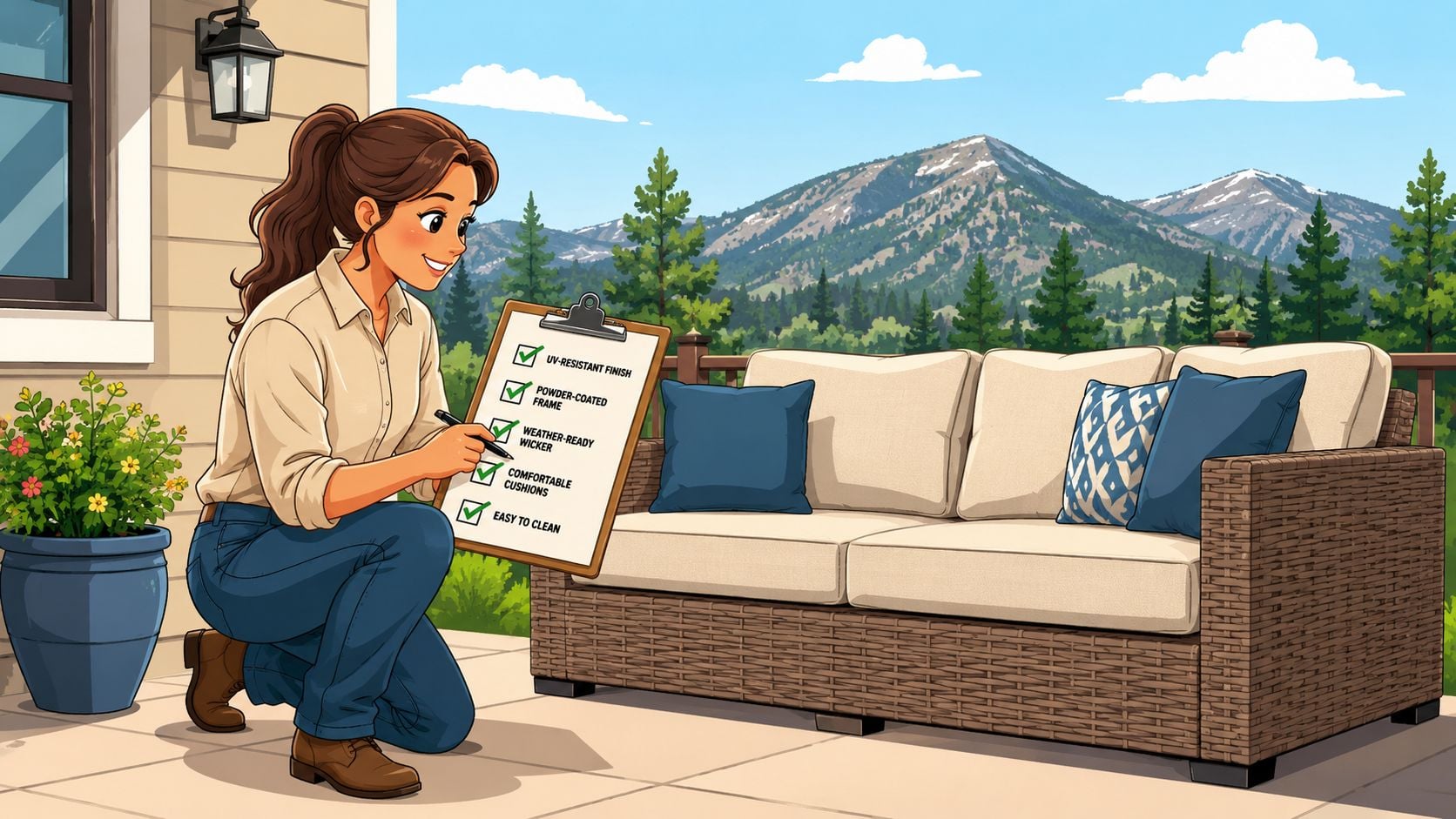
The best all weather wicker sofa purchase starts with questions, not color. Ruidoso homeowners and vacation rental owners should test the complete product before committing.
Inspect the frame first
Ask the seller to identify the frame metal and finish. Powder-coated aluminum is a strong choice for outdoor handling and corrosion resistance, but buyers should still inspect welds, corners, feet, and any areas where the coating may be damaged.
Press down on the arms and sit near the front edge. The sofa should feel stable without excessive flexing or rocking. A floor model that moves under ordinary pressure deserves a closer construction review.
Evaluate the weave and cushions
Look for consistent strand spacing, secure terminations, and clean transitions around corners. Uneven tension can indicate rushed construction, while exposed ends may catch clothing or unravel with use.
Cushions need equal attention:
- Drying: Confirm that covers can be removed and that the filling isn't likely to remain saturated.
- Fabric: Ask about UV resistance and cleaning instructions.
- Fit: Check whether cushions stay in place when someone sits down or stands.
- Storage: Decide where cushions will go during snow, heavy rain, and vacant periods.
Ask the questions that marketing avoids
A practical shopping conversation should cover:
- What happens if a fastener corrodes?
- Are replacement cushions and hardware available?
- Is the frame covered separately from the weave?
- Can the sofa remain outside through snow if cushions are stored indoors?
- Does the warranty apply to a vacation rental?
- What cleaning methods are approved?
- How should the sofa be leveled on gravel or uneven pavers?
Match the sofa to the property
A covered porch, exposed deck, grassy yard, and gravel terrace each demand different care. Rental owners should choose a design that guests can use comfortably without creating a maintenance problem for every turnover.
The strongest recommendation is straightforward: choose documented HDPE resin, a powder-coated aluminum frame, durable hardware, removable cushions, and a realistic storage plan. Buyers exploring complementary local style can also review this Mexican rustic décor resource before selecting finishes and colors.
Mattress Pro by Miller Waldrop focuses on sleep systems rather than outdoor seating, with personalized guidance on Tempur-Pedic, Sealy, Stearns & Foster, and Sherwood mattresses for Ruidoso and Lincoln County households. Visit Mattress Pro by Miller Waldrop at 2801 Sudderth Drive, Suite F, for local service, the Comfort Promise, the Low Price Promise, and Full-Service Delivery with Professional Setup.