

Mexican Rustic Decor: Cabins and Mountain Homes Guide


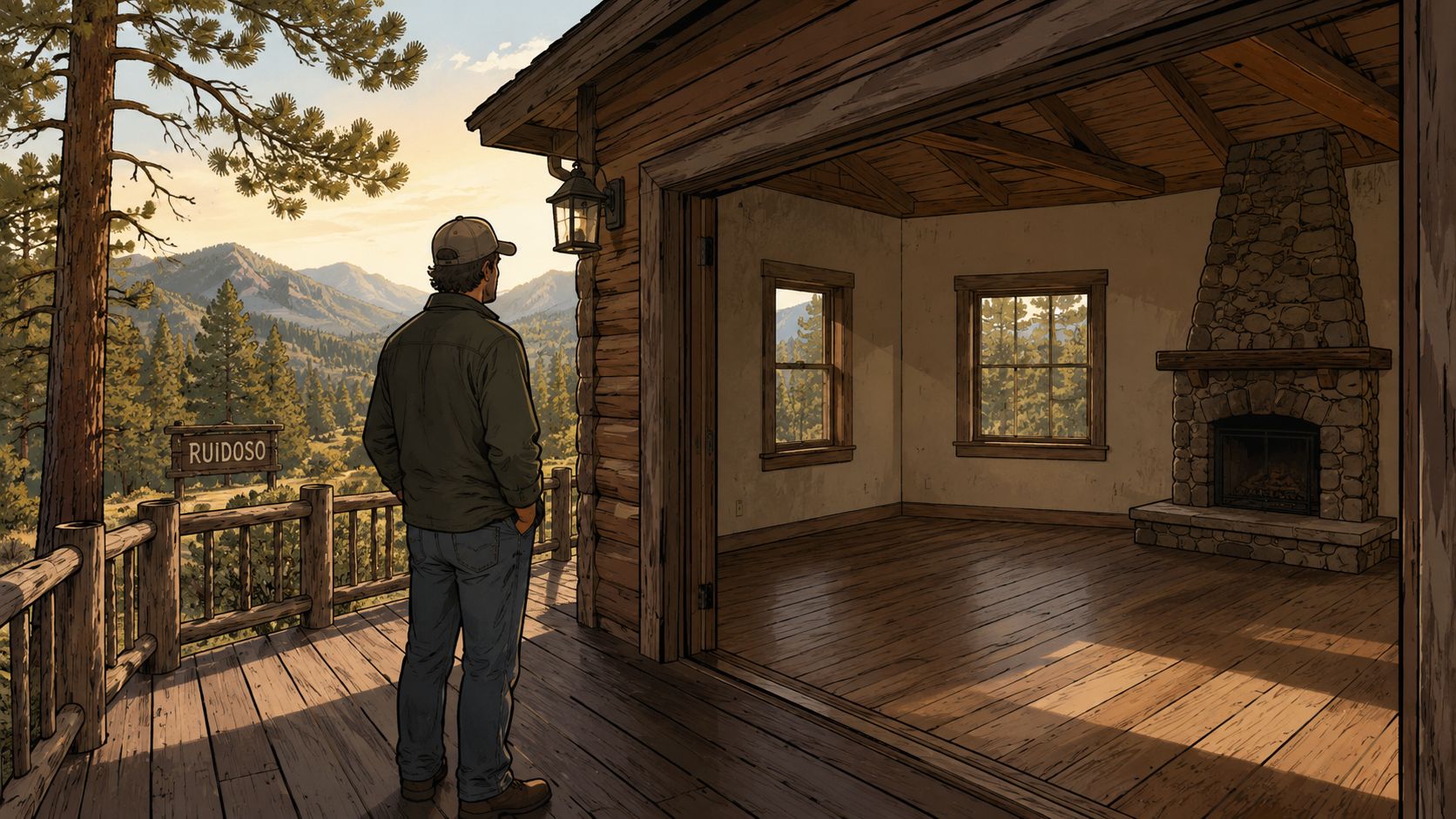
You can stand in a half-finished mountain room with a paint chip in one hand and a mattress tag in the other, and the whole place still feels undecided. The walls may be waiting on the right wood, the rug may not be here yet, and the bedroom may still be borrowing whatever bed got the job done last time. That's where mexican rustic decor earns its keep in Ruidoso, because the style isn't about pretending a cabin is a museum. It's about building a space that looks grounded, feels warm in dry mountain air, and supports real sleep after a long day on the road, on the slopes, or up in Lincoln County.
What Mexican Rustic Decor Really Means in a Mountain Home
A cabin can have the right wood trim, the right iron lamp, and still feel off if the room only copies a look instead of understanding the material behind it. Mexican rustic decor works best in a mountain home when it feels lived in, sturdy, and ready for real rest after cold air, dry air, and long days outside.
A style built from practical history
Mexican rustic decor comes from a long material history, not a passing trend. Before the Spanish arrived, everyday furnishings already relied on woven leaves, grasses, fibers, and the petate, a grass-woven mat that served as a chair seat, bed, table, and even a door. After the 16th century, Spanish colonial methods added woodworking tools, iron forging, mortise-and-tenon construction, and forged hardware, which helped form the rugged handcrafted look associated with the style today. After 1821, furniture production became less labor-intensive and more affordable, and lighter woods like Mexican cypress, white pine, and heart pine became more common, widening access to the look. That history is documented in the development of Mexican furniture styles (Gringo Furniture).
That background explains why the style reads as honest, functional, and handmade. It accepts visible grain, worn edges, and a little irregularity as part of the design. In a mountain home, that matters because cabins already deal with dry air, temperature swings, and hard use from guests or family. A finish that can handle those conditions will usually age better than one that only looks good in a showroom.
Practical rule: if a piece looks too glossy, too thin, or too perfect, it usually does not belong here.
Why mountain homes suit it so well
The style also moved well because it could scale from hacienda-sized rooms into smaller homes and rentals. A broader furniture-industry source notes a stable formal sector in Mexico in the 1990s, and that rustic furniture stayed popular because of traditional carpentry, special finishes, and aging treatments that create a rural aesthetic with broad appeal (UNAM thesis). That same path helped Mexican rustic design become legible in Southwestern and hacienda-inspired interiors beyond Mexico.
For a Ruidoso cabin, the takeaway is simple. Mexican rustic decor works when the room feels built from materials that can take a little weather, a little dust, and a lot of use. It also gives you a strong starting point for the bedroom, where style has to support sleep as well as appearance. For a local example that connects rustic character with practical home choices, see Route 54 home decor ideas.
Choosing the Right Materials and Color Palette
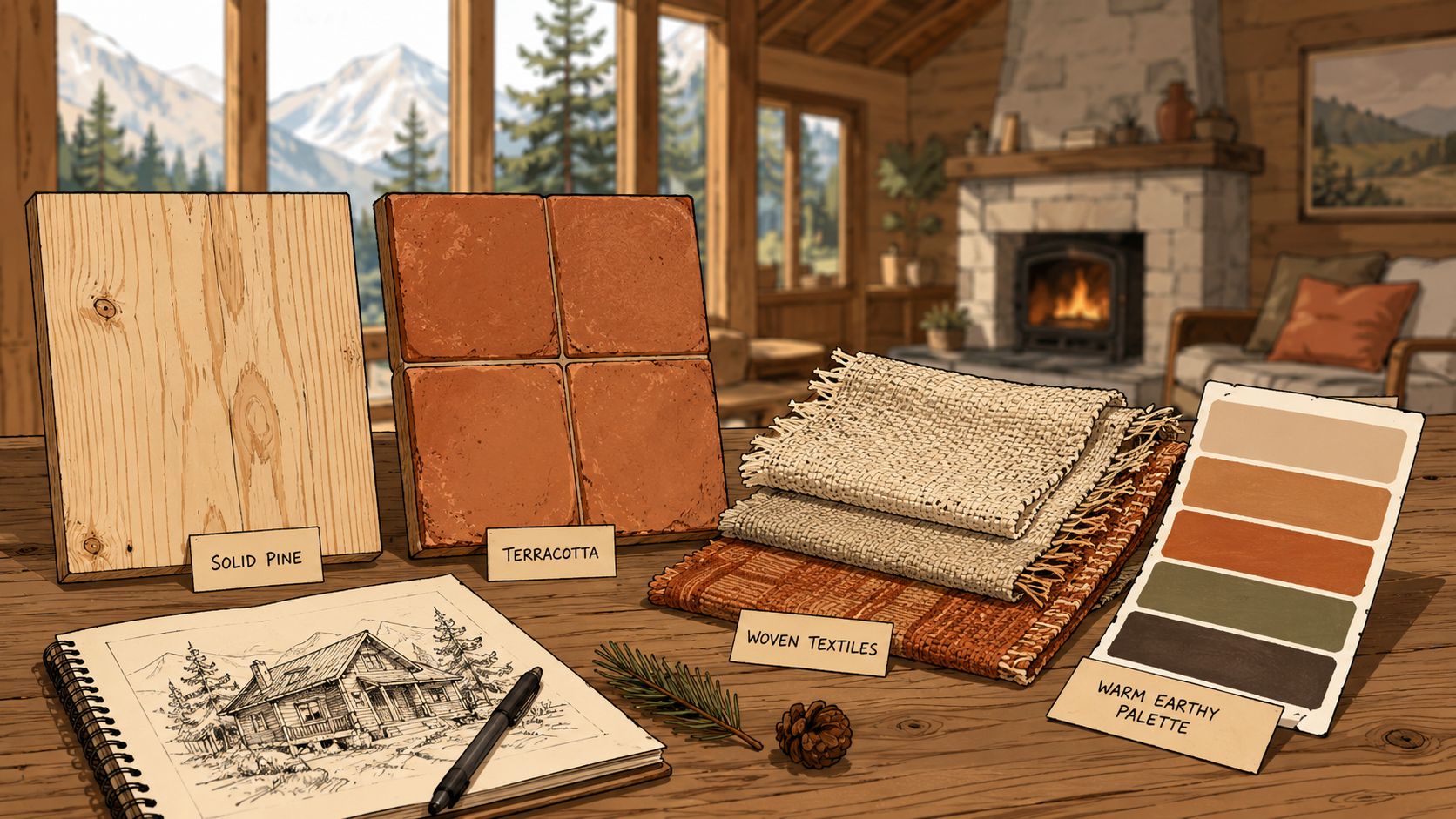
The first decision is material, because the surface tells the truth before the styling does. Authentic Mexican rustic decor is usually built around solid pine, reclaimed wood, mesquite, and wrought iron. In practice, the heavier, denser stock gives the room the durable, grounded feel people expect, while lighter construction with a distressed finish often reads as imitation.
What to prioritize at the lumber yard
Start with the wood itself. If the goal is authenticity, look for grain, knots, cracks, and color variation instead of hiding them. Those marks are part of the language of the style, not defects to sand away.
Use this short checklist when you're comparing pieces:
- Solid pine or mesquite: better when you want weight and a lasting presence.
- Reclaimed wood: useful when you want age, character, and a more grounded finish.
- Wrought iron details: ideal for hinges, pulls, lamp bases, and structural accents.
- Natural oil or wax finishes: better suited to dry mountain air than a thick plastic-looking topcoat.
A source on rustic Mexican furniture notes that wood selection is a first technical control point, because dense old-growth or reclaimed stock produces the heavier look associated with the style, while imitation pieces often rely on surface-only distressing (DeMejico). In a cabin, that difference shows up fast in how the room ages.
Color should warm the room, not flood it
The color rule is just as direct. The style favors a warm, earthy base with accents in terracotta, burnt orange, ochre, mustard yellow, brick red, and cobalt blue. Those hues are strongest when they sit against neutral walls or a simpler background, so the room doesn't feel visually crowded (Homes & Gardens).
That matters in mountain homes because low winter light can make dark walls feel heavier than they looked in the store. Terracotta and ochre usually work better than a fully saturated palette, especially near wood stoves or stone fireplaces. Dry mountain air also rewards waxed or oiled finishes, because they tend to keep the surface looking lived-in without the hard shine that can make rustic pieces feel stiff.
Material rule for cabins: choose one dominant wood tone, one iron finish, and one accent color family, then let texture do the rest.
For a practical shopping pass, think in this order, wood first, iron second, color third. That keeps the room from turning into a pile of decorative ideas.
Room by Room Application for Cabins and Rental Homes
The same rustic vocabulary lands differently depending on the room. A living room can handle weight and drama. A kitchen needs function first. A bathroom needs only a few strong gestures before it starts to feel complete.
Living rooms can carry the heaviest pieces
The living room is where the style can look fullest without feeling overdone. A heavy wood coffee table, hand-forged iron candleholders, and a Saltillo tile or terracotta accent rug usually do more than a dozen small objects ever could. If the sofa is already substantial, keep the rest simple and let the table grain and ironwork do the work.
Kitchens need a cleaner hand
The kitchen benefits from Talavera tile as a focal surface, not as random decoration. It can work as a backsplash, a framed sink area, or even a stair-riser accent in a home with open transitions. Open wood shelving and a mesquite island can deepen the look, but the room still needs room to breathe.
A tile-focused surface can be practical too, because authentic hand-painted tiles from specialty importers are often used on backsplashes, stair risers, fireplaces, sinks, mirrors, and bathrooms, with reported prices around $1.50 to $4.00 per tile depending on complexity (Homestyler). That gives you a real reason to reserve the pattern for the places people notice.
Bathrooms only need a few clear signals
Bathrooms work best when they feel edited. A Talavera-framed mirror, clay sink, and iron towel bars usually go farther than trying to tile every inch. That same restraint helps the room stay calm, which matters in a space that should support winding down, not visual noise.
For apartment-sized homes or rentals, the style still works if you scale it correctly. Built-ins, a compact breakfast bar, terracotta pots, and stair-riser tile can carry the feeling without permanent renovation. A single mirrored nightstand or a small wood-and-iron accent can also anchor the room without crowding it. A mirrored nightstand can be a practical fit in a compact bedroom setup, especially when the bedroom has to do more than one job.
The smart move is to choose two or three elements per room, not eight. That keeps the cabin from sliding into theme-park territory.
Lighting, Textiles, and the Ironwork Details That Finish It
A room can look right in daylight and still feel off after sunset. In a mountain cabin, that usually comes down to scale, shadow, and the way materials behave once the sun drops behind the trees. Lighting sets the temperature of the room, and in rustic spaces the wrong fixture can make wood look flat and the whole place feel colder than it should.
Light the room with warmth
Hand-forged iron chandeliers with punched tin details work because they cast pattern as well as light. Wall sconces with amber glass, parchment or mica shades, and ceramic table lamps on nightstands all push the room toward a warm, honeyed glow instead of a hard wash of light. That matters in a cabin, especially after dark, when the bedroom should help the body settle rather than keep it alert.
Layer the lighting so each part of the room has a job.
- Overhead: one iron chandelier or a similar statement fixture.
- Mid-level: sconces or table lamps that soften corners.
- Bedside: ceramic lamps that feel grounded, not shiny.
The fixture choices should match the room's use. A guest cabin that gets read in bed needs softer bedside light than a weekend retreat where the chandelier does most of the work. If the room already has strong wood grain, warm light keeps it from reading heavy or dim.
Use textiles with restraint
Textiles add depth when they are chosen with care. Saltillo, Zapotec, and natural wool weaves fit the style because they bring texture and handwork, but one bold textile per room is usually enough. A rug, a throw, or a pair of pillows can carry the pattern without turning the space into visual noise.
A room feels more authentic when the textiles look chosen, not collected all at once.
That same restraint helps the bedroom sleep better. Heavy pattern everywhere keeps the eye active, while a single woven accent lets the rest of the room settle. In a cabin, the goal is warmth without clutter, so the fabric should support rest instead of competing with it.
Ironwork finishes the story. Strap hinges, clavos, hammered pulls, and a single statement candleholder give the eye a few places to land. A small accent can do the same job without crowding the room, and a antique brass side table works well when you need one grounded surface beside the bed or reading chair. The cleaner, more curated rustic look also tends to read better than filling every surface with decoration, which helps a rental cabin feel current without feeling stiff.
If the room already has wood, tile, and one good light source, stop there and let the materials breathe.
DIY Projects That Pull a Cabin Together on a Weekend
Weekend projects work best when they solve one visible problem at a time. The goal isn't to remake the house. It's to add enough texture and shape that the room finally feels intentional when someone walks in with a bag and a key.
Start with the smallest wins
A Talavera-painted mirror frame is a strong beginner project. It usually takes one afternoon, a clean frame, paint or decoupage materials, and a steady hand more than a workshop full of tools. A no-sew pillow cover is even simpler, since fabric glue or adhesive strips can create the look without committing to a sewing machine.
Move up only if the structure is sound
A reclaimed-wood floating shelf or faux-headboard plank wall gives a bigger payoff, but both need level walls, accurate measurements, and a drill you trust. These projects fit an intermediate builder who can handle anchors, spacing, and finish sanding without guessing. When the wall is questionable, stop before the damage starts.
Reversible options matter in rentals
Rental cabins need a different strategy because not every wall can be drilled. Peel-and-stick Talavera stickers, freestanding iron room dividers, and tension-rod textile panels can all create the effect without permanent changes. They also make turnover faster, which matters when guests arrive back-to-back.
A simple way to save money is to spend on one hero piece, then fake the rest with restraint. An iron chandelier or mesquite table usually justifies the budget because it changes the entire room. A $40 DIY substitute can work for framed art, pillow covers, or a small accent shelf, especially when it's seen in a guest photo rather than touched every day.
Weekend stop point: if the project needs structural repair, custom carpentry, or electrical work, it's time to bring in a pro.
That line saves time, money, and a lot of unfinished weekends.
Finishing the Bedroom for Sleep That Matches the Style
A bedroom can carry the whole cabin or weaken it fast. If the rest of the home feels honest but the sleep space runs too hot, looks generic, or leaves the mattress mismatched to the frame, the room stops earning its place. In a mountain house, the bedroom has to do two jobs at once, it should look like part of the architecture and still help the body settle down at night.
Pair the frame and the mattress with the climate
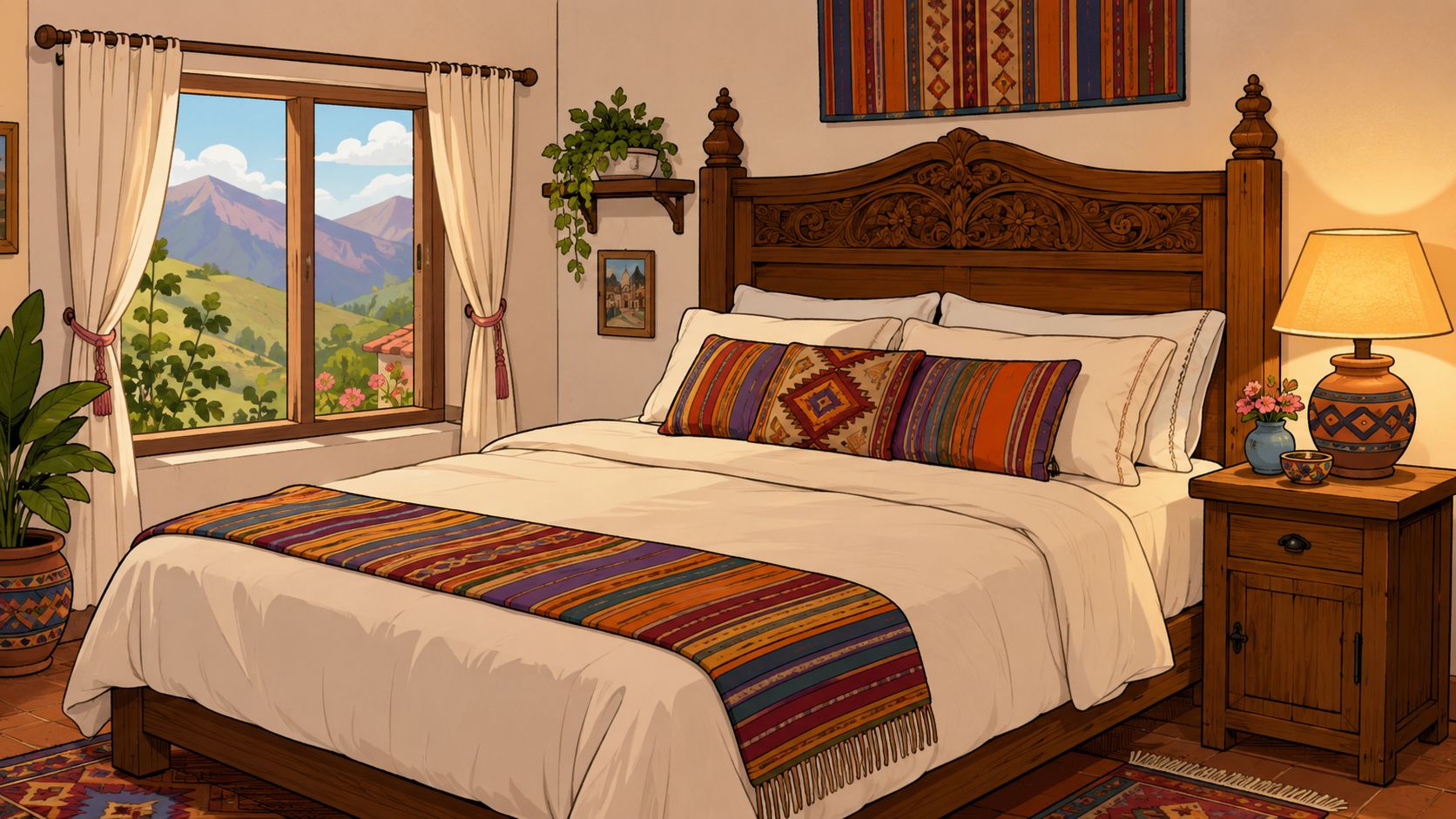
A heavy mesquite or reclaimed-wood bed frame fits the style because it brings real visual weight without extra decoration. The mattress under it should do just as much work as the headboard. In dry, cool mountain air, a bed that balances pressure relief with cooling gel layers usually serves better than one that holds heat or sinks too much.
Hybrid construction can make that balance easier to get right. It supports alignment while still giving some of the cooling response mountain homes often need. The right choice still depends on body type, sleep position, and comfort preference, so an in-person fitting gives better results than a guess made from a product page. Mattress Pro by Miller Waldrop keeps that process focused on the room and the sleeper, with the Comfort Promise, the Low Price Promise, and Full-Service Delivery with Professional Setup. For buyers who want the base to match the room cleanly, affordable platform beds can also help keep the frame low, stable, and in scale with rustic furniture.
The concern about getting the bed wrong is real, especially after a room is already finished and the mattress still has to fit the space, the frame, and the person using it.
Keep bedding quiet and breathable
Natural-fiber bedding belongs here because it supports the style without fighting it. Undyed cotton, wool, and linen bring the same grounded texture seen in rustic furniture, but they do not overload the room with pattern or color. A woven throw or a simple blanket is often enough.
For rental bedrooms, the fastest change usually starts with the basics. A queen mattress, a single iron wall hook, and one woven throw can turn a plain room into something deliberate in an afternoon. That matters in a cabin bedroom that needs to photograph well, feel welcoming, and still support real rest.
The bedroom should finish the design by making sleep easier, not harder. A beautiful cabin that does not help you rest is just a museum.
Maintenance, Local Sourcing, and Your Next Step
Wood and iron age well when they're cared for like working materials. Wax over polyurethane keeps rustic wood looking believable, and a little oil on hinges helps the iron stay functional instead of squeaky. Terracotta floor tiles usually respond well to a yearly refresh, which keeps the surface from looking dusty or tired.
Sourcing with local judgment
In and around Ruidoso, Alto, and Lincoln County, ask for pieces that feel solid in the hand and honest in the finish. When ordering from Santa Fe or El Paso, request the wood species, the finish type, and whether the tile is hand-painted or printed. For Talavera, the brushwork and variation matter more than uniform perfection.
A quick cultural check helps too. Mexican rustic decor is rooted in indigenous, Spanish colonial, and later regional traditions, so it's better to use regional specificity than to flatten everything into one generic “Mexican look.” That keeps the room respectful and avoids turning craftsmanship into a stereotype.
For a local browsing stop, Ruidoso antique stores can be useful for finding pieces with age and character, especially when a room needs one solid anchor instead of a full overhaul.
If the cabin is ready for the bedroom to match the rest of the home, Mattress Pro by Miller Waldrop can help you sort out the mattress side of the design, from feel and support to delivery and setup. Visit Mattress Pro by Miller Waldrop to browse sleep solutions that fit real mountain living, then stop by for a hands-on fit check at 2801 Sudderth Drive, Suite F, in Ruidoso.