

How to Choose a Mattress: Your Expert Ruidoso Guide

You’re probably here because mattress shopping stopped being simple. You start with one search, then an hour later you’re staring at a screen full of white rectangles, buzzwords, and promises that every bed is “perfect for every sleeper.” Meanwhile, your real problem hasn’t changed. You still wake up sore, toss around at night, or wonder if the bed in your cabin, guest room, or primary bedroom is doing your body any favors.
Around Ruidoso, that question gets even more personal. A lot of folks here spend their days hiking, working on their feet, driving long distances through Lincoln County, or keeping up with grandkids and guests. Your mattress isn’t just furniture. It’s part of how you recover, how you manage pressure points, and how you feel when morning comes.
That’s why mattress shopping works better when it feels less like gambling and more like getting advice from someone who knows the difference between a soft first impression and real long-term support. In a town like ours, where Miller Waldrop has served neighbors for 70 years, that kind of guidance still matters.
Table of Contents
- Your Guide to Navigating the World of Mattresses
- Start by Decoding Your Unique Sleep Profile
- The Science Behind a Great Night's Sleep
- The In-Store Test Drive Finding Your Perfect Fit
- Buy with Confidence Our Promises to You
- From Our Showroom to Your Bedroom and Beyond
- Wake Up Loving Your Mornings
Your Guide to Navigating the World of Mattresses
Most mattress frustration starts with too many choices and not enough context. Online, every bed can look good for five minutes. What you can’t tell from a product page is whether it keeps your spine in a better position, eases pressure off your shoulder, or stays comfortable after a full night instead of a quick lie-down.
That’s where people often get tripped up. A mattress can feel plush in a showroom or sound impressive on a website, then leave you waking up stiff after a week. That isn’t because you picked “wrong” in some simple way. It’s because how to choose a mattress depends on your sleep position, body type, health concerns, and even the environment you sleep in.
In Ruidoso and Alto, I’ve seen that play out for active retirees, couples with different firmness preferences, and cabin owners trying to furnish a room guests will sleep well in. The right bed for a side sleeper with shoulder pressure is rarely the same bed that suits a back sleeper who wants a flatter, more lifted feel.
Practical rule: Don’t shop by label first. Shop by how your body needs to be supported through the night.
A good mattress decision usually comes down to a few real-world trade-offs:
- Softness versus support: Too soft can let the body sink unevenly. Too firm can create pressure points.
- Cooling versus contouring: Some materials hug the body more closely, while others allow more airflow.
- Bounce versus motion control: Couples often need a balance between easy movement and less partner disturbance.
- Budget versus lifespan: A lower upfront price can be appealing, but comfort and durability still have to carry the load.
Families around Lincoln County have trusted Miller Waldrop for generations because those trade-offs are easier to sort through with a conversation than with a quiz on a website. You don’t need a perfect marketing phrase. You need a bed that fits your body, your room, and the way you live.
Start by Decoding Your Unique Sleep Profile
A lot of Ruidoso shoppers come in with the same question after a few rough nights. Why does the mattress feel fine at first, then leave the shoulders tight, the low back sore, or the legs restless by morning? The answer usually starts with your sleep profile, not the brand tag.
Sleep position tells you where to start
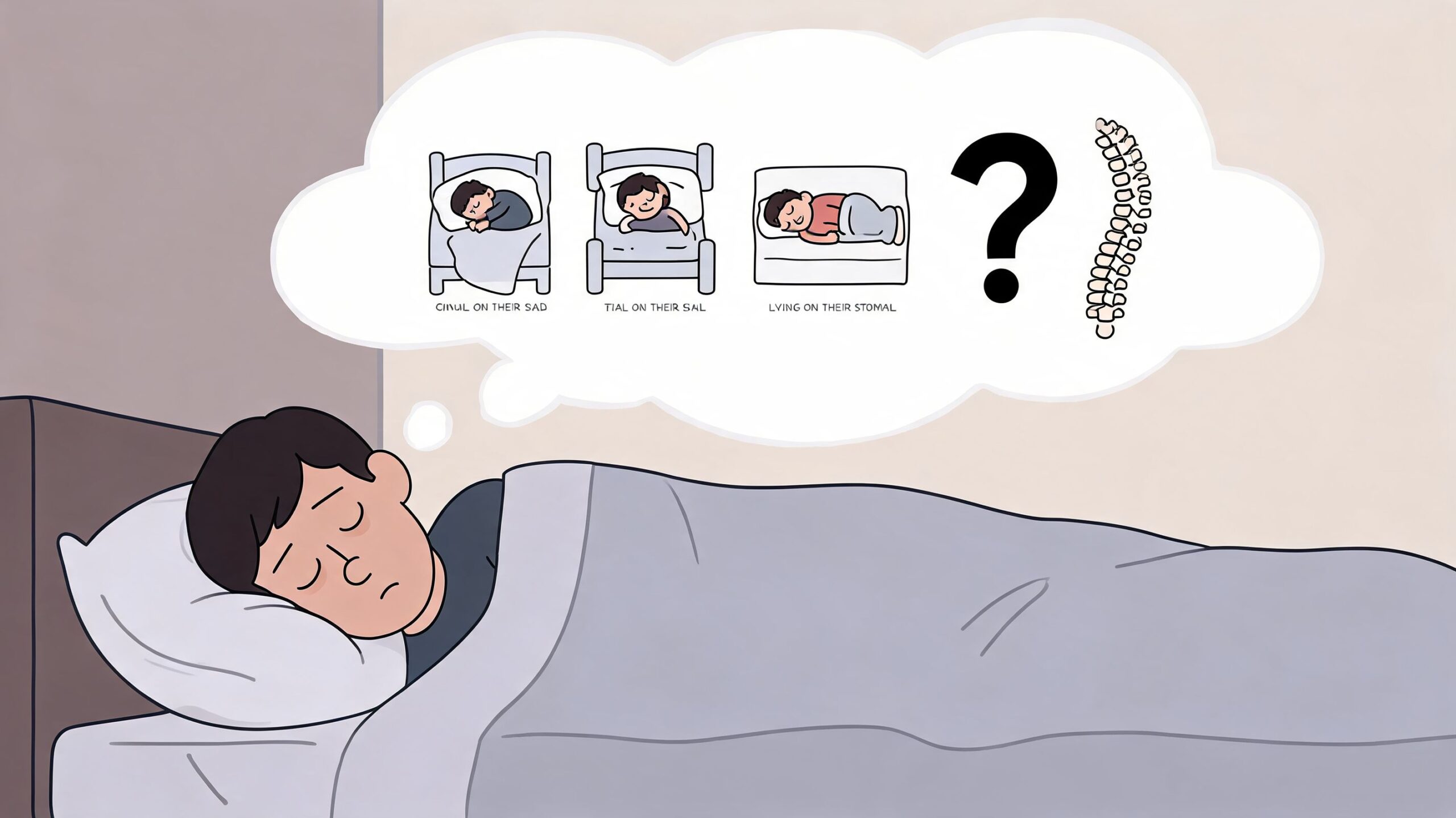
Sleep position gives you a practical starting point. Side sleepers usually need more pressure relief at the shoulders and hips. Back sleepers often do better with a flatter, more level feel through the torso. Stomach sleepers usually need firmer support to keep the midsection from dipping and pulling the spine out of line.
Combination sleepers need a bed that can do two jobs at once. It should cushion enough for the joints, but still let you change positions without feeling stuck.
If you want a more detailed breakdown by position, this guide on choosing the right mattress for your sleeping style lays out what to look for.
Body type changes the feel fast
Firmness is personal because body weight changes how much you settle into the bed. A mattress that feels nicely balanced to one person can feel hard to a lighter sleeper or too giving to someone with a broader frame.
In the showroom, I tell people to ignore the number on the tag for a minute and pay attention to what their body is doing. Are the hips dropping too far? Is there pressure building at the shoulder? Does the lower back feel supported, or does it feel like it has to hold itself up? Those answers matter more than a soft, medium, or firm label.
A simple way to sort it out:
- Lighter sleepers: Often need comfort materials that let the body engage the surface enough to get pressure relief.
- Average-build sleepers: Usually have the widest workable range and can focus more on feel and motion preference.
- Heavier sleepers: Often need a sturdier support system and comfort layers that do not let the torso sink too far.
Pain patterns, recovery needs, and mountain living matter
Here in the mountains, sleep is tied closely to recovery. Neighbors who spend the day hiking, skiing, riding, golfing, or working on their feet usually notice the same pressure points first. Shoulders, hips, lower back.
Altitude and dry air can factor in too. Some sleepers wake up warm, toss more, or feel every pressure point more sharply after a long active day. In those cases, the right mattress is not just about softness. It has to balance pressure relief, support, and airflow in a way that fits how you live in Ruidoso.
Couples have another layer to sort through. One partner may want contouring for sore joints, while the other wants a steadier, firmer surface. Online quizzes struggle with that kind of trade-off. A local fitting lets you test those differences side by side and make a decision based on what both bodies need.
One caution from years on the showroom floor. A mattress can feel pleasant in the first minute and still be wrong by sunrise. Give each bed enough time, settle into your usual position, and pay attention to what changes after the initial softness wears off. That slower approach saves a lot of second-guessing later.
The Science Behind a Great Night's Sleep
Mattress construction decides how your body is held up for seven or eight hours at a time. The right build keeps your spine on a steadier line, eases pressure at the joints, limits motion from a partner, and helps heat escape instead of collecting around you.
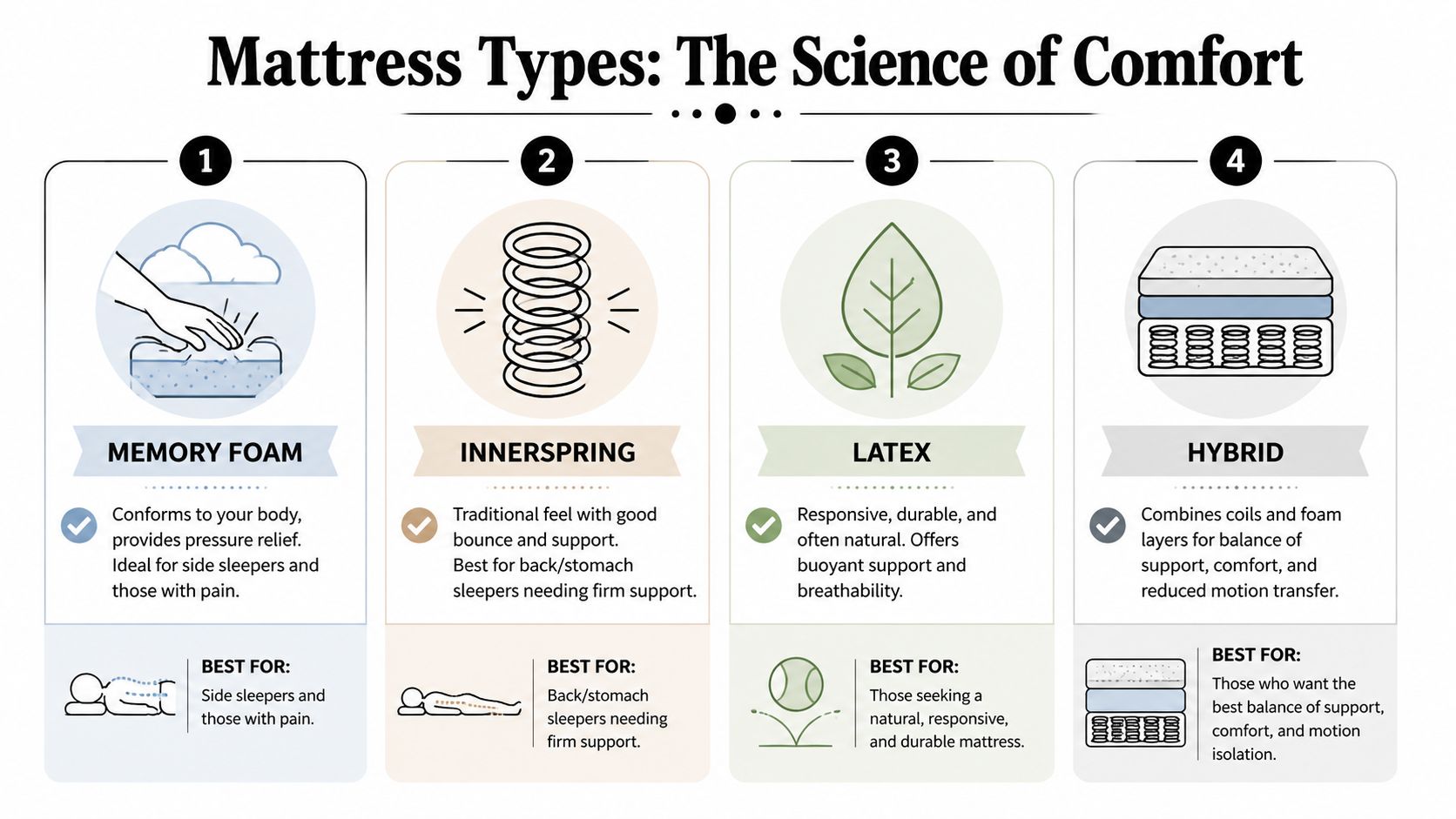
Here in Ruidoso, those details matter more than many shoppers expect. A day spent hiking, skiing, riding, or working on your feet changes what feels good at bedtime. At our elevation, sleepers also tend to notice heat buildup, dryness, and restless position changes faster, so the materials inside the mattress can make a real difference by morning.
Memory foam and pressure relief
Memory foam contours closely and spreads weight across a wider surface. That usually helps with sharper pressure at the shoulders, hips, and lower back, which is why side sleepers and shoppers with joint pain often respond well to Tempur-Pedic and other well-built foam designs.
The trade-off is movement. Some all-foam beds have a deeper cradle that feels calming at first but makes turning over take more effort later in the night. For Ruidoso homes, I usually steer shoppers toward foam models with stronger cooling design, such as more breathable covers, open-cell foams, or gel layers, instead of older dense foams that can hold heat.
Innerspring and classic support
Innerspring mattresses use coils to create a more lifted, traditional feel. They are usually easier to move on, and that quicker response often works well for back sleepers, stomach sleepers, and anyone who does not want to feel settled down into the bed. Sealy and Stearns & Foster both build coil beds that keep that familiar support while adding more comfort on top than older spring mattresses used to offer.
Plenty of people still prefer this category. As noted earlier from Sleep Doctor’s mattress statistics, foam, innerspring, and hybrid models each hold a meaningful share of the market. That matches what I see in the showroom. There is no single mattress type that wins for every body.
Hybrid and the middle ground many people need
Hybrid mattresses pair a coil support core with foam or similar comfort layers above it. For many couples, that combination solves the tug-of-war between cushioning and pushback. You get more contouring than a traditional spring bed, but more airflow and easier movement than many all-foam models.
Many Ruidoso shoppers land on this option when they want one mattress to cover recovery, cooling, and support without too much sink. It is often a smart fit for active adults who wake up sore, couples with different comfort preferences, and combination sleepers who change positions through the night.
For readers who want to pair mattress shopping with better sleep habits at home, this guide on how to improve sleep quality is a useful next read.
Comfort and support matter more than marketing language. A mattress should let your body rest in alignment and recover from the day, not leave your back and shoulders doing extra work until sunrise.
A quick comparison of mattress types
| Mattress type | What it tends to do well | What to watch |
|---|---|---|
| Memory foam | Pressure relief, motion control | Can feel slower or warmer depending on design |
| Innerspring | Lifted support, easier movement | May feel firmer at pressure points |
| Hybrid | Balance of contour and support | Feel varies a lot by build |
| Latex | Buoyant feel, breathability | Not everyone likes the springier response |
One mistake I still see after years helping local families choose beds is assuming firmer always means better support. In practice, a mattress that feels too hard can create pressure points, especially after an active day in the mountains. Good support comes from keeping your body aligned while giving your shoulders, hips, and lower back enough room to settle naturally.
The In-Store Test Drive Finding Your Perfect Fit
You spend a Saturday hiking at Grindstone, come home tired in the good way, and by morning your shoulder is talking back. That is the kind of problem a showroom test can catch fast. A spec sheet cannot tell you whether your body settles well on a mattress after a real Ruidoso day.

Why the showroom still matters
Up here, sleep is shaped by mountain living. Bedrooms can run cool at night, the air is dry, and many local customers want a mattress that helps them recover after hiking, riding, skiing, or long days on their feet. Online filters do not account for that very well.
Altitude matters too. The Sleep Foundation guide to choosing a mattress notes that sleep can be affected at higher elevations because lower oxygen levels may disrupt normal sleep patterns. That does not mean one mattress solves altitude on its own. It does mean breathability, pressure relief, and the right support feel more important when sleep is already easier to interrupt.
After years on Sudderth helping families, retirees, and cabin owners sort through options, I have seen the same pattern. People often walk in focused on a brand or a firmness label and leave with something different once they lie down and compare. Local guidance does not guarantee less morning fatigue by a fixed percentage. It helps reduce bad matches because the choice is based on how you sleep here, not on a generic quiz.
How to test a mattress the right way
Give each mattress enough time to tell the truth. Five to ten minutes in your normal sleep position is a better test than sitting on the corner for twenty seconds.
Use this checklist when you come in to try beds on Sudderth Drive:
- Lie down long enough: Stay put long enough for your shoulders, hips, and lower back to respond.
- Use your usual position: Side, back, stomach, or the positions you rotate through at night.
- Notice where you tense up: If you feel yourself bracing anywhere, the fit is probably off.
- Check movement: Roll over, get in and out, and sit at the edge if that matters for your routine.
- Bring your pillow if it is part of your setup: Pillow height changes what you feel through your neck and shoulders.
If you want help sorting out soft, medium, and firm before you shop, this guide on how to choose a mattress firmness will give you a clearer starting point.
What local guidance changes
A local fitting process catches details that online shopping misses. A couple in Alto may need stronger edge support because one partner sits to dress each morning. A vacation rental owner may need a comfort range that works for many different guests. Someone recovering from long hikes may discover that the mattress they thought felt supportive is creating pressure through the shoulder and hip after a few quiet minutes.
Mattress Pro by Miller Waldrop uses body-mapping and side-by-side comparisons to narrow the field based on pressure points, support needs, and budget. That approach is practical. It gives you a shorter list, clearer trade-offs, and a better shot at getting the mattress right the first time.
Buy with Confidence Our Promises to You
You get a mattress home, sleep on it through a few cold mountain nights, then wake up sore after a long hike or a day on your feet. That is the main concern behind mattress shopping in Ruidoso. Comfort in a showroom is one thing. Recovery at altitude, in your own bedroom, is what counts.

Look for a real trial period
A mattress can feel supportive for ten minutes and still prove wrong after two weeks. Muscles relax differently at home. Pressure points show up later. Couples also notice motion, warmth, and edge support more clearly once the mattress becomes part of everyday life.
That is why policy matters as much as first feel.
Guidance from John Ryan by Design on choosing a mattress points shoppers toward a trial period of at least 100 nights, a clear warranty, and durable construction. Those are useful standards because they protect you from making a rushed decision based on a short showroom test.
Understand what the warranty does, and does not, do
A warranty covers manufacturing defects. It does not guarantee that your shoulders, hips, and lower back will all agree with the mattress after a month of real sleep.
Read the terms in plain English before you buy. A non-prorated warranty is usually easier to understand than one that shifts more cost to you over time. Then look past the paper. Material quality, support design, and how well the mattress holds its shape matter just as much as the length of coverage.
I tell shoppers to separate two questions. First, will this mattress hold up? Second, will it still feel right after your body has fully adjusted? You want a good answer to both.
Why local policies matter more in mountain towns
Online brands can ship a box to your porch. They cannot watch how your spine lines up, compare two models side by side, and help you judge whether a softer top is soothing your shoulder or letting your midsection sink too far.
That local guidance matters in Ruidoso. Active sleepers often come in needing pressure relief for recovery, but they still need enough support to avoid waking up stiff. At altitude, small comfort problems can feel bigger after a restless night. A strong policy gives you room to confirm that the mattress works under real conditions, not ideal ones.
Mattress Pro by Miller Waldrop backs that process with a Comfort Promise that gives you a clear path if the feel is not right after sleeping on it at home. After 70 years of helping families across Ruidoso and Lincoln County, that kind of follow-through matters because the goal is not merely to sell a mattress. The goal is to get the fit right.
The Low Price Promise helps you compare value accurately. Flexible financing helps if you want a better mattress without putting all the cost into one month. Together, those protections lower the risk and make it easier to choose for long-term sleep, not short-term guesswork.
From Our Showroom to Your Bedroom and Beyond
You feel the difference after the sale.
In Ruidoso, that starts with the trip home. A mattress has to make it up mountain roads, around tight corners, and into bedrooms that are not always built for easy furniture moves. Cabins, split-level homes, narrow staircases, and steep driveways can turn delivery day into a strain on your back before the mattress ever supports it. That is why many local families want more than a drop-off at the curb. They want a crew that brings it in, sets it up correctly, and takes away the old mattress so the room is ready to use that night.
If you want to see how that works, full-service delivery and in-home setup details give you a clear picture of what to expect.
Good sleep also depends on what happens after the mattress is in place. Mountain living puts different wear on a bed. Dry air, temperature swings, extra time spent outdoors, and bodies that come home sore from hiking, skiing, ranch work, or long days on your feet all make support and surface condition matter more. I tell people to treat mattress care like boot care. A little steady attention keeps the product doing its job longer.
Start with a few habits that matter:
- Use a mattress protector: It shields the comfort layers from sweat, spills, and everyday buildup.
- Rotate if the manufacturer recommends it: That can help the surface wear more evenly.
- Check your base or foundation: The wrong support underneath can shorten the life of the mattress and affect how it feels.
- Address problems early: If something feels off, handle it before minor body impressions or support issues become harder to ignore.
When should you replace your mattress
There is no perfect calendar date, but many households start taking a hard look at replacement once a mattress has several years of regular use on it. Age matters. Body changes matter too. A mattress that worked well a few years ago may not fit the way you sleep now, especially after an injury, weight change, or a shift in sleep position.
Your body usually notices first.
Watch for these signs:
- Morning stiffness: Especially if you loosen up after you get moving
- Pressure at the shoulders, hips, or low back: A common complaint for side sleepers and active adults in recovery
- Visible dips or uneven spots: Even small ones can change alignment through the night
- More tossing and wake-ups: Sleep gets lighter when comfort and support drift out of balance
- A change in your needs: Aging joints, a new health issue, or a different routine can all call for a different feel
A mattress can still look fine and still stop helping you sleep well. After 70 years in this community, Miller Waldrop has seen that pattern in every kind of home, from town to Alto to the surrounding county. The goal is not to stretch a mattress past its useful life. The goal is to keep your bedroom working for the way you live and recover here in the mountains.
Wake Up Loving Your Mornings
Choosing the right mattress isn’t about chasing the newest label or picking the one with the loudest marketing. It’s about matching support, pressure relief, breathability, and feel to the body you live in every day. In Ruidoso, that also means accounting for mountain air, active recovery, and the practical realities of your home.
When you approach it that way, buying a mattress feels a lot less confusing. It becomes a process you can trust.
Ready to transform your sleep? Visit our Sleep Pros at Mattress Pro by Miller Waldrop at 2801 Sudderth Drive, Suite F, in Ruidoso. From luxury brands to budget-friendly solutions, we’re here to help you wake up loving your mornings. Browse our collection online or stop by Monday through Saturday.