

Best Mattress for Neck and Shoulder Pain: Sleep Better:

You roll out of bed in Ruidoso, put your feet on the floor, and feel it right away. Your shoulder is tight, your neck doesn't want to turn, and somehow a full night in bed left you feeling less restored than when you climbed in.
That kind of morning can wear on you. If you live in Lincoln County, stay active, and deal with dry mountain air, it can feel even worse after a long week of work, hiking, ranch chores, or time behind the wheel. Many people blame age, stress, or “sleeping wrong,” when the actual problem is often the surface under them night after night.
I've spent a lifetime around beds and sleep systems here in the mountains, and I've seen the same pattern over and over. People try to tough it out on a mattress that's too hard, too soft, or wrong for their body. Then they wonder why their neck and shoulder pain keeps showing up every morning.
This guide is built for that exact problem. It gives you a plain-English path to finding the best mattress for neck and shoulder pain, with advice that fits real life in Ruidoso, Alto, and across Lincoln County.
Table of Contents
- That Morning Ache A Ruidoso Neighbor's Guide to Relief
- Why Your Mattress Might Be Causing Your Pain
- Finding Your Perfect Firmness Level
- Comparing Mattress Types for Neck and Shoulder Relief
- A Personal Buying Guide for Ruidoso Sleepers
- The Miller Waldrop Difference Your Path to Pain-Free Sleep
- Frequently Asked Questions About Your Sleep System
That Morning Ache A Ruidoso Neighbor's Guide to Relief
One of the most common stories I hear goes like this. You wake up, rub your shoulder, slowly turn your head, and tell yourself it must've just been a bad night. Then it happens again. And again.

For some folks, the ache stays local. For others, it runs from the top of the shoulder blade into the neck and up behind the ear. If you're a side sleeper, that pattern is especially familiar because your shoulder takes a lot of pressure during the night.
The pain often starts before you open your eyes
A bed can either help your body recover or keep it irritated for hours at a time. If the surface lifts your shoulder too high, lets your middle sag, or doesn't support your neck correctly, your muscles work while you're supposed to be resting.
Local truth: In a place like Ruidoso, where many people stay active year-round, sleep setup matters more than most people think. A sore shoulder from the day can become a sore neck by morning if your bed keeps you out of alignment.
That doesn't mean everyone needs the same mattress. It means your sleep position, body shape, comfort preference, and even our mountain climate all play a role in what relief looks like.
Real relief starts with the right questions
Before you think about brands or features, ask yourself:
- Where do you feel pain first: Is it the top of the shoulder, the base of the neck, or both?
- What position do you fall asleep in: Side, back, or stomach changes what your mattress needs to do.
- How do you feel after getting up: Looser after moving around, or stiff for hours?
Those answers tell you a lot. They often point straight to the kind of support your current mattress isn't giving you.
Why Your Mattress Might Be Causing Your Pain
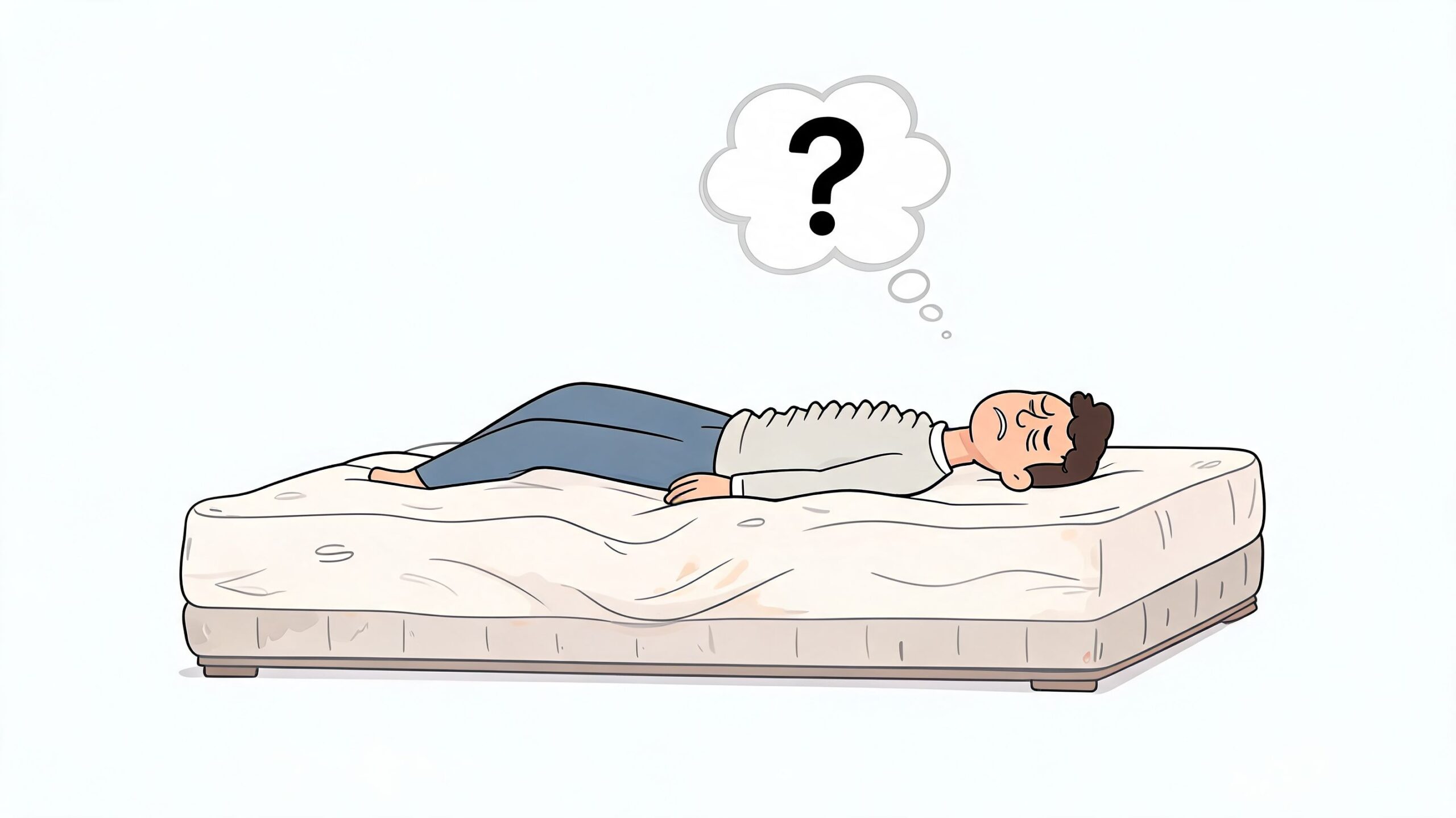
A mattress can cause trouble in two basic ways. It can misalign your spine, or it can create pressure points. Neck and shoulder pain usually shows up when both happen at the same time.
What spinal alignment really means
Think of your spine like a bridge. It needs even support from one end to the other. If one section sits too high or dips too low, the whole structure starts carrying force in the wrong places.
That’s what happens when your mattress doesn't match your body. A randomized controlled trial published by NCBI found that a medium-firm mattress rated about 5.6 on a 1 to 10 hardness scale reduced chronic neck and back pain more effectively than a firm mattress, because it let the shoulders and hips sink slightly while maintaining neutral alignment.
Here’s the simple version:
- Too firm: Your shoulder stays raised, and your neck bends sideways.
- Too soft: Your torso sinks too far, and your upper body twists out of line.
- Balanced support: Your shoulder gets cushioning, but your torso stays supported.
Why side sleepers feel it most
Side sleeping isn't bad. In fact, many people sleep best that way. But side sleepers need the mattress to do a very specific job. It has to let the shoulder settle in enough so the neck doesn't get shoved upward all night.
If that doesn't happen, you get what many sleep pros call a shoulder high point. The shoulder becomes the tallest pressure spot, which pushes the rest of the upper body out of position.
When your shoulder can't sink, your neck has to compensate. It does that for hours, and you feel the bill in the morning.
Common signs your mattress is part of the problem
You don't need a lab test to spot a mismatch. Look for these clues:
- Morning stiffness: You feel worst right after waking, then improve once you move around.
- One-sided soreness: The pain is stronger on the side you usually sleep on.
- Frequent position changes: You toss around because one shoulder gets uncomfortable.
- Numbness or pressure: Your arm or shoulder feels compressed when side sleeping.
People often get confused here and focus only on the pillow. Pillows matter a lot, and I’ll cover that later, but the mattress controls where your shoulder and ribcage sit underneath the pillow. If that base is wrong, the rest of the system struggles.
Finding Your Perfect Firmness Level
Individuals experiencing pain often begin with the same assumption: If my back, neck, or shoulder hurts, I need a firmer mattress. That sounds logical, but it often backfires.
Why extra firm is often the wrong move
For neck and shoulder pain, firm enough to support you is good. So firm that your shoulder can't settle in is not.
A 2026 AARP survey on mattresses for shoulder pain found that 100% of respondents with shoulder pain reported relief after switching mattresses, and experts in that review consistently recommended medium-firm mattresses rated 6 to 7 out of 10. That range works because it balances contouring and support, especially for side sleepers who need pressure relief at the shoulder without throwing off spinal position.
A lot of pain shoppers hear “supportive” and picture a hard surface. Real support is different. Real support keeps your heavier areas from sagging while still allowing sharper pressure points, like shoulders and hips, to settle in.
Practical rule: If you lie on your side and feel your shoulder being pushed up instead of cradled, the bed is probably too firm for your body.
What a 6 to 7 feel is like in real life
A 6 to 7 out of 10 doesn’t feel like a board. It usually feels steady underneath with some give on top. You should notice comfort at the shoulder, but not the sensation of falling into a hole.
That’s why medium-firm works for so many sleepers dealing with this issue:
- For side sleepers: It helps reduce direct shoulder compression.
- For back sleepers: It keeps the torso from dipping too far.
- For combination sleepers: It’s easier to move on than very plush foam.
Body type still matters. A lighter person may experience a mattress as firmer than a heavier person does. The label on the showroom card is a starting point, not the whole story.
If you want a clearer breakdown of how comfort ratings translate to what you feel, this guide on how to choose a mattress firmness is a helpful next step.
A fast firmness check in the showroom
When you test a bed, don't just sit on the edge. Lie in your normal sleep position and pay attention to three things:
- Shoulder pressure: Does the top shoulder relax, or tense up?
- Neck posture: Does your head feel level, or tilted?
- Midsection support: Do you feel held up through your torso?
If those three line up, you're getting close.
Comparing Mattress Types for Neck and Shoulder Relief
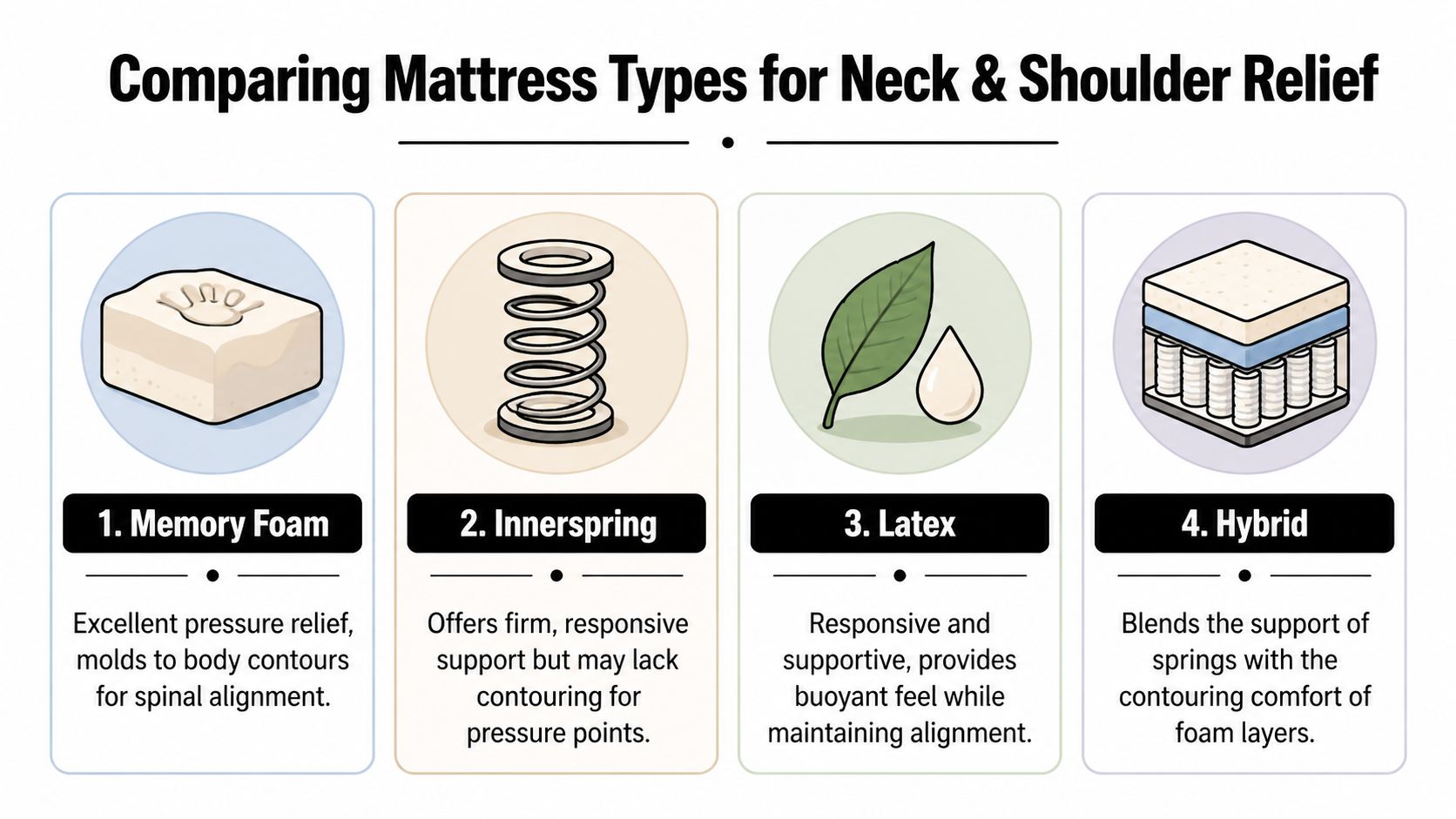
Firmness is only part of the story. Construction changes how that firmness feels. Two mattresses can both be called medium-firm and behave very differently once you lie down.
Memory foam
Memory foam is the pressure-relief specialist. It molds around the body's curves, which is why many people with tender shoulders love it.
Tempur-Pedic stands out here. According to Sleep Foundation’s review of mattresses for neck pain, Tempur-Pedic’s TEMPUR-Material is engineered to reduce peak shoulder pressures by 25 to 40 percent compared to conventional foams. Its slow-recovery, high-density feel helps stabilize the head, neck, and shoulders for more neutral alignment.
For shoppers dealing with sharp pressure at the shoulder, that deep contour can be a real advantage. Tempur-Pedic models such as the TEMPUR-Adapt are often a strong fit for people who want a close, cradling feel rather than bounce.
Hybrid mattresses
A hybrid blends foam or quilted comfort layers on top with a coil support core underneath. For many sleepers, this is the easiest category to get right because it offers both contour and pushback.
That matters if you want pressure relief but don't like feeling “stuck” in foam. It also matters in a mountain climate where airflow can affect comfort. Hybrids often sleep cooler and make movement easier during the night.
Sealy and Stearns & Foster are good examples of this balanced approach. Many hybrid builds give your shoulder enough cushioning while keeping the torso lifted and stable. If you sleep on your side and switch positions a lot, a hybrid is often a smart place to start. This guide to the best mattress for side sleepers can help you narrow that down further.
Innerspring and latex options
A traditional innerspring usually feels more buoyant and straightforward. It can be supportive, but some models don't offer enough surface contouring for people with sensitive shoulders. If the comfort layers are thin, pressure can build quickly.
Latex sits in an interesting middle ground. It tends to feel springier than memory foam, with a buoyant surface that supports without a deep hug. For some people, that's ideal because it relieves pressure without making position changes hard.
Sherwood can be worth a look if you want solid support and value, especially if you're trying to avoid an overly plush, sink-in feel.
Mattress type cheat sheet for neck and shoulder pain
| Mattress Type | Best For… | Key Feature for Pain Relief |
|---|---|---|
| Memory Foam | Sleepers who want deep contouring and pressure relief | Cradles the shoulder and helps stabilize the neck area |
| Hybrid | People who want support plus cushioning | Combines coil support with comfort layers for alignment and ease of movement |
| Innerspring | Sleepers who prefer a more responsive, traditional feel | Steady support, though contouring depends on the top layers |
| Latex | Those who want pressure relief with a buoyant surface | Supports alignment without the slow sink of memory foam |
If your pain is mostly pressure at the shoulder, memory foam often feels best first. If your pain comes with heat, movement, or “stuck” complaints, hybrids deserve a close look.
A Personal Buying Guide for Ruidoso Sleepers
The best mattress for neck and shoulder pain isn't one-size-fits-all. Sleep position changes the job your bed has to do. So does where you live.
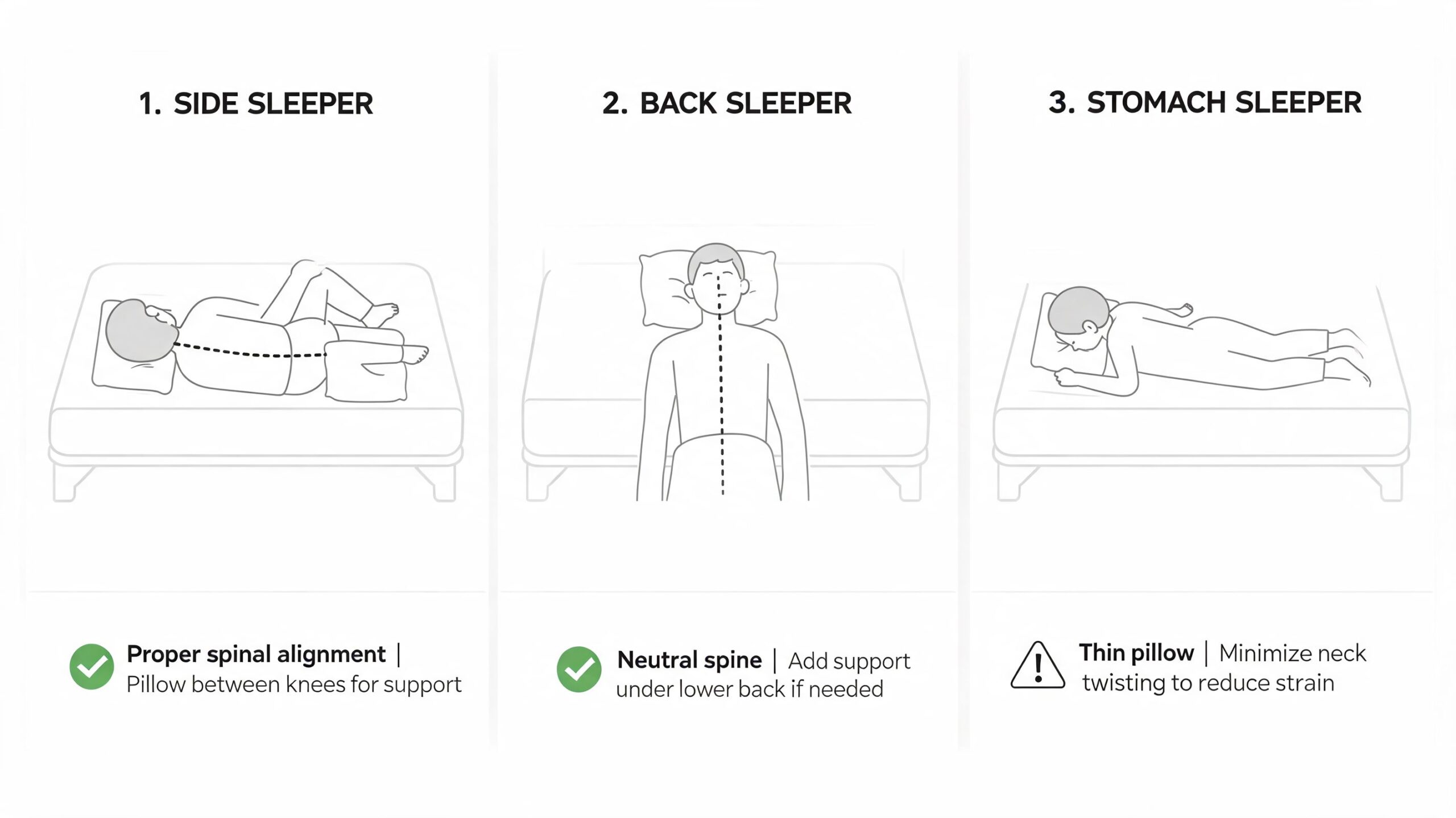
Match your mattress to your sleep position
Start with how you sleep, not how you wish you slept.
- If you're a side sleeper: Look for enough surface comfort to let the shoulder settle in. Medium-firm often works well, but the feel of the comfort layers matters just as much.
- If you're a back sleeper: Focus on a mattress that holds your torso level and doesn't let your shoulders hunch forward.
- If you're a stomach sleeper: Neck and shoulder strain are common in this position. If you can transition away from it, your mornings may improve.
Your build matters too. A lighter sleeper may need a mattress with easier pressure relief at the surface, while a heavier sleeper often needs stronger support underneath to avoid dipping too far through the middle.
Think about mountain climate too
National mattress lists rarely talk about how a local environment changes sleep. Around Ruidoso and Alto, that matters.
According to this high-altitude sleep discussion, living at 6,900+ feet can increase dehydration and muscle stiffness, and a breathable hybrid mattress with cooling gel foams can help enhance airflow and reduce heat retention. If you've ever gone to bed cool and still woken up feeling dry, tight, and restless, you know that comfort isn't just about softness.
A few practical takeaways for mountain sleepers:
- Choose breathable materials: Hybrid designs and cooling foams can help you stay comfortable through temperature swings.
- Watch heat retention: Dense foams feel wonderful for pressure relief, but some sleepers need extra cooling help.
- Think recovery, not just comfort: If you hike, work outdoors, ski, or stay physically active, your mattress should help your shoulders and upper back relax overnight.
If you're sorting through options by sleep style, body feel, and climate, this guide on how to choose a mattress can help you organize the decision.
The Miller Waldrop Difference Your Path to Pain-Free Sleep
Buying a mattress for pain relief shouldn't feel like a gamble. It should feel like getting good guidance from someone who listens, watches how your body rests, and helps you rule things out.
Why local guidance matters
A website can show specs. It can't watch your shoulder stay raised on one bed and relax on another. It can't ask where the pain starts, whether you sleep hot in dry air, or whether your neck gets worse on your cabin mattress than the one at home.
That's where local expertise changes the process. In Ruidoso, Alto, and across Lincoln County, people don't all sleep under the same conditions as shoppers in big-city reviews. Altitude, cooler nights, dry air, active days, and even guest-room use in vacation homes all affect what feels good after a week, not just after five minutes.
The right mattress fit is less about chasing hype and more about removing what aggravates your body every night.
How the buying risk gets removed
Pain shoppers often hesitate for a simple reason. They're afraid of choosing wrong. That fear makes sense, especially when you’ve already spent too many mornings with a stiff neck and aching shoulder.
The best local sleep stores reduce that risk in ways a boxed mattress on a doorstep can't. Look for three protections:
- A comfort policy: You need time to know if your body is improving.
- Price protection: It helps you shop with confidence instead of second-guessing.
- Professional setup: Proper support starts with proper installation.
An adjustable base can also play a useful role for some sleepers, especially those who read, recover, or deal with pressure sensitivity in the upper body. If that’s on your radar, this article on how adjustable bases can help alleviate 5 health concerns is worth a read.
A good mattress purchase is a partnership. The goal isn't to sell you the fanciest bed. It's to help you wake up with less strain and more ease.
Frequently Asked Questions About Your Sleep System
Can the right pillow matter as much as the mattress
Yes. For plenty of people with neck pain, the pillow is the piece that keeps the whole sleep system in or out of alignment.
Your mattress supports the body from the shoulders down. Your pillow fills the space between your head, neck, and the mattress. If that space is too full or too empty, your neck stays bent for hours. A supportive mattress cannot fully correct that.
The National Council on Aging’s neck pain mattress guide points out that pillows often affect neck pain more directly than the mattress. It also highlights guidance suggesting a higher loft pillow for many side sleepers and a thinner pillow for many back sleepers to help keep the spine in a straighter line.
That matters here in Lincoln County, where dry mountain air can leave muscles feeling tighter by morning, especially after a long hike, a day working outdoors, or hours driving mountain roads. If your shoulder is already irritated, even a small pillow-height mismatch can keep the neck and upper back from relaxing overnight.
That is why replacing a mattress without checking pillow fit can leave part of the problem behind. Our guide to choosing the perfect pillow can help you match pillow height to your sleep position.
Can a topper fix shoulder pain
Sometimes. A topper can soften a mattress surface that feels too firm at the shoulder, and that extra cushioning may reduce pressure points.
Still, a topper has limits. If the mattress underneath is sagging, sloping, or letting your torso sink too far, the shoulder and neck can still end up twisted out of line. In that case, the topper works like a thicker rug over an uneven floor. The surface feels softer, but the support problem is still underneath you.
A topper is usually most helpful when your mattress still feels even and supportive, but the top layer feels too hard for your build or sleep position.
When should you replace your mattress
Replace your mattress when it no longer gives you steady, even support night after night.
Common signs include visible body impressions, a hammock-like feel in the middle, recurring morning pain, or sleeping better in a hotel, guest room, or recliner than in your own bed. Those clues matter. They suggest your body is spending the night compensating instead of recovering.
Watch for the small workarounds too. Stacking pillows, folding blankets under one shoulder, or shifting into odd positions to get comfortable usually means your sleep setup is asking for help.
A simple check can tell you a lot. If you wake up stiff, loosen up after moving around, and notice that pattern over and over, your mattress and pillow deserve a closer look.
Ready to transform your sleep? Visit our Sleep Pros at Mattress Pro by Miller Waldrop, located at 2801 Sudderth Drive, Suite F, in Ruidoso. From Tempur-Pedic, Sealy, Stearns & Foster, and Sherwood to budget-friendly solutions, we’re here to help you wake up loving your mornings. Ask about the Comfort Promise, the Low Price Promise, and Full-Service Delivery with Professional Setup. Browse our collection online or stop by Monday through Saturday.