

What Is Mattress Protector: Why You Need One in 2026

A mattress protector is a removable layer of bedding that sits on top of or encases your mattress to shield it from spills, stains, allergens, and wear. Protectors have become a core part of modern sleep systems, with the global Bedding Protector and Mattress Protector market valued at USD 3,460 million in 2024 and projected to reach USD 5,500 million by 2035.
A lot of people in Ruidoso ask the same thing after a new bed arrives. They've picked out a beautiful Tempur-Pedic, Sealy, Stearns & Foster, or Sherwood mattress, the room looks great, and then one practical question shows up fast. How does that mattress stay clean, healthy, and in good shape in a mountain home with dry air, dust, and everyday life happening around it?
That's where a mattress protector stops being an add-on and starts being part of better sleep. In Lincoln County, bedrooms deal with dust, seasonal allergens, cabin traffic, pets, kids, and the normal moisture every sleeper brings to bed. A good protector helps keep all of that from settling into the mattress itself.
Your New Mattress Is an Investment Worth Protecting
A new mattress usually arrives with a mix of excitement and relief. A couple in Alto finally replaces the guest room bed. A family in Ruidoso upgrades to a premium Tempur-Pedic for better pressure relief. A homeowner near Sudderth Drive chooses a Stearns & Foster because the support feels right from the first minute.
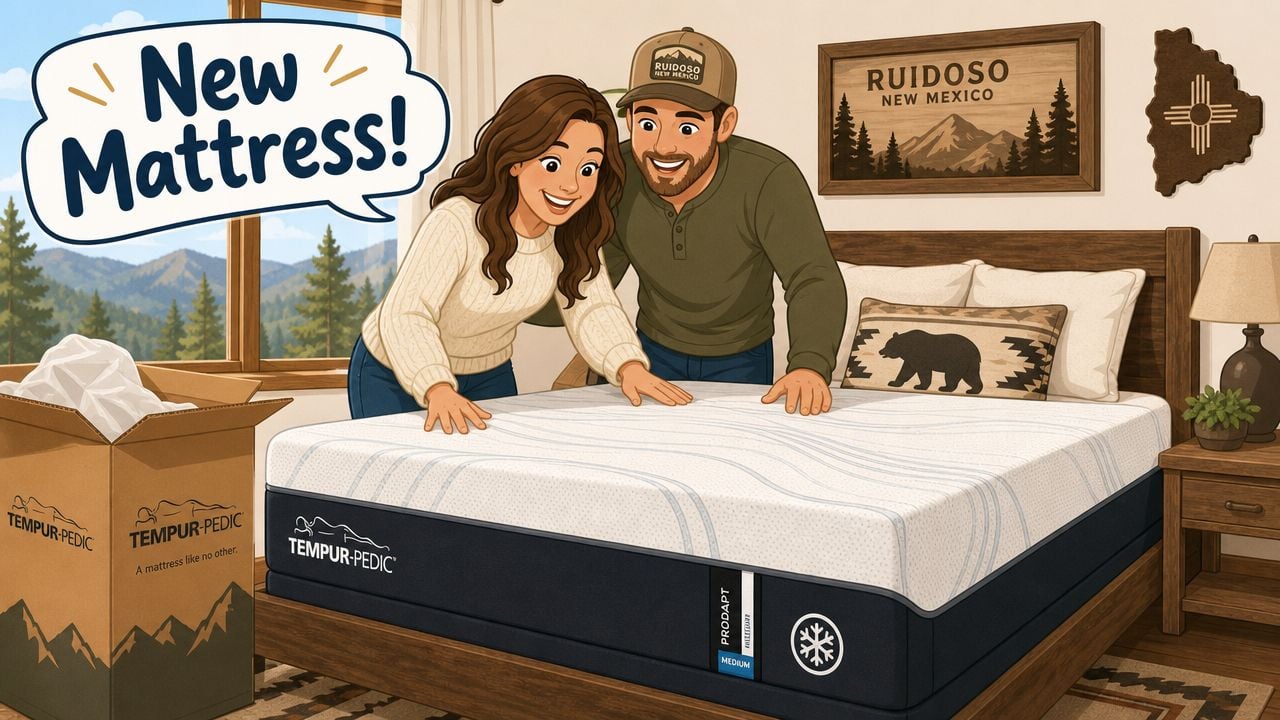
The next smart step is protection. A mattress protector isn't the same thing as a topper or a pad. A topper changes comfort. A protector preserves the mattress that's already been chosen.
Why this matters in a mountain home
Ruidoso's climate is beautiful, but it can be tough on sleep surfaces. Dry mountain air often carries dust, and cooler nights can make people layer bedding heavily, which means more trapped heat and moisture against the bed. Vacation properties and busy households add another layer of wear.
Practical rule: If a mattress is worth sleeping on every night, it's worth shielding from the first night.
That protection matters more now because protectors have moved into the mainstream. The global market for bedding protectors and mattress protectors was valued at USD 3,460 million in 2024 and is projected to reach USD 5,500 million by 2035, showing that they're now considered essential parts of modern sleep systems according to market data on bedding protector growth.
Families also want peace of mind. That's one reason many shoppers look into options like a mattress protection plan right alongside the mattress itself. It's the same logic as protecting any major home investment, except this one affects sleep, recovery, and daily comfort.
What a Mattress Protector Actually Does
A mattress protector works a lot like a well-made case on a phone. It doesn't replace the device, and it isn't there to change how the device works. It's there to keep the valuable thing underneath from being damaged by everyday life.
It creates a barrier, not a new feel
The main job is simple. A protector sits between the sleeper and the mattress so moisture, body oils, dust, and small accidents don't soak into the comfort layers.
That matters on premium beds because materials like memory foam and carefully built support layers are designed for pressure relief and spinal alignment. Once contaminants work their way inside, the mattress is much harder to keep fresh. A protector helps preserve the feel the shopper paid for in the first place.
A quality protector also shouldn't dramatically change comfort. If someone loves the contouring response of a Tempur-Pedic or the balanced support of a Sealy hybrid, the protector should protect that experience, not flatten it or make it noisy. A product like the Tempur-Protect mattress protector shows what shoppers are usually looking for: protection that works in the background.
Protector, pad, and topper aren't the same
People often mix these up, especially when shopping online.
- A mattress protector helps guard against spills, allergens, and wear.
- A mattress pad may add a little surface cushioning.
- A mattress topper is meant to change comfort more noticeably.
A simple way to think about it is this. A protector is for preservation, not correction.
That distinction matters because the wrong product solves the wrong problem. Someone trying to protect a new Stearns & Foster from stains needs a protector. Someone trying to soften a mattress surface needs a topper. Those are different jobs.
Comparing Mattress Protector Types and Materials
Not every protector suits every home. Some sleepers want simple spill protection. Others need more complete coverage for allergy control, guest rooms, or bed bug concerns. The best choice depends on how the bed is used and what the household needs most.
Fitted and encasement styles
A fitted protector covers the top and usually the sides of the mattress. It works much like a fitted sheet and is easy to remove for washing. For many homes in Ruidoso and Lincoln County, this is the most practical everyday option.
An encasement protector fully surrounds the mattress on all six sides and zips closed. That added coverage is often the better fit when someone wants fuller isolation from dust, allergens, or more intensive protection for a mattress in a guest cabin or rental.
Materials and feel
Modern waterproof protectors often use TPU, or thermoplastic polyurethane. This material is used because it can create a moisture barrier without the loud, plastic feel people remember from older protectors. Natural cotton options are also popular because they feel breathable and soft, which can help in dry mountain conditions where sleepers don't want the bed to feel stuffy.
Some households care just as much about chemical exposure as spill resistance. In that case, material details matter.
Many standard protectors rely on PFCs for waterproofing, but safer alternatives use TPU. GOTS-certified protectors go further, limiting the waterproof membrane to under 5% of the product and eliminating hazardous adhesives and flame retardants, as explained in this guide to safer waterproof mattress protectors.
Mattress Protector Types at a Glance
| Feature | Fitted (5-Sided) | Encasement (6-Sided) | Waterproof (TPU) | Natural Cotton |
|---|---|---|---|---|
| Coverage | Top and sides | Full mattress coverage | Depends on style | Depends on style |
| Best for | Everyday household use | Maximum barrier needs | Spills and moisture | Breathability and softer hand feel |
| Feel | Easy, familiar fit | More secure wraparound fit | Usually smooth and protective | Usually breathable and comfortable |
| Noise level | Often low | Often low if well made | Can be quiet in modern designs | Typically quiet |
| Good choice for | Most primary bedrooms | Allergy concerns, rentals, fuller protection | Kids, pets, beverages, accidents | Sleepers focused on airflow and materials |
A broader mattress buying guide can also help shoppers match the protector style to the mattress type underneath, especially when choosing between memory foam and hybrid designs.
Top Benefits for Your Health and Mattress Lifespan
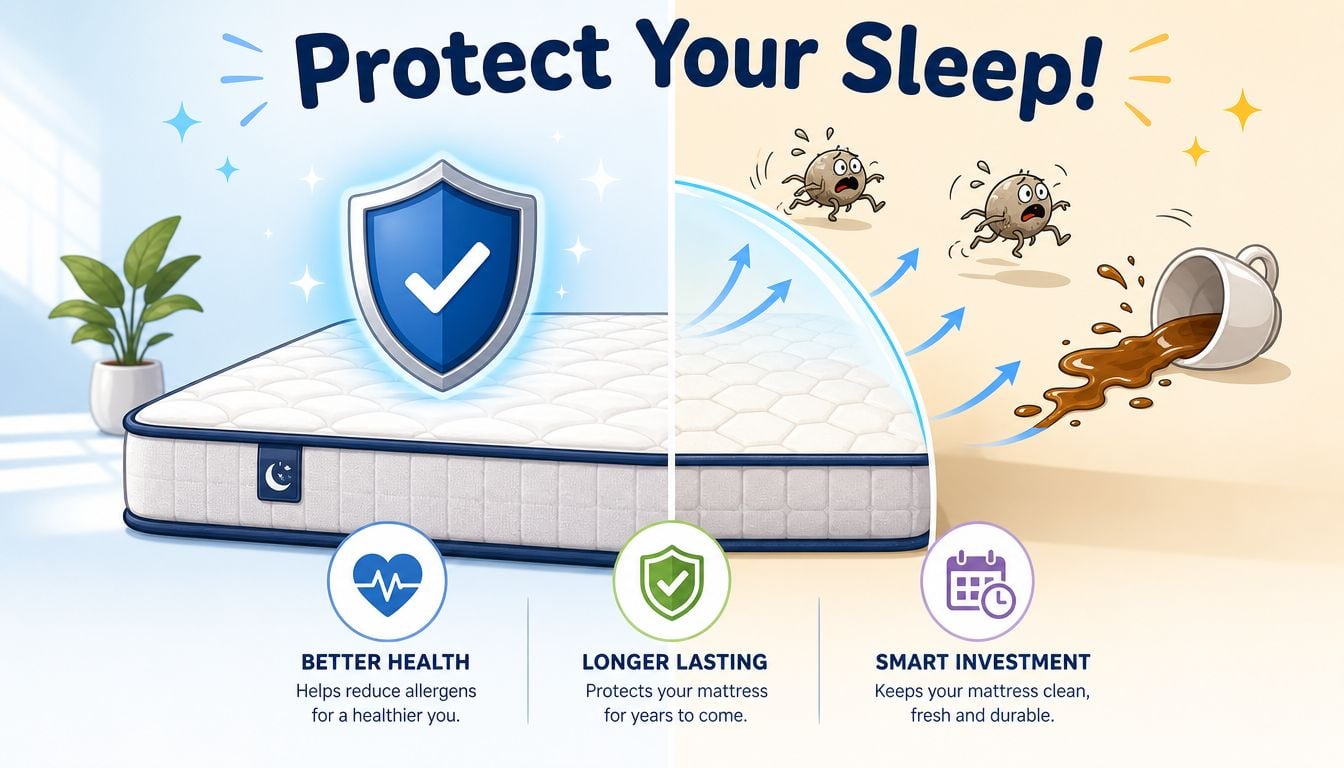
A mattress protector earns its keep in ways people usually notice only after they've gone without one. The benefits are practical, but they add up to something bigger. Cleaner sleep, less worry, and a mattress that stays in better shape.
What sleepers gain
Spill and stain defense
Morning coffee, a pet accident, a child climbing into bed with a snack, or plain nightly perspiration can all leave lasting damage if moisture reaches the mattress core.A cleaner allergy barrier
Mattress protectors can reduce the dust mite allergen load by more than 90%, which can improve sleep quality for people dealing with allergies or asthma, according to sleep guidance on dust mite protection.Better support preservation
Premium beds use carefully engineered materials. Memory foam is designed to contour around the shoulders and hips for pressure point relief. Hybrid systems use coils and comfort layers to support spinal alignment. Protectors help keep those internal components from taking on moisture and debris that can shorten the useful life of the mattress.A fresher sleep surface
In a place like Ruidoso, where dust can travel easily and windows are often opened for fresh mountain air, a removable washable layer makes daily sleep hygiene much easier.
A protector doesn't make a great mattress great. It helps a great mattress stay great.
Lifespan matters too
Some experts suggest that a mattress protector can add up to ten more years of use to a mattress by helping block sweat, bodily fluids, spills, and pet stains that can lead to wear, yellowing, and internal damage, as noted in this overview of mattress protector benefits.
That's why sleep health conversations shouldn't stop at the mattress itself. Good support and pressure relief matter, but so does keeping the sleep environment cleaner over time. For shoppers focused on the bigger picture, the Sleep Health & Wellness Lab is a useful place to keep learning about healthier rest.
How to Choose the Right Protector in Ruidoso
Choosing the right protector gets easier when the decision is narrowed to a few practical questions. What mattress is being protected, how warm does the sleeper run, and what kind of mess or exposure is most likely in that bedroom?
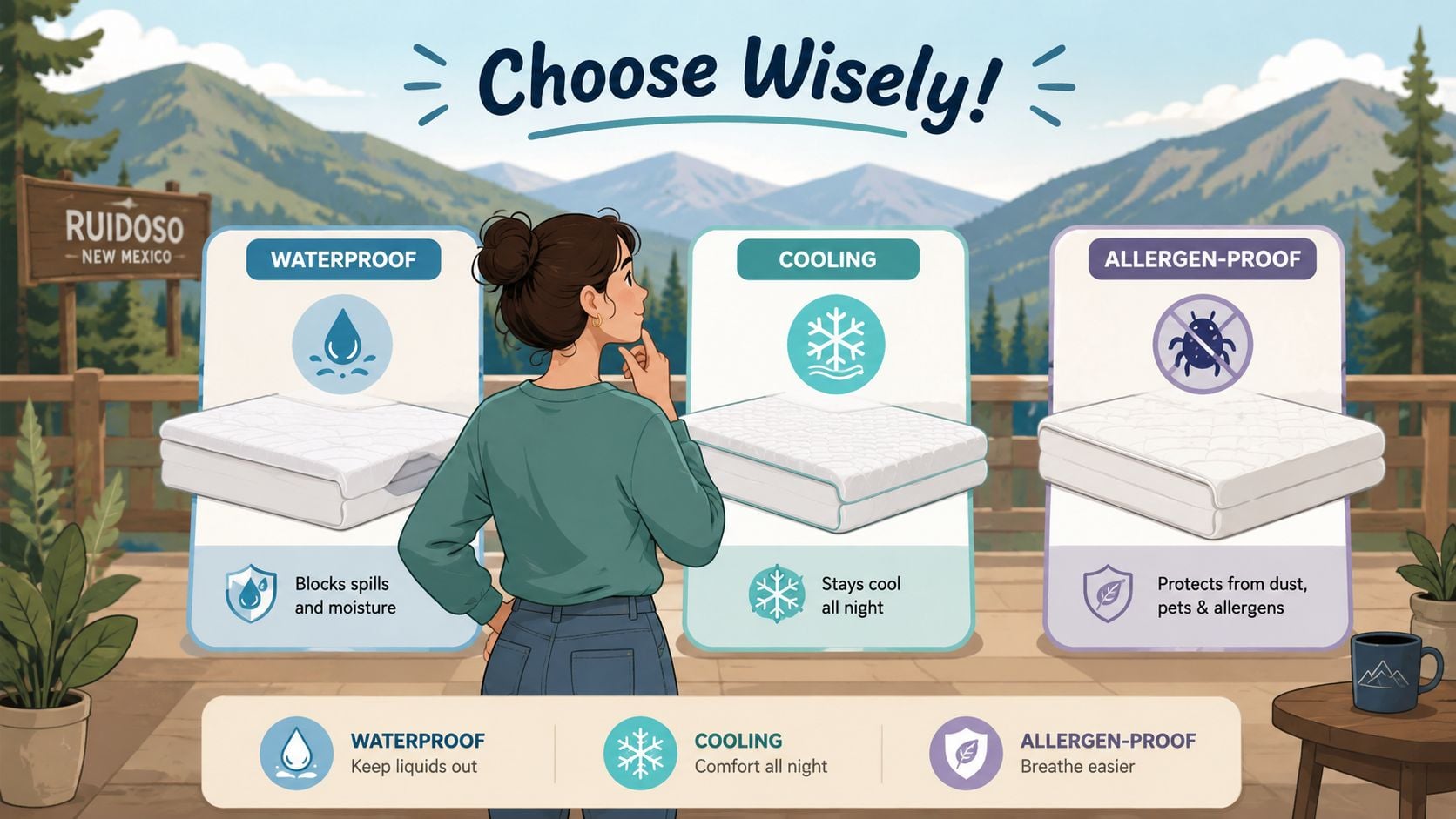
A simple local checklist
Start with exact size and depth
Today's premium mattresses can be tall. A protector needs the right pocket depth so it doesn't pull loose at the corners or bunch under the sheet.Match breathability to the sleeper
Ruidoso days can warm up, while mountain nights cool off fast. Many sleepers want a protector that blocks moisture but still allows airflow, especially on memory foam beds that already contour closely around the body.Check the waterproof layer
TPU is often the better modern choice for shoppers who want waterproofing without a plasticky feel.Look for cleaner material standards
Health-conscious families often want fewer questionable chemicals in the bed. That's especially important in children's rooms and guest spaces.
What usually confuses shoppers
A lot of people assume waterproof means hot, stiff, or noisy. That used to be a fair concern. It isn't the standard to settle for anymore. Better protectors are quieter and more breathable than the old crinkly versions many people remember.
Another common mistake is buying only for accidents. Even adults without pets or children still expose a mattress to sweat, skin oils, dust, and seasonal allergens. In Lincoln County, where homes often gather fine dust from the outdoors, that everyday barrier matters.
The best protector is the one that fits the mattress correctly, matches the sleeper's temperature needs, and gets washed often enough to stay useful.
If shoppers want to compare options in person, checking current store hours before visiting can make that process easier.
Simple Care to Keep Your Protector and Mattress Fresh
A protector only helps if it stays clean and intact. The good news is that care is usually simple.
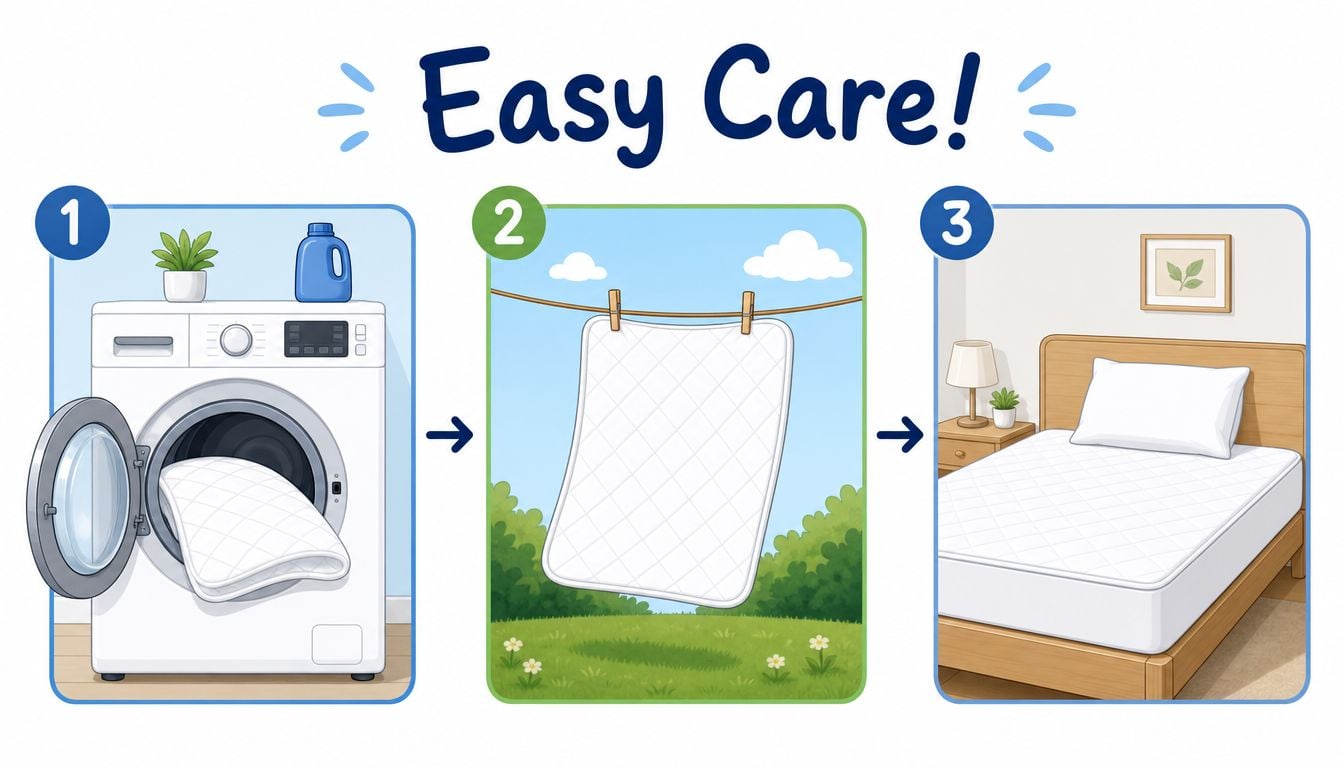
An easy routine that works
Wash it regularly
Many households wash the protector with the sheets or at least monthly. If there's a spill, pet issue, or illness, wash it sooner.Use a gentle cycle
Cold or warm water is usually the safest choice for preserving the fabric and any waterproof layer.Dry with care
Low heat is often the best option. High heat can be rough on waterproof membranes, so the label matters.
Small habits that help
Keep a second protector on hand if the home has children, pets, frequent guests, or a vacation rental schedule. That makes it much easier to swap one out and keep the mattress covered at all times.
Also, put the protector back on as soon as it's dry. A mattress left uncovered for long stretches in dusty mountain air loses one of the biggest health and cleanliness benefits the protector provides.
Frequently Asked Questions From Our Neighbors
Does a waterproof protector make a bed sleep hot
Usually, no. Modern protectors are made to be far more breathable and quieter than older plastic-feeling versions, so many sleepers don't notice much change in feel when the protector is well matched to the mattress.
Does someone still need one without kids or pets
Yes. Adults still bring sweat, body oils, dust, and allergens into bed every night. A protector helps keep those from working down into the mattress where they're hard to clean out.
Is a mattress protector the same as a topper
No. A protector is meant to shield the mattress. A topper is meant to change comfort, such as adding softness or extra cushioning.
What works best for incontinence or medical needs
A layered setup is often the most practical answer. For needs like incontinence, experts recommend a layered approach: a fully encasing, 100% waterproof zippered cover over the mattress, topped with a washable or disposable underpad for faster nighttime changes, according to guidance on mattress protection for incontinence care.
Is an encasement worth it for a guest room or cabin
It often is, especially if the mattress sees different guests over time or the room sits unused for stretches. The full wraparound design gives more complete coverage, which can be helpful in vacation properties around Ruidoso and Alto.
Ready to transform your sleep? Visit our Sleep Pros at Mattress Pro by Miller Waldrop, located at 2801 Sudderth Drive, Suite F, in Ruidoso. Backed by a 70-year family legacy, the team helps neighbors across Ruidoso, Alto, and Lincoln County find the right sleep solutions from Tempur-Pedic, Sealy, Stearns & Foster, and Sherwood. The Comfort Promise helps take away the fear of picking the wrong bed, the Low Price Promise protects value, and Full-Service Delivery with Professional Setup makes the process easy from start to finish. Browse the collection online or stop by Monday through Saturday.